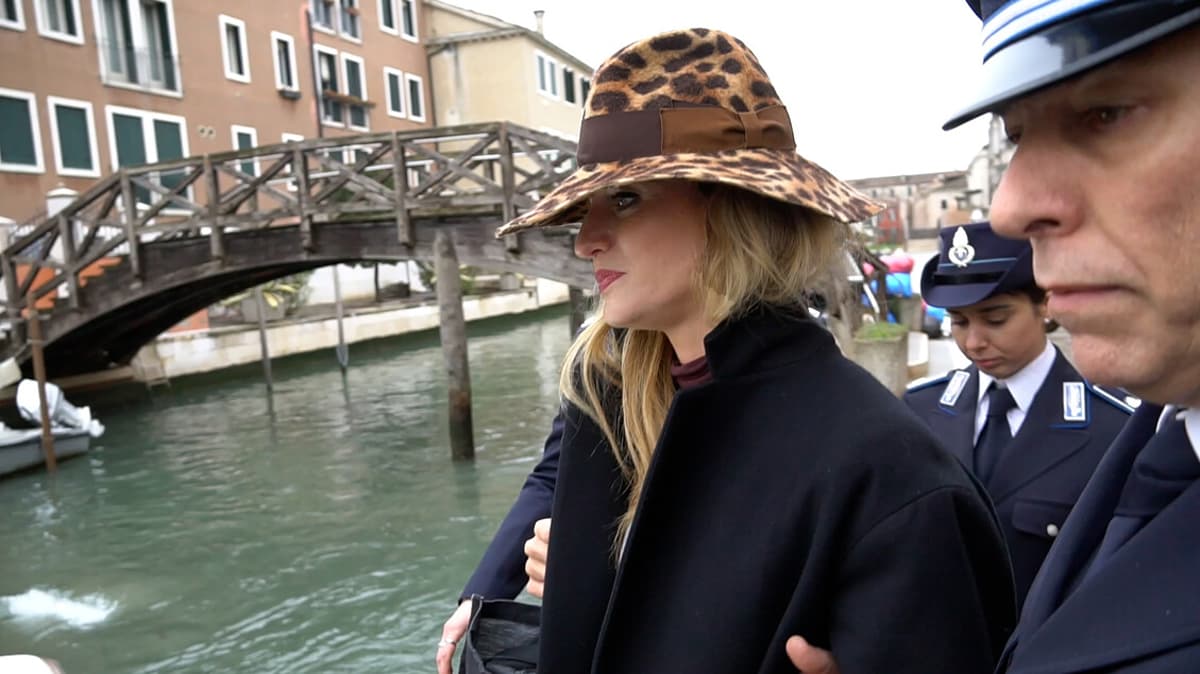
Over Objections Of Musicians And Staff, Beatrice Venezi Confirmed As Music Director Of La Fenice In Venice
•March 11, 2026
0
Why It Matters
The move underscores the growing politicization of Italy’s cultural institutions and could affect La Fenice’s artistic credibility and stakeholder relationships.
Key Takeaways
- •La Fenice appoints Beatrice Venezi as music director.
- •Orchestra protests claim political interference from Meloni’s government.
- •Venezi lacks prior major opera house conducting experience.
- •Culture minister defends appointment as historic female leadership.
- •Appointment may reshape Italy’s cultural‑political landscape.
Pulse Analysis
The appointment of Beatrice Venezi at La Fenice arrives amid a broader cultural shift driven by Prime Minister Giorgia Meloni’s government, which has pledged to dismantle what it calls a left‑wing cultural hegemony. Italy’s most iconic opera house, renowned for premieres ranging from Verdi to Puccini, now finds itself at the intersection of politics and art. By selecting a conductor with explicit political affiliations and limited operatic leadership experience, the state signals a willingness to embed its ideological agenda within historic cultural institutions, a strategy that mirrors similar moves across Europe’s right‑leaning administrations.
For La Fenice, the controversy threatens internal cohesion and external reputation. Musicians and staff have publicly decried the perceived interference, citing concerns over artistic standards and autonomy. Such dissent can translate into reduced morale, potential disruptions in rehearsals, and a cautious audience response, especially among patrons who value merit‑based appointments. Moreover, the theater’s programming choices may come under scrutiny, with critics watching for any overt political messaging in repertoire selection or staging decisions, potentially influencing ticket sales and donor confidence.
Internationally, the episode adds to a growing discourse on the balance between cultural patronage and political influence. While governments have historically supported the arts, contemporary observers warn that overtly partisan appointments risk eroding the perceived neutrality essential for artistic innovation. Stakeholders across the opera world are likely to monitor La Fenice’s upcoming season for signs of either artistic resilience or politicized direction. The outcome will inform how other institutions navigate the tension between governmental support and preserving independent artistic standards.
Over Objections Of Musicians And Staff, Beatrice Venezi Confirmed As Music Director Of La Fenice In Venice
0
Comments
Want to join the conversation?
Loading comments...