Why It Matters
The release leverages BBC’s archival assets to monetize Weller’s back‑catalog, illustrating how legacy acts can generate new revenue streams and sustain relevance in today’s streaming‑driven market.
Key Takeaways
- •Compilation spans BBC sessions from 2008‑2024
- •Features acoustic renditions of recent solo tracks
- •Includes eclectic covers from Billie Eilish to the Zombies
- •Highlights Weller’s continued relevance in live performance
- •Offers fans deeper look at post‑2000 catalog
Pulse Analysis
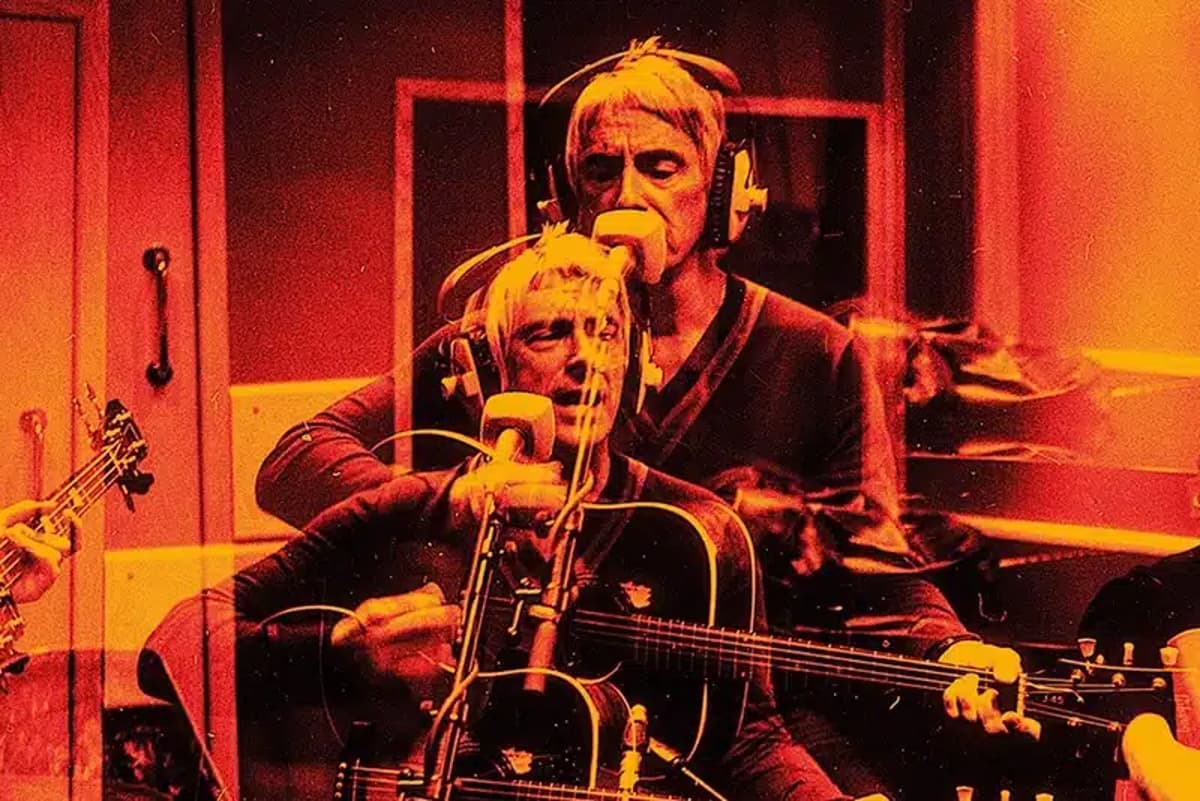
Paul Weller’s *Weller at the BBC, Vol. 2* arrives at a moment when legacy artists are increasingly turning to archival recordings to refresh their commercial portfolios. By curating fifteen years of BBC studio sessions, the compilation not only provides a high‑quality listening experience but also taps into the BBC’s extensive vault, a resource that many veteran musicians have yet to fully exploit. The album’s blend of stripped‑down acoustic takes, rousing rock numbers, and genre‑spanning covers demonstrates Weller’s adaptability, reinforcing his brand as a timeless yet forward‑looking songwriter.
From a business perspective, the release illustrates how catalog monetization can be amplified through strategic repackaging. Streaming platforms reward frequent additions to an artist’s discography, and a well‑timed live compilation can boost algorithmic placement, playlist inclusion, and royalty accrual. Moreover, the inclusion of contemporary covers—such as Billie Eilish’s “What Was I Made For”—creates cross‑generational appeal, potentially attracting younger listeners who discover Weller via curated playlists or algorithmic recommendations. Record labels and rights holders can thus leverage such projects to extend the revenue life cycle of existing recordings without the overhead of new studio sessions.
The broader industry trend points toward a resurgence of curated live archives, especially as fans seek authentic, intimate experiences that differ from polished studio releases. For artists like Weller, whose career spans multiple decades, these compilations serve both as a retrospective for longtime supporters and an entry point for new audiences. As the music market continues to prioritize streaming metrics and playlist culture, well‑produced live anthologies will likely become a staple in the commercial strategies of legacy musicians, ensuring that classic catalogs remain vibrant and financially viable.
Paul Weller’s New Live Compilation Is Dazzling
Comments
Want to join the conversation?
Loading comments...