Key Takeaways
- •OPVS NOVUM reimagines all ten A Requiem tracks with new artists
- •Guest contributors include Gazelle Twin, Julia Holter, and St. Etienne
- •Sequencing shift moves title track from eighth to fifth position
- •Reworks expand track lengths, adding ambient, drone, and dance elements
- •Album showcases Trappes' genre‑fluidity, boosting her experimental brand
Pulse Analysis
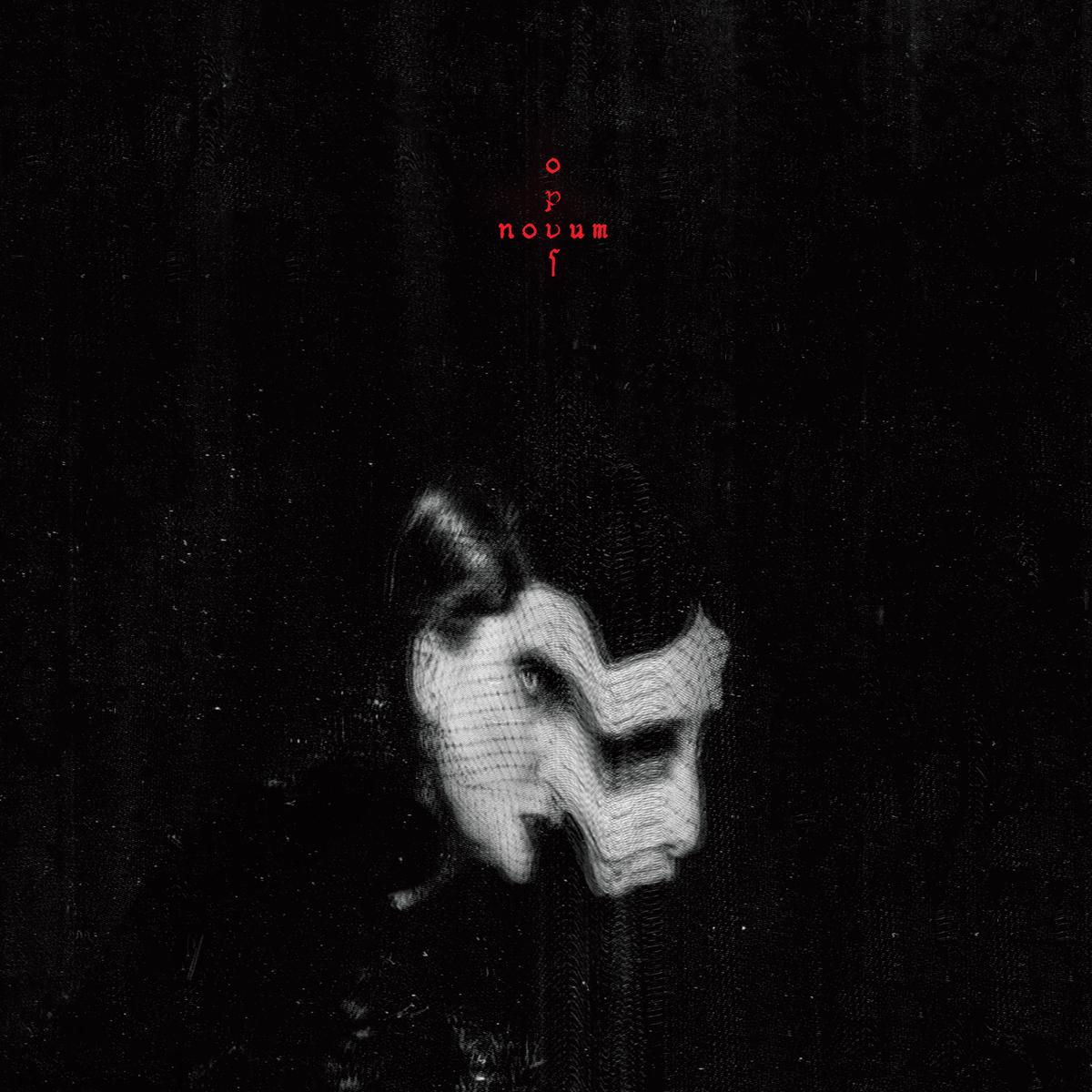
Rework albums have become a strategic tool for artists seeking to extend the lifecycle of their releases, and Penelope Trappes’ OPVS NOVUM exemplifies the approach. Known for her chameleon‑like ability to shift between piano, halldorophone, and gothic soundscapes, Trappes leverages a diverse set of collaborators to reinterpret each of the ten tracks from A Requiem. By repositioning the title track and inviting contributors such as Gazelle Twin, Julia Holter, and St. Etienne, the project creates a fresh listening experience that blurs genre boundaries while preserving the emotional core of the original compositions.
The rework’s experimental edge is evident in the expanded arrangements and genre‑bending textures. Sarahsson’s organ‑driven take on “Anchor Us to Seabed Floor,” Klara Lewis’s elongated string focus on “Bandorai,” and Gazelle Twin’s beat‑infused version of “Sleep” illustrate how each artist injects their signature style, turning ambient drones into dance‑floor moments. While the sequencing—moving the title track from eighth to fifth—draws criticism for disrupting flow, the varied sonic palette offers listeners a curated journey through ambient, electronic, and post‑rock territories, appealing to both existing fans and new audiences attracted to avant‑garde collaborations.
From a business perspective, OPVS NOVUM taps into the growing demand for niche, algorithm‑friendly content on streaming platforms. Collaborative reworks generate multiple metadata entries, increasing discoverability across playlists and boosting total stream counts. Moreover, the project reinforces Trappes’ brand as an experimental innovator, opening doors for future cross‑genre partnerships, licensing opportunities, and live reinterpretation tours. In an industry where catalog longevity is paramount, such reimagined releases provide a cost‑effective way to monetize existing material while expanding an artist’s cultural footprint.
Penelope Trappes ~ OPVS NOVUM: A Requiem Reworked
Comments
Want to join the conversation?