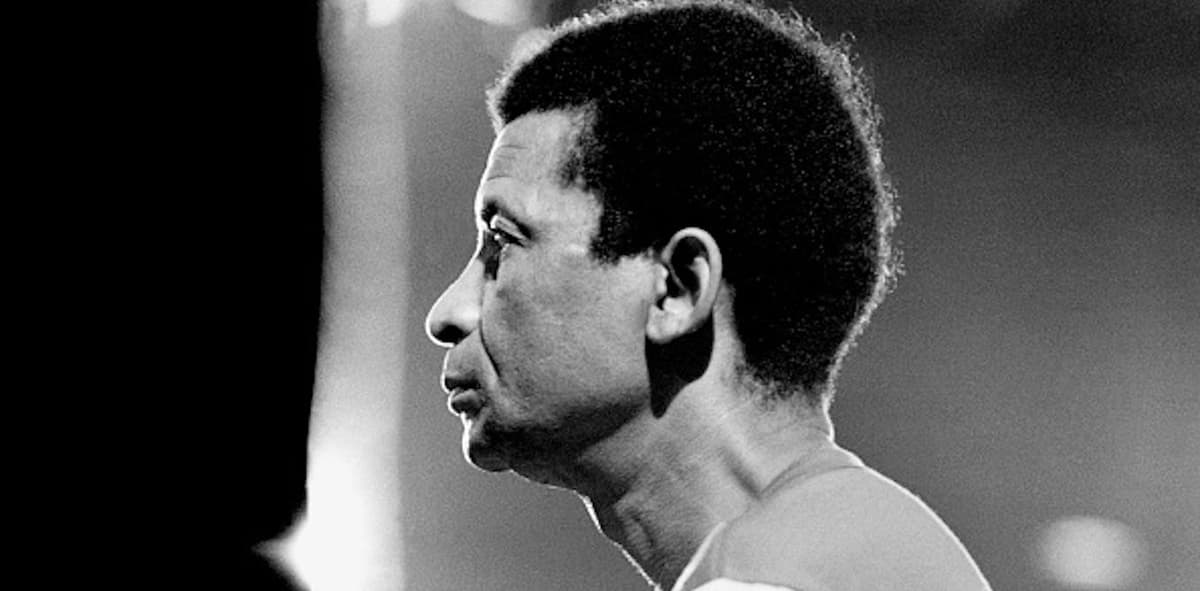
Pianist Abdullah Ibrahim Crafted a Magnificent New Culture for South Africa
Why It Matters
Ibrahim’s music provided a non‑violent, culturally resonant rallying point against apartheid and continues to shape South Africa’s artistic identity and global jazz discourse.
Key Takeaways
- •Mannenberg became South Africa’s most sold jazz album, anthem of resistance
- •Ibrahim collaborated with Duke Ellington, bridging African and American jazz
- •Founded Cape Town Jazz Orchestra, nurturing new generation of South African musicians
- •Performed at Mandela’s 1994 inauguration, hailed as ‘our Mozart’
- •2024 double album ‘3’ marks his final critically acclaimed recording
Pulse Analysis
Abdullah Ibrahim’s career illustrates how music can become a vehicle for political expression without overt slogans. By fusing bebop’s improvisational language with indigenous Cape sounds such as marabi, mbaqanga, and ticky draai, Ibrahim crafted a hybrid style that resonated with both local audiences and international jazz circuits. This cross‑cultural synthesis not only earned him collaborations with legends like Duke Ellington but also turned his compositions into covert protest tools, most famously "Mannenberg," which circulated at anti‑apartheid rallies and became a sonic emblem of resistance.
The pianist’s return to South Africa after the fall of apartheid reinforced his role as a cultural architect. Performing at Nelson Mandela’s 1994 inauguration, he was dubbed “our Mozart,” symbolizing the nation’s artistic rebirth. His establishment of the Cape Town Jazz Orchestra and a music academy created institutional pathways for emerging South African artists, ensuring that the improvisational spirit he championed would persist beyond his own recordings. These initiatives have helped embed jazz within the country’s educational framework, fostering a new generation that can both honor tradition and innovate.
Ibrahim’s final release, the double album "3," received universal acclaim, confirming his relevance in a contemporary jazz landscape that increasingly values authenticity and historical depth. Critics note that the album’s expansive arrangements echo the same blend of global and local influences that defined his earlier work, proving that his artistic vision remains vital. For investors, cultural policymakers, and music industry stakeholders, Ibrahim’s legacy underscores the economic and social capital embedded in culturally resonant art forms, illustrating how a single artist can shape national identity while generating lasting commercial and diplomatic value.
Pianist Abdullah Ibrahim crafted a magnificent new culture for South Africa
Comments
Want to join the conversation?
Loading comments...