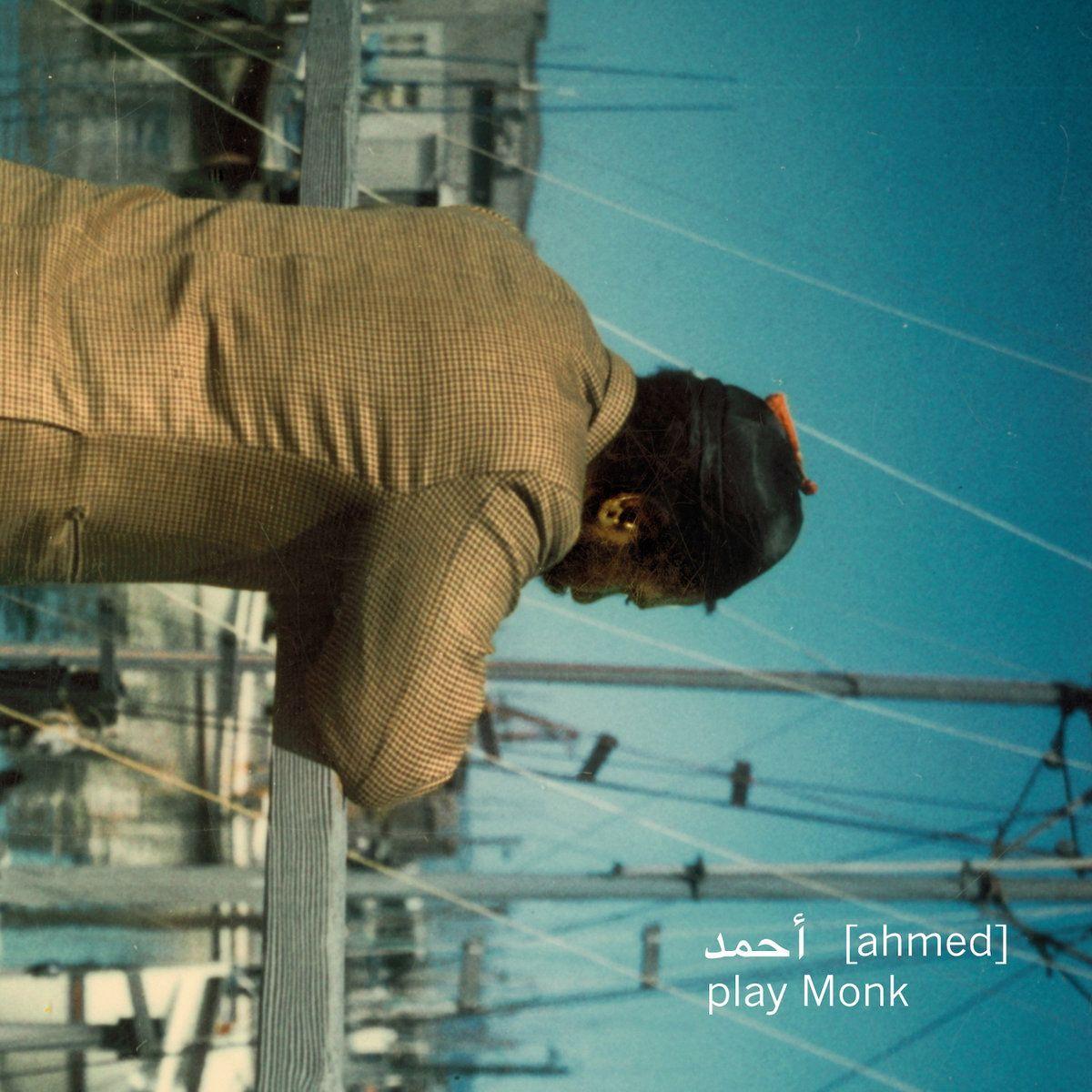
Why It Matters
The album demonstrates how iconic jazz standards can be a launchpad for boundary‑pushing innovation, signaling a fresh direction for contemporary improvisational music and attracting listeners beyond traditional jazz circles.
Key Takeaways
- •Quartet abandons rehearsals, plays in lockstep improvisation
- •Album reimagines Monk, extending tracks up to 25 minutes
- •Fusion of Middle Eastern influences with classic bebop structures
- •“Round Midnight” transforms into experimental soundscape beyond traditional jazz
- •Review highlights shift of free‑jazz into new orthodoxy
Pulse Analysis
Play Monk’s latest release marks a pivotal moment for a European quartet known for its relentless, rehearsal‑free synergy. Led by pianist Pat Thomas and anchored by bassist Joel Grip, the group has spent over a decade refining a collective language that blends repetition, angularity, and a kinetic energy drawn from Ahmed Abdul‑Malik’s Middle‑Eastern jazz experiments. Their tight‑rope walk between structure and spontaneity allows them to navigate complex compositions without traditional solos, creating a unified, almost telepathic performance style that feels both disciplined and wildly free.
By turning to Thelonious Monk—second only to Duke Ellington in recorded jazz history—the quartet uses a familiar framework to launch into uncharted territory. Tracks like “Bye‑Ya” begin with a recognizable swing before morphing into a Burroughs‑style cut‑up, while the 25‑minute rendition of “Round Midnight” deconstructs the standard into a dark‑matter‑like vortex of sound. The saxophonist’s cubist phrasing and the drummer’s tumbao‑esque undercurrents illustrate how the group reimagines Monk’s harmonic quirks as a canvas for avant‑garde exploration, delivering a listening experience that feels both reverent and revolutionary.
The broader implication is a redefinition of what modern jazz can encompass. As free‑jazz orthodoxy gives way to new experimental norms, Play Monk’s daring reinterpretations signal a market appetite for boundary‑pushing projects that blend cultural influences with classic repertoire. This album not only honors Monk’s legacy but also positions the quartet as a catalyst for future cross‑genre collaborations, suggesting that the next wave of jazz innovation will emerge from collective improvisation that defies rehearsal, genre, and expectation.
Play Monk
Comments
Want to join the conversation?
Loading comments...