Why It Matters
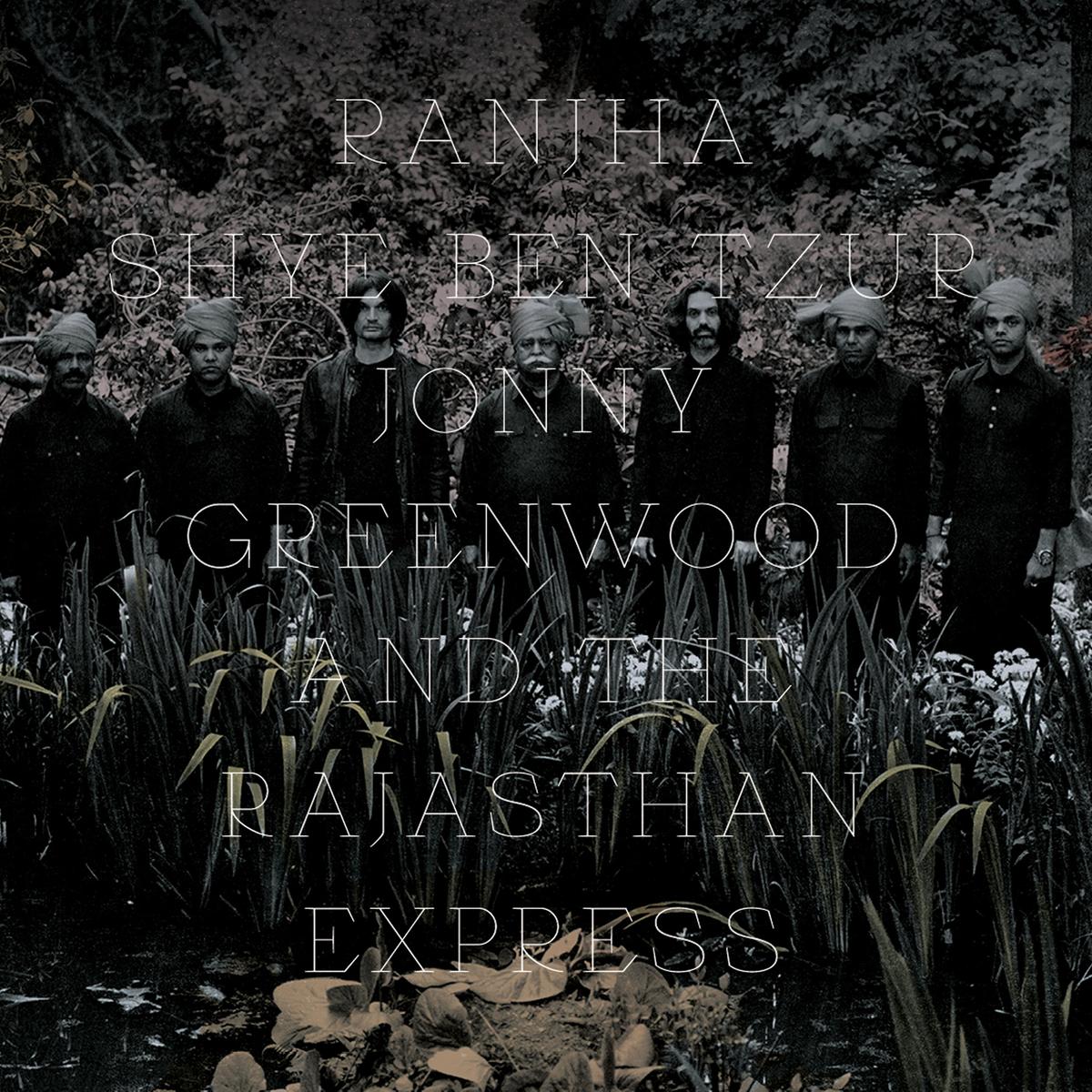
The album showcases a high‑profile cross‑cultural partnership that pushes genre boundaries, highlighting the commercial and artistic potential of East‑West musical fusion in the global streaming era.
Key Takeaways
- •Ranjha blends Sufi qawwali with Western experimental rock
- •Recorded in Jonny Greenwood’s Oxford studio, contrasting Junun’s fort setting
- •Features Tom Skinner’s textured drumming and Rajendra Prasanna’s shehnai
- •Lyrics draw from Bulleh Shah’s 18th‑century Punjabi poetry
- •Ben Tzur avoids Western chord imposition, preserving Hindustani modal structures
Pulse Analysis
*Ranjha* arrives at a moment when listeners increasingly seek immersive, multicultural soundscapes. By pairing Shye Ben Tzur’s deep grounding in Sufi mysticism with Jonny Greenwood’s avant‑rock sensibility, the album taps into a growing appetite for music that transcends geographic borders. The collaboration also underscores a broader industry trend: major Western artists are turning to authentic regional talent rather than merely sampling exotic sounds, a shift that enhances credibility and opens new market segments in South‑Asian diaspora communities.
The production choices on *Ranjha* illustrate how environment shapes sonic character. Moving from the sun‑baked Mehrangarh Fort of *Junun* to the controlled acoustics of Greenwood’s Oxford studio allowed the percussion to gain spatial definition, giving Tom Skinner’s drums a tactile presence that complements traditional instruments like the nagara and dholak. This contrast demonstrates how modern recording technology can preserve the raw energy of live Indian performances while delivering the polish expected by streaming platforms.
Beyond artistic merit, *Ranjha* signals commercial viability for hybrid projects. Streaming data shows playlists that blend world, ambient, and indie rock genres outperform niche lists, suggesting that albums like this can capture diverse listener bases and generate higher royalty yields. Moreover, the respectful integration of Hindustani modal grammar—avoiding forced Western chord progressions—sets a precedent for future collaborations, encouraging artists to prioritize cultural authenticity while still reaching global audiences.
Ranjha
Comments
Want to join the conversation?
Loading comments...