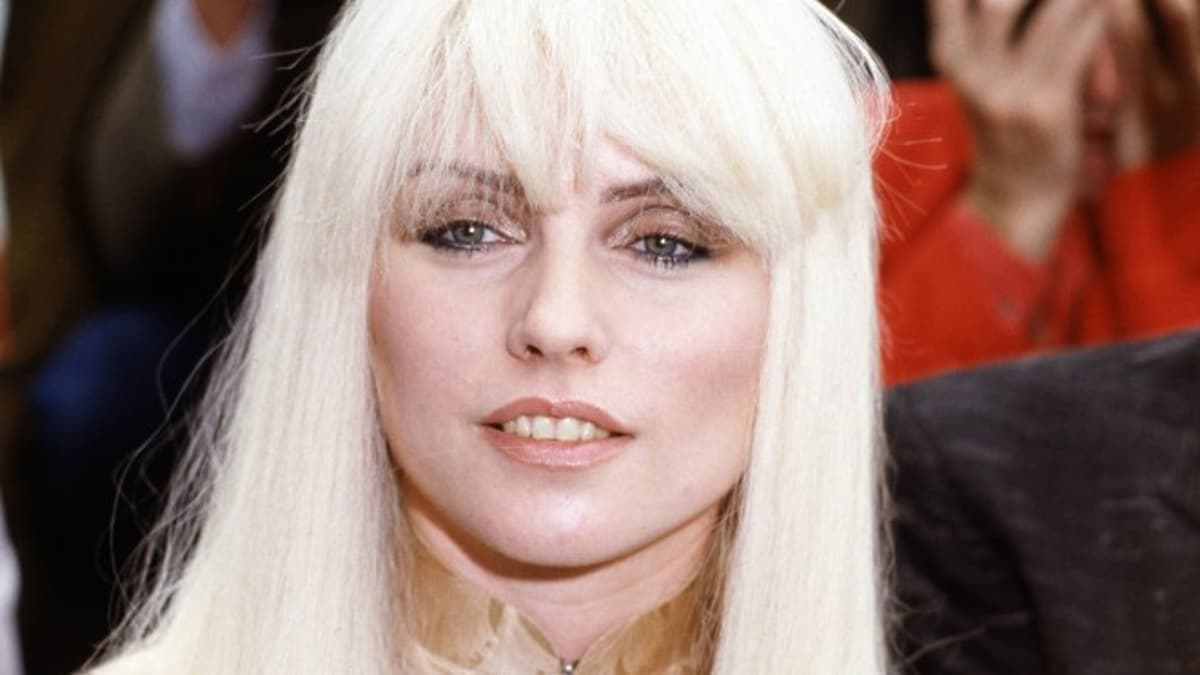
Remember When Blondie Bridged the Gap Between Hip-Hop and New Wave in 1981?
Why It Matters
Blondie’s crossover proved rap could thrive in mainstream pop, opening doors for future genre hybrids and expanding MTV’s programming scope. The success signaled a cultural shift that helped legitimize hip‑hop as a commercial force.
Key Takeaways
- •Rapture hit #1 on Billboard Hot 100 in 1981.
- •First rap video aired on MTV, breaking genre barriers.
- •Blondie's blend of new wave, disco, and rap set crossover precedent.
- •Song charted across pop, R&B, and rock categories.
- •Debbie Harry referenced early hip‑hop pioneers in lyrics.
Pulse Analysis
When MTV launched in 1981, the music video landscape was dominated by rock and pop acts, while hip‑hop was still an underground movement. Blondie, already a new‑wave powerhouse, seized the moment by integrating a spoken‑word rap segment into “Rapture,” bridging two disparate audiences. This bold experiment reflected a broader industry trend of genre experimentation, as record labels sought fresh sounds to capture a diversifying youth market. By referencing early DJs, Debbie Harry not only paid homage but also introduced mainstream listeners to the nascent hip‑hop culture.
“Rapture” quickly ascended the charts, reaching No. 1 on the Billboard Hot 100 and securing top‑five placement in the United Kingdom. Its crossover appeal was evident in its simultaneous presence on the Hot R&B/Hip‑Hop Songs and Mainstream Rock charts, a rare feat for a single at the time. The accompanying video, featuring the band’s iconic performance and the rap interlude, earned the distinction of being MTV’s first rap‑oriented video, signaling the network’s willingness to broaden its musical palette. This exposure amplified rap’s visibility and validated its commercial viability.
The legacy of “Rapture” endures in today’s pop‑rap collaborations, where artists routinely blend melodic hooks with rap verses. Blondie’s pioneering move demonstrated that genre boundaries are permeable, encouraging subsequent acts—from Run‑D.M.C. with Aerosmith to contemporary pop stars—to experiment with hybrid sounds. The song’s historic chart performance and MTV milestone underscore its role as a catalyst for hip‑hop’s mainstream breakthrough, shaping the musical landscape for decades to come.
Remember When Blondie Bridged the Gap Between Hip-Hop and New Wave in 1981?
Comments
Want to join the conversation?
Loading comments...