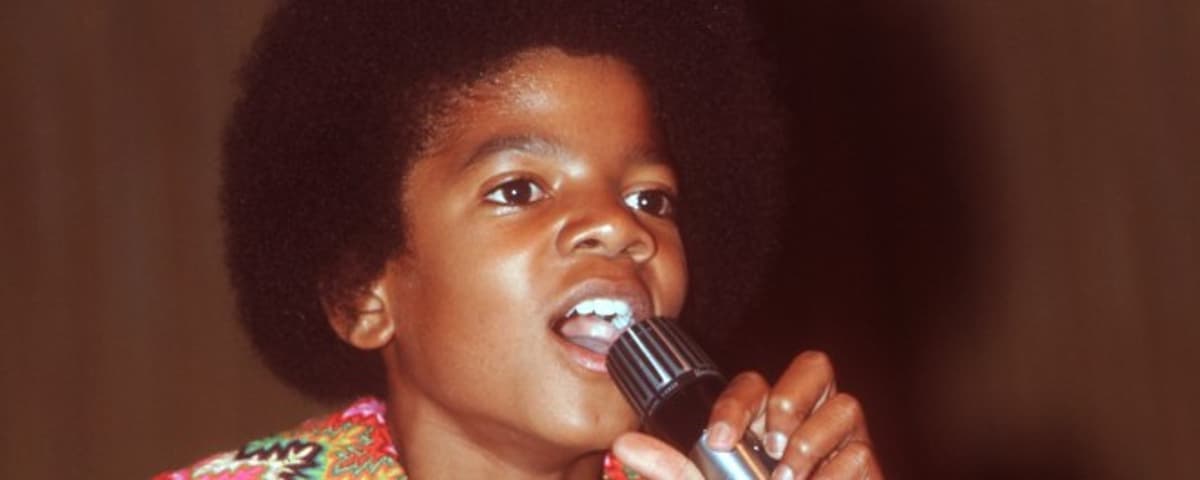
Remember When Michael Jackson Released His First Solo Single in 1972?
Why It Matters
Jackson’s teenage solo success proved that a young artist could dominate both group and individual charts, reshaping talent‑development models for major labels. It also established a brand foundation that powered his later multimillion‑dollar ventures and set a template for future pop superstars.
Key Takeaways
- •Jackson released solo debut ‘Got To Be There’ at age 13 (1972)
- •Song reached Top 5 on Billboard Hot 100, launching solo career
- •Follow‑up ‘Rockin’ Robin’ also hit Top 5, confirming teen appeal
- •Early solo success ran parallel with Jackson 5, showing dual‑market strategy
- •Jackson’s teen hits set stage for 1979 ‘Don’t Stop…’ breakthrough
Pulse Analysis
When Motown introduced Michael Jackson as a solo act in 1972, the label was testing a bold strategy: market a ten‑year‑old as both a group member and an independent star. The success of “Got To Be There,” which entered the Top 5, demonstrated that teenage soloists could generate significant radio play and sales, encouraging other labels to invest in youth‑centric pop acts. This move also diversified revenue streams, allowing Motown to monetize Jackson’s brand across multiple product lines, from singles to television appearances.
Jackson’s early solo chart performance created a powerful personal brand that outlasted The Jackson 5. By delivering back‑to‑back Top 5 hits, he proved his marketability independent of the family group, giving him leverage in contract negotiations and tour billing. The dual‑market approach amplified merchandising opportunities, from teen‑oriented apparel to concert tickets, and set a precedent for later artists like Britney Spears and Justin Bieber, who similarly balanced group and solo projects. Industry analysts cite this period as a turning point in how record companies nurture and monetize young talent.
The momentum from Jackson’s teenage releases fed directly into his 1979 breakthrough with “Don’t Stop ’Til You Get Enough,” and ultimately the 1982 Thriller phenomenon, which remains one of the best‑selling albums in history. Early solo successes provided the confidence and financial backing needed for ambitious production budgets and innovative music videos. For today’s executives, Jackson’s trajectory underscores the long‑term value of investing in multi‑platform artist development, where early hits can evolve into cultural milestones that drive sustained profitability.
Remember When Michael Jackson Released His First Solo Single in 1972?
Comments
Want to join the conversation?
Loading comments...