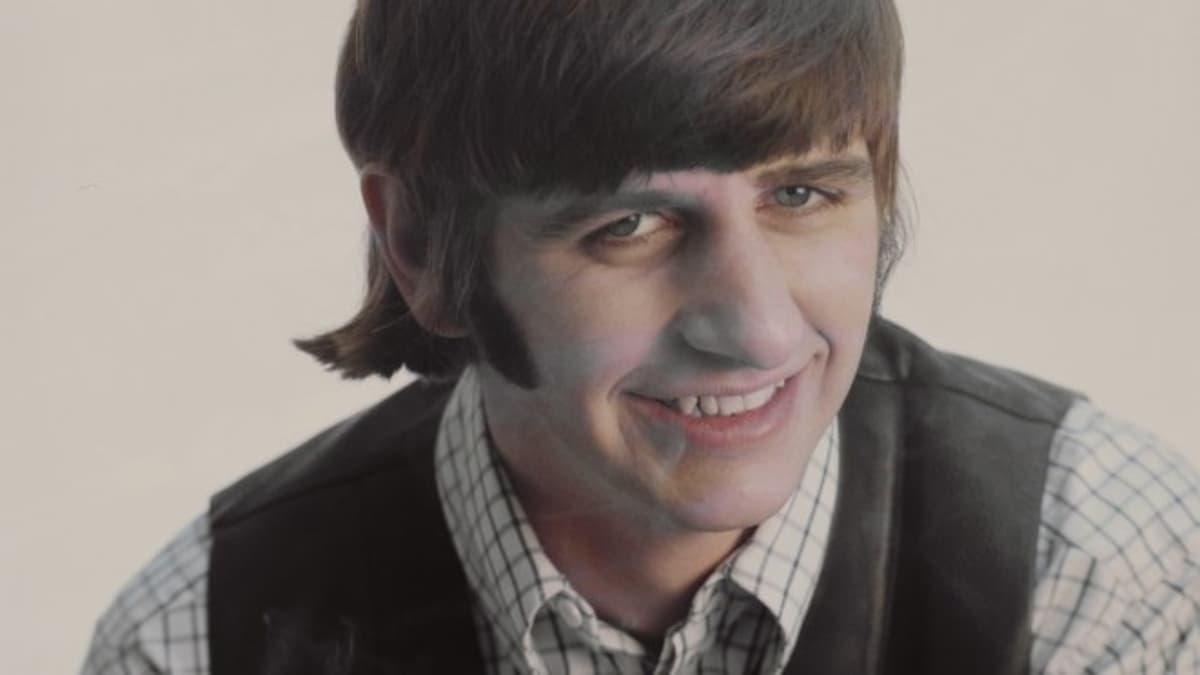
Remembering When Ringo Starr Got His First Songwriting Credit With The Beatles in 1965
Why It Matters
Starr’s credit showed the Beatles could expand songwriting beyond the Lennon‑McCartney core, boosting his artistic credibility and influencing the band’s later openness to diverse creative voices.
Key Takeaways
- •“What Goes On” credited to Lennon/McCartney/Starkey in 1965
- •Song revived from 1963 Lennon demo for Rubber Soul
- •Starr added only a few lines but earned full credit
- •Credit led to “Don’t Pass Me By” and “Octopus’s Garden.”
- •Showed Beatles could share songwriting beyond Lennon‑McCartney
Pulse Analysis
The Beatles’ catalog is often synonymous with the Lennon‑McCartney partnership, a duo that defined 1960s pop songwriting. Yet the group’s internal dynamics allowed occasional contributions from other members, most notably drummer Ringo Starr. While his vocal performances were a staple on many albums, his compositional voice remained largely dormant until the mid‑sixties, when the band’s evolving studio experimentation created space for peripheral ideas to surface.
“What Goes On,” featured on the 1965 Rubber Soul, illustrates that shift. Originally a modest Lennon sketch from 1963, the track was resurrected during the album’s sessions, with McCartney polishing the arrangement and handing it to Starr for vocal delivery. Starr’s input—adding a handful of lyrical lines and rhythmic nuances—was deemed sufficient for a full songwriting credit, resulting in the rare Lennon/McCartney/Starkey attribution. The song’s loose, blues‑y feel and off‑hand production mirrored the album’s experimental ethos, underscoring how even peripheral contributions could enrich the Beatles’ sonic palette.
Starr’s inaugural credit had ripple effects beyond a single track. It validated his creative potential, leading to original compositions like “Don’t Pass Me By” on the White Album and the whimsical “Octopus’s Garden” on Abbey Road. More broadly, the acknowledgment signaled the band’s willingness to democratize authorship, a subtle but important departure from the dominant Lennon‑McCartney narrative. This openness not only diversified the group’s output but also set a precedent for later solo ventures, where each Beatle would leverage their newfound songwriting confidence to shape post‑Beatles music and legacy.
Remembering When Ringo Starr Got His First Songwriting Credit With The Beatles in 1965
Comments
Want to join the conversation?
Loading comments...