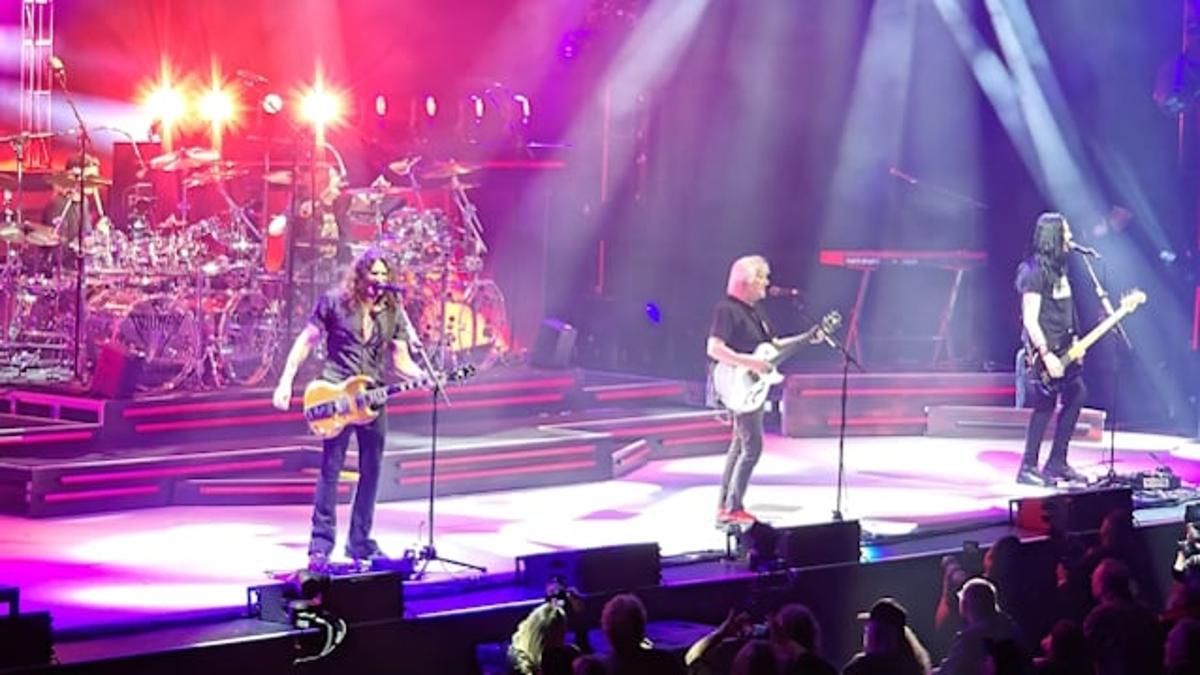
RIK EMMETT On TRIUMPH's Recently Launched Reunion Tour: 'Every Night It Gets Better. It Just Keeps Resonating And Growing'
Companies Mentioned
Why It Matters
Triumph’s comeback taps the lucrative legacy‑act market, proving classic‑rock catalogues can still drive ticket revenue and engage three‑generation audiences. It also highlights how veteran bands adapt line‑ups and production to meet modern fan expectations while preserving authenticity.
Key Takeaways
- •Triumph launches 2026 North American tour, first in 30 years
- •Original members Emmett, Moore joined by Phil X, Brent Fitz, Todd Kerns
- •Mike Levine sits out most dates due to hand injury
- •Tour celebrates Triumph's 50th anniversary across 27 US/Canadian cities
- •Management ensures legacy respects fans, avoiding cheesy rehash
Pulse Analysis
Legacy tours have become a cornerstone of the live‑music economy, and Triumph’s 2026 reunion is a textbook example. After a 30‑year hiatus, the band is capitalizing on a wave of nostalgia that spans baby boomers to Gen Z, many of whom are discovering classic‑rock through streaming platforms. By aligning the tour with the band’s 50th anniversary and promoting multi‑generational ticket packages, Triumph taps into a market where fans are willing to pay premium prices for authentic, high‑production experiences that echo the arena spectacles of the 1980s.
The revamped line‑up blends original talent with younger, high‑profile musicians, a strategy that mitigates the physical limitations of aging performers while injecting fresh energy. Phil X, known for his work with Bon Jovi, and Brent Fitz and Todd Kerns from Slash’s ensemble, provide a "safety net" that allows Emmett and Moore to focus on vocals and stage presence. This hybrid approach satisfies purists seeking the classic sound and newer fans drawn to the virtuosity of the supporting players, reinforcing the tour’s credibility and broadening its appeal.
Industry analysts view Triumph’s comeback as part of a broader trend where legacy acts leverage seasoned management firms—like Vector’s Jason Murray—to balance reverence for the past with contemporary production values. By avoiding a "jukebox" feel and emphasizing tasteful, class‑driven staging, the band sets a benchmark for other classic‑rock groups contemplating similar returns. The tour’s success could signal increased booking confidence for heritage artists, encouraging promoters to allocate larger venues and premium pricing structures, ultimately reshaping the economics of touring in the post‑pandemic era.
RIK EMMETT On TRIUMPH's Recently Launched Reunion Tour: 'Every Night It Gets Better. It Just Keeps Resonating And Growing'
Comments
Want to join the conversation?
Loading comments...