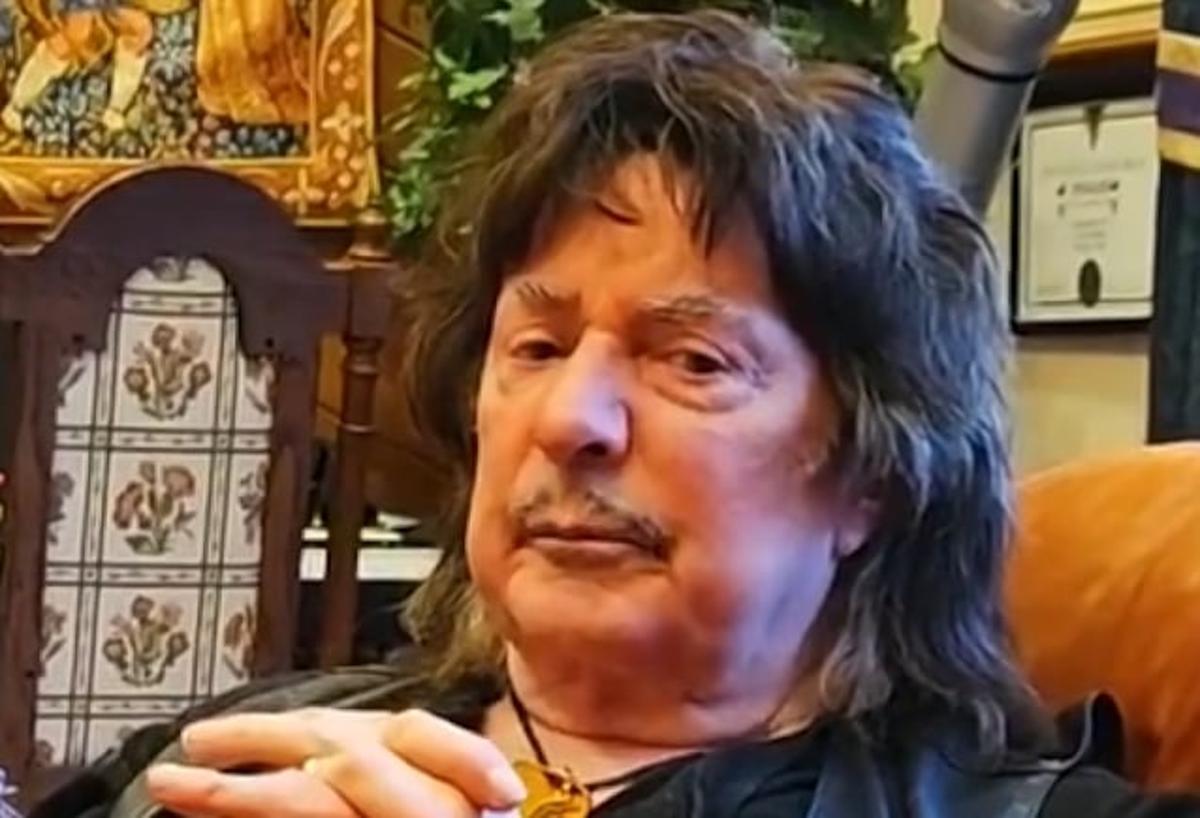
RITCHIE BLACKMORE: 'Most Guitar Players Aren't Nice People'
Why It Matters
Blackmore’s candid health disclosure signals the growing reality that legacy rock acts must balance touring ambitions with aging‑related constraints, affecting ticket revenue and fan engagement. His reflections also reinforce his lasting impact on classic‑rock guitar culture.
Key Takeaways
- •Blackmore livestreamed birthday Q&A from Long Island
- •He called Tommy Bolin a rare, genuinely nice guitarist
- •Tour canceled after back, migraine, and heart‑stent issues
- •Blackmore still in touch with Ian Paice and Ian Gillan
- •Blackmore’s Night blends Renaissance music with rock elements
Pulse Analysis
Ritchie Blackmore, the iconic guitarist behind Deep Purple’s "Smoke on the Water" and Rainbow’s neo‑classical sound, turned 81 on April 14 and chose an Instagram livestream to celebrate. The hour‑long session, hosted by his wife Candice Night, offered fans a rare glimpse into the legend’s personal life, from his admiration of former Deep Purple guitarist Tommy Bolin to his candid assessment of his own health. By sharing anecdotes about string‑changing habits and the camaraderie he enjoyed with Bolin, Blackmore reinforced his reputation as a musician who values humility over ego, a narrative that resonates with both longtime fans and newer audiences seeking authenticity.
The livestream also served as a sobering update on Blackmore’s touring viability. Recent shows with Blackmore’s Night were abruptly canceled after a cascade of medical issues—lumbar and neck disc herniations, debilitating migraines, and a 2023 heart attack that required six coronary stents. These health setbacks illustrate a broader industry trend: aging rock veterans face increasing pressure to balance legacy‑driven tour demand with the physical realities of performance. Promoters and venues must now consider contingency plans, insurance, and adaptive staging to accommodate artists whose stamina may no longer match the rigors of a full‑scale tour.
Beyond the immediate health narrative, Blackmore’s reflections on his relationships with Deep Purple members underscore his enduring influence on classic‑rock history. While he remains in touch with Ian Paice and Ian Gillan, he admits limited familiarity with the current lineup, highlighting the generational shift within the band. Meanwhile, Blackmore’s Night continues to carve a niche by merging Renaissance‑inspired melodies with rock instrumentation, appealing to a niche market that values both musical craftsmanship and theatrical storytelling. For industry observers, Blackmore’s story offers a case study in brand longevity, the challenges of aging performers, and the evolving ways legacy acts engage fans in the digital age.
RITCHIE BLACKMORE: 'Most Guitar Players Aren't Nice People'
Comments
Want to join the conversation?
Loading comments...