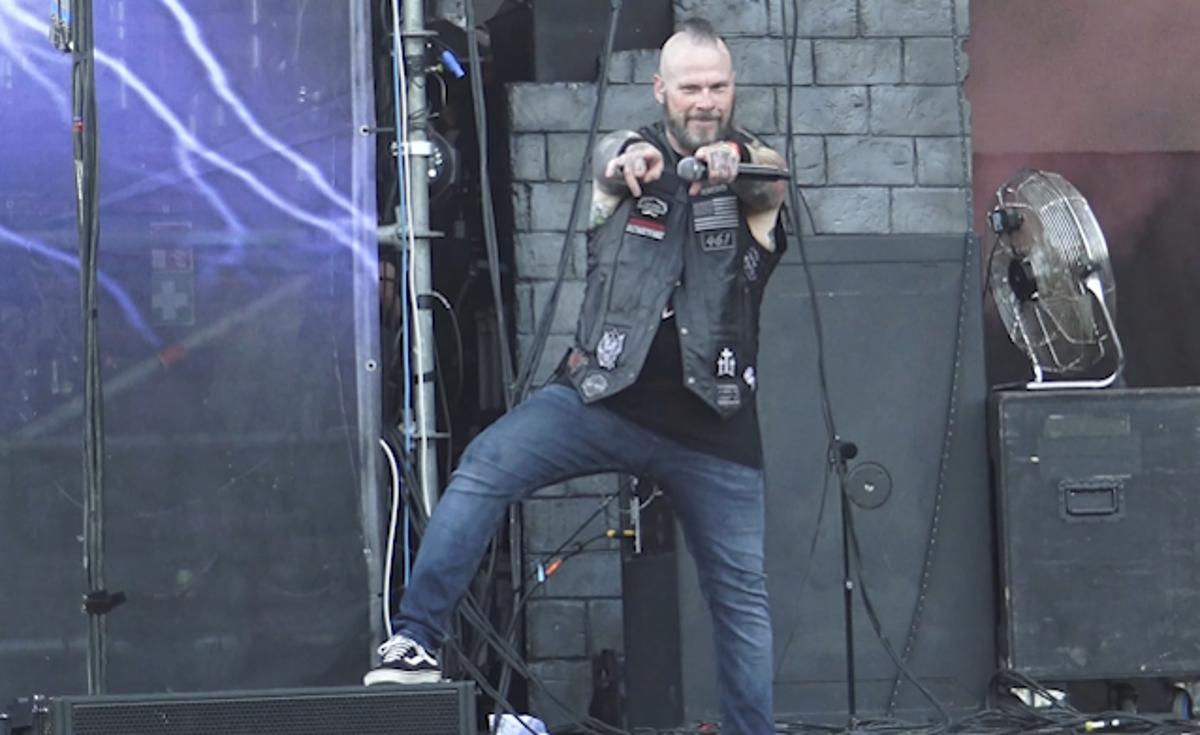
RON RINEHART On Why DARK ANGEL No Longer Plays Encores: 'To Me, It's Like Making The Fans Beg For Another Song'
Why It Matters
Eliminating encores reshapes live‑show pacing and challenges a long‑standing fan expectation, potentially influencing how promoters schedule sets and how artists monetize performances.
Key Takeaways
- •Ron Rinehart bans encores for Dark Angel shows
- •Band will play back‑to‑back songs without stage exit
- •Fans may feel pressured without traditional encore format
- •Other acts like The Strokes, Arctic Monkeys also reject encores
- •Trend reflects shifting live‑music economics and audience expectations
Pulse Analysis
Ron Rinehart’s decision to scrap the encore at Dark Angel concerts reflects a pragmatic shift toward efficiency onstage. By refusing to walk off and return, the band can squeeze every song they deem essential into the allotted set time, preserving the high‑octane energy that defines their thrash metal legacy. Rinehart’s blunt commentary—comparing the traditional encore to making fans “beg” for another track—underscores his belief that audiences have already paid for the full experience and deserve a relentless performance rather than a scripted pause.
The encore, borrowed from 19th‑century opera, has morphed into a predictable climax for rock shows, often pre‑planned before the first rehearsal. In recent years, acts such as The Strokes, Arctic Monkeys and Korn have publicly rejected the practice, citing its “cheesy” reputation and waning crowd enthusiasm. This collective pushback signals a cultural recalibration: fans increasingly value authentic, uninterrupted sets over a token extra song, and social media amplifies dissent when encores feel forced. For promoters and venues, the disappearance of encores could streamline scheduling, reducing the buffer time traditionally allocated for surprise returns.
Artists may also see a modest impact on merchandise sales, as the post‑encore lull—once a prime moment for vendors—shrinks. Conversely, a tighter, song‑dense set can boost streaming of live recordings, offering new revenue streams. As more bands experiment with this model, the live‑music ecosystem may evolve toward leaner, high‑intensity performances that prioritize artistic intent over ritual.
RON RINEHART On Why DARK ANGEL No Longer Plays Encores: 'To Me, It's Like Making The Fans Beg For Another Song'
Comments
Want to join the conversation?
Loading comments...