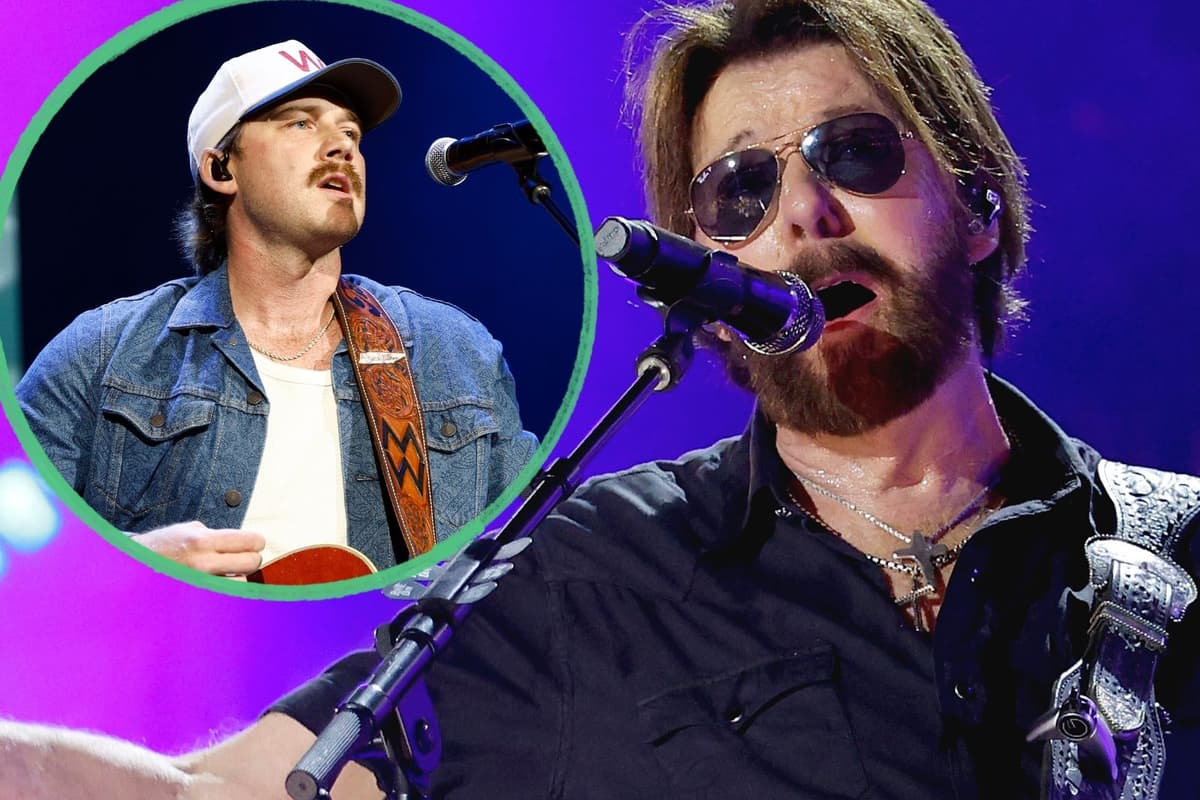
Ronnie Dunn on the Time He Got in Trouble Over Morgan Wallen
Why It Matters
The episodes underscore how lyric slip‑ups can ignite fan outrage and affect artist reputations, highlighting the high stakes of authenticity in live country performances.
Key Takeaways
- •Dunn used cheat sheet on Wallen’s 2025 Miami show
- •Fans saw cheat sheet as disrespect, creating “Paper Gate.”
- •Wallen later invited Brooks & Dunn back for 2026 tour
- •Ella Langley confessed lyric slips, prompting Wallen’s playful retaliation
- •Incidents illustrate fan sensitivity to authenticity in live country shows
Pulse Analysis
The "Paper Gate" saga illustrates the delicate balance artists must strike between performance perfection and genuine spontaneity. In country music, where storytelling authenticity is prized, a simple lyric cue can be misread as a slight, especially when fans are fiercely protective of their idols. Dunn’s decision to write "Whiskey Glasses" on a card was pragmatic, yet the episode quickly morphed into a social media firestorm, reminding performers that any perceived shortcut may be amplified by a vocal fanbase.
Beyond the immediate backlash, the incident reveals broader industry dynamics. Morgan Wallen’s willingness to re‑invite Brooks & Dunn for the 2026 "I’m the Problem" tour signals a pragmatic approach to conflict resolution, emphasizing collaboration over lingering grudges. This gesture not only restores goodwill but also leverages the combined draw of two veteran acts, boosting ticket sales and streaming numbers for both parties. For emerging artists like Ella Langley, navigating these high‑profile interactions offers a master class in handling onstage mishaps with humor and humility.
Ultimately, these stories highlight how modern fan culture can shape narrative arcs for artists. Social media accelerates the spread of perceived slights, turning a momentary lapse into a headline. Yet, when handled transparently—as Dunn and Wallen demonstrated—the fallout can be mitigated, preserving brand integrity. For industry stakeholders, the lesson is clear: invest in rehearsal, but also cultivate a narrative that frames human error as relatable, not disrespectful, thereby maintaining audience trust and long‑term loyalty.
Ronnie Dunn on the Time He Got in Trouble Over Morgan Wallen
Comments
Want to join the conversation?
Loading comments...