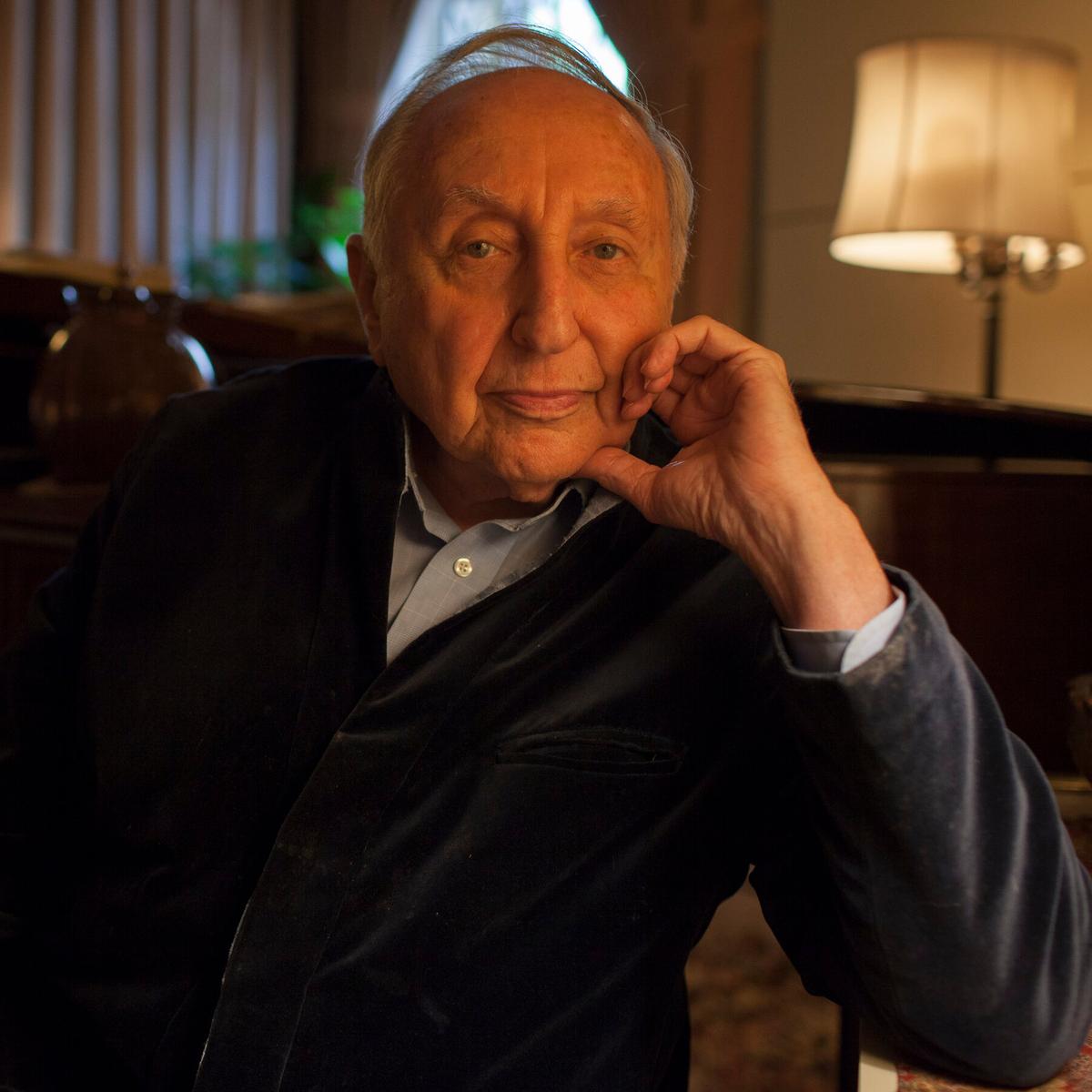
Seymour Bernstein Dies at 99; Stage Fright Cut Short His Piano Career
Why It Matters
Bernstein’s withdrawal underscores how performance anxiety can truncate even the brightest musical careers, prompting greater focus on mental‑health support in classical music. His pivot to education amplified his impact, shaping generations of pianists who benefit from his insights on artistry and anxiety management.
Key Takeaways
- •Died at 99 in Damariscotta, Maine, after long teaching career.
- •Quit public performances in 1977 due to severe stage fright.
- •NYT praised 1969 Lincoln Center recital as a triumph.
- •Influential teacher featured in 2014 Ethan Hawke documentary.
Pulse Analysis
Seymour Bernstein emerged in the 1950s as a prodigious talent, earning rave reviews from The New York Times and captivating audiences at venues like Lincoln Center. Yet, behind the applause lay an intense fear of the spotlight; he described the nerves as a horror that no critical acclaim could dispel. This internal battle culminated in his decision to step away from the stage at 50, a move that shocked the classical music world but reflected a deeper struggle shared by many performers.
After retiring from public concerts, Bernstein redirected his passion toward teaching and composition. He mentored countless pianists, emphasizing technical mastery alongside emotional resilience, and his pedagogical approach was later chronicled in the 2014 documentary "Seymour: An Introduction," directed by actor Ethan Hawke. The film offered an intimate look at his philosophy, revealing how he transformed personal anxiety into a teaching asset, encouraging students to confront their own performance fears. His influence extended beyond the studio, inspiring a generation of musicians to prioritize mental well‑being alongside artistic excellence.
Bernstein’s story resonates amid a growing conversation about performance anxiety in the arts. As orchestras and conservatories increasingly provide psychological resources, his experience serves as a cautionary tale and a source of hope: talent alone cannot guarantee longevity without support for the mind. By openly discussing his stage fright, Bernstein helped destigmatize a once‑taboo subject, leaving a legacy that champions both artistic brilliance and holistic health for future musicians.
Seymour Bernstein Dies at 99; Stage Fright Cut Short His Piano Career
Comments
Want to join the conversation?
Loading comments...