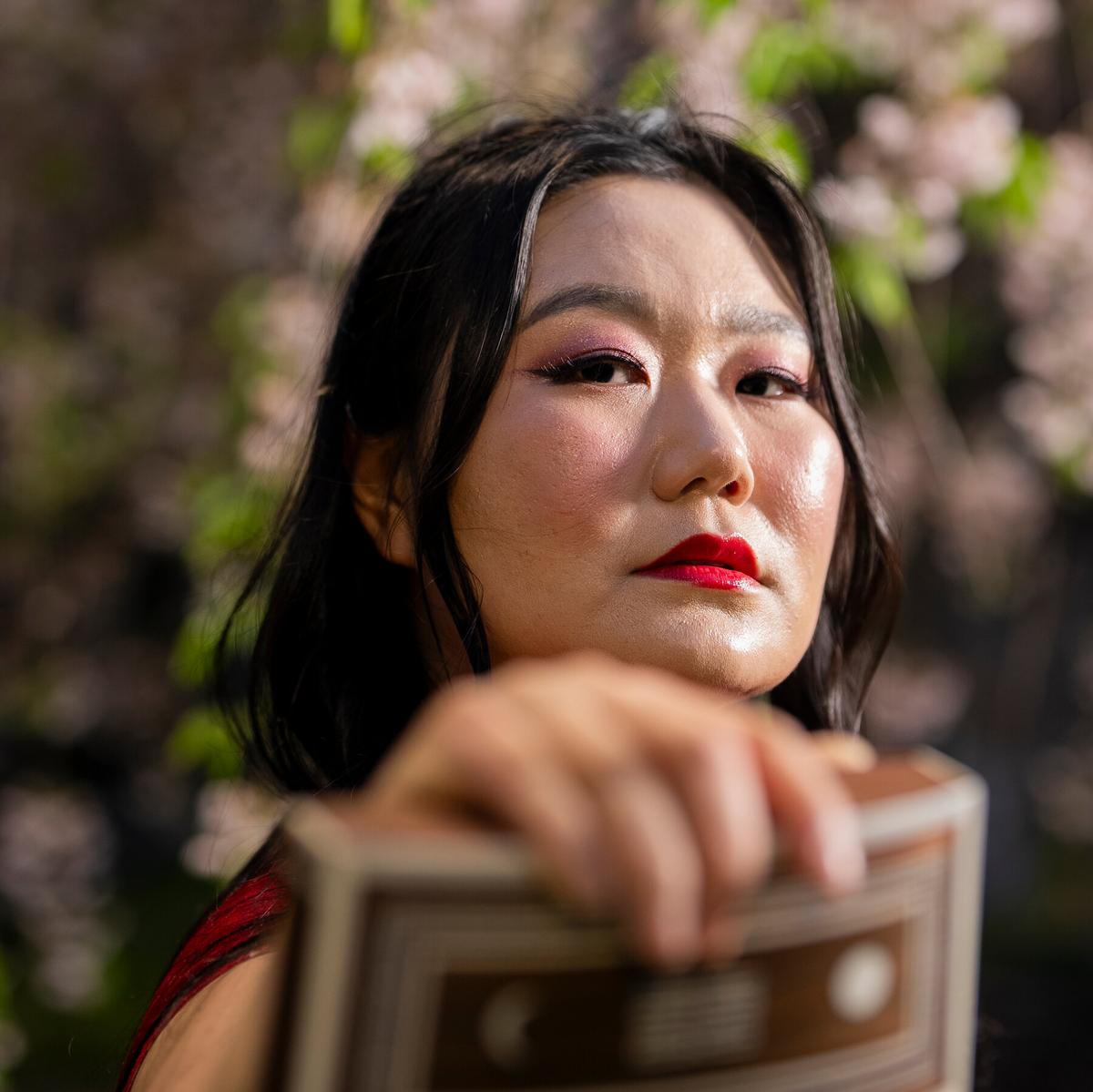
She’s Blazing a Trail for a Traditional Korean Zither in Jazz
Why It Matters
Kim’s fusion of a centuries‑old Korean instrument with contemporary jazz expands the genre’s sonic palette and signals growing market demand for cross‑cultural musical innovation.
Key Takeaways
- •DoYeon Kim brings 12‑string gayageum to NYC jazz scene
- •Collaborated with Kris Davis, Anna Webber, Ingrid Laubrock, William Parker
- •European tour with pianist Kris Davis expanded her international profile
- •Drummer Tomas Fujiwara praises her unique voice beyond novelty
- •Gayageum’s “cooking” technique reshapes improvisational texture
Pulse Analysis
Originating in the sixth‑century Korean court, the gayageum is a 12‑string zither traditionally used for melodic and ornamental passages. Seoul‑born DoYeon Kim, a classically trained virtuoso, relocated to South Brooklyn in 2022 and began showcasing the instrument’s distinctive timbre within a jazz context. By positioning the gayageum on a pink Minnie Mouse blanket and employing a technique she calls “sigimsae” or “cooking,” Kim emphasizes the after‑sound, a concept that challenges Western notions of attack and decay. Her visual and sonic presentation instantly signals a fresh aesthetic for improvisers.
Kim’s rapid ascent is reflected in a roster of high‑profile collaborators. She recently completed a European tour with avant‑garde pianist Kris Davis, recorded alongside composer‑saxophonist Anna Webber, and performed with free‑jazz legend William Parker and post‑bop veteran Jim Snidero. Drummer Tomas Fujiwara notes that her voice quickly transcends novelty, offering a “personal approach” that reshapes harmonic dialogue. The gayageum’s bending strings and “cooking” articulation add microtonal color and lingering resonance, prompting fellow improvisers to rethink phrasing and interaction in real time.
The emergence of the gayageum in contemporary jazz signals a broader appetite for cross‑cultural soundscapes among festivals, streaming curators, and record labels. As audiences seek authentic yet innovative experiences, artists like Kim provide a marketable narrative that blends heritage with modern improvisation. This trend encourages music education programs to incorporate non‑Western instruments, expanding talent pipelines. For industry stakeholders, investing in such hybrid projects can diversify catalogues, attract niche listeners, and reinforce the perception of jazz as an evolving, globally inclusive genre.
She’s Blazing a Trail for a Traditional Korean Zither in Jazz
Comments
Want to join the conversation?
Loading comments...