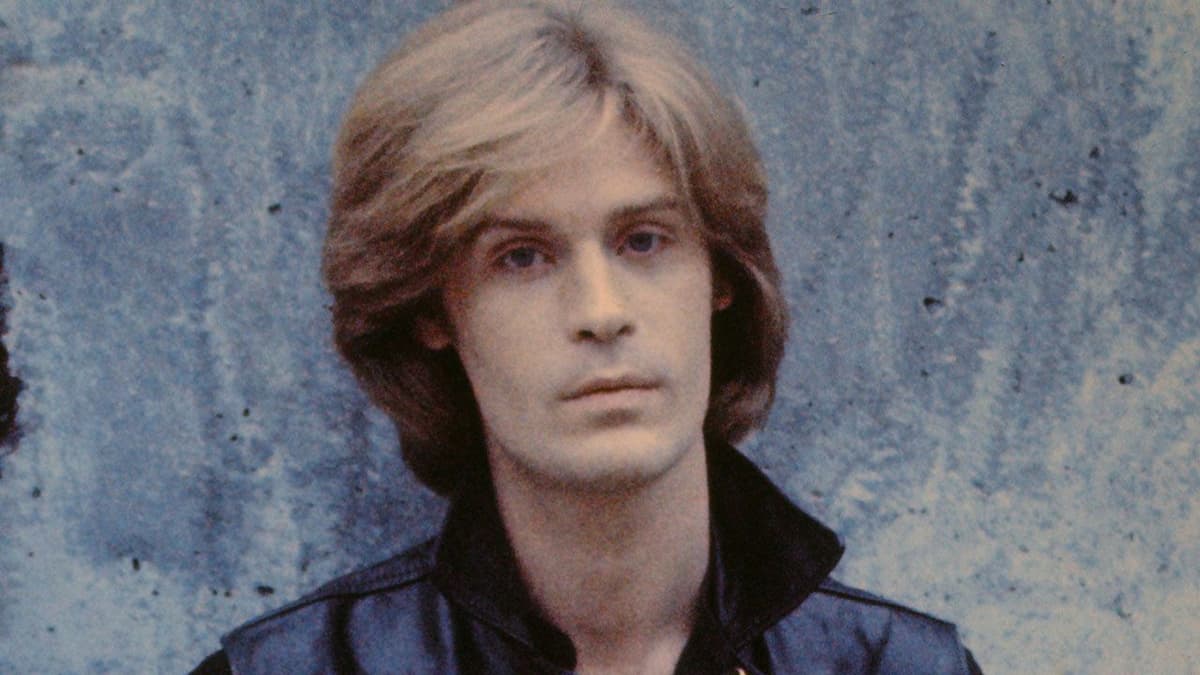
“Sounds of the Universe Crying”: This Pop Icon’s Label Wanted a Pop Solo Album. He Gave Them a Prog Record Instead. Which Is Why They Suppressed It for Three Years
Why It Matters
The album illustrates how major labels can stifle artistic experimentation, while Hall’s eventual release highlights the commercial risk of genre‑crossing projects. Its story informs today’s artists and executives about balancing brand expectations with creative ambition.
Key Takeaways
- •RCA shelved Hall's 1977 solo album 'Sacred Songs' over experimental sound
- •Robert Fripp co‑produced, adding avant‑garde Frippertronics to Hall's tracks
- •Album release delayed until 1980 after label resistance and lobbying
- •Critics praise the record as Hall's bold shift toward art‑rock
- •Potential crossover hinted at merging mainstream pop with progressive rock
Pulse Analysis
When Hall & Oates were climbing the charts in the late 1970s, RCA expected Daryl Hall’s solo effort to reinforce the duo’s proven pop formula. Instead, Hall enlisted Robert Fripp, the architect of King Crimson’s experimental soundscapes, to co‑produce Sacred Songs. The resulting tracks blended soulful vocals with Frippertronics, unconventional time signatures, and lyrical commentary on commercial pressure—elements that clashed sharply with RCA’s market‑driven expectations. The label’s decision to shelve the album underscores a recurring tension between record companies and artists seeking to push creative boundaries.
Fripp’s involvement turned the project into a hybrid of pop and progressive rock. Songs like "Something In 4/4 Time" and "Babs and Babs" feature eerie tape loops and angular guitar work that echo King Crimson’s avant‑garde aesthetic, while Hall’s vocal delivery remains rooted in his soulful style. This juxtaposition created a sound that was ahead of its time, prompting Hall to describe Fripp’s playing as “the universe crying.” The experimental nature of the album challenged the industry’s notion of a safe, radio‑friendly product, illustrating how cross‑genre collaborations can generate fresh artistic statements, even at the risk of commercial pushback.
The three‑year delay before the 1980 release allowed the music market to evolve, and the album eventually garnered praise for its boldness. Its legacy demonstrates that daring artistic choices can eventually find an audience, influencing later artists who blend pop sensibilities with progressive textures. For modern executives, the story serves as a cautionary tale: suppressing innovative work may protect short‑term sales but can also forfeit long‑term cultural impact and brand differentiation. Embracing calculated risk can position a label at the forefront of evolving musical trends.
“Sounds of the universe crying”: This pop icon’s label wanted a pop solo album. He gave them a prog record instead. Which is why they suppressed it for three years
Comments
Want to join the conversation?
Loading comments...