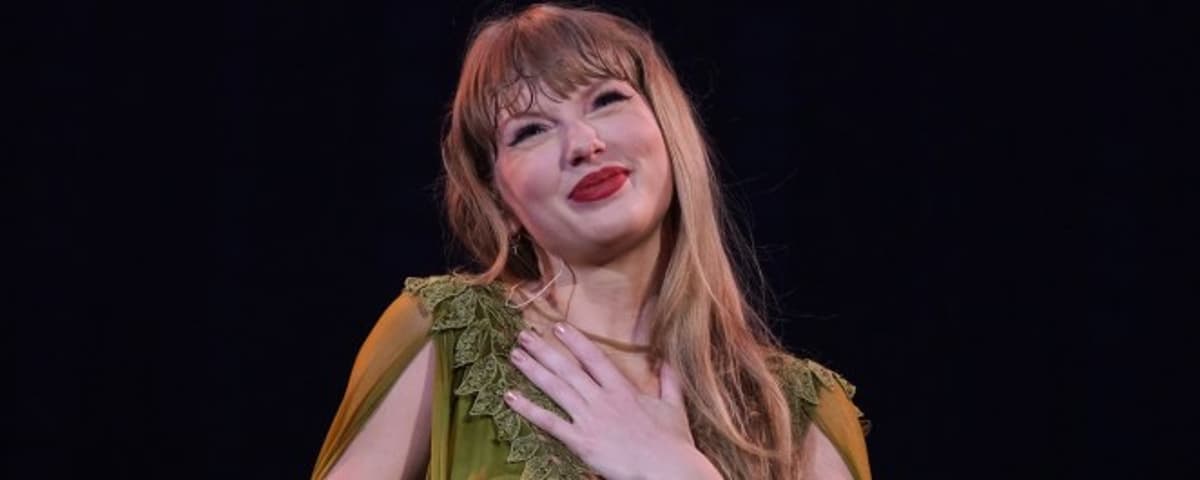
Taylor Swift Reveals Real-Life Experiences That Led Her to Write “Love Story” And “Elizabeth Taylor”
Why It Matters
The interview underscores how genuine, experience‑driven storytelling can translate into massive commercial success, reinforcing authenticity as a strategic asset for artists and labels.
Key Takeaways
- •"Love Story" stemmed from Swift's teenage dating restrictions
- •"Elizabeth Taylor" inspired by conversation with fiancé Travis Kelce
- •Swift emphasizes intense emotions of ages 17‑22 drive songwriting
- •Authentic personal narratives can translate into chart‑topping hits
Pulse Analysis
Taylor Swift’s recent video interview with The New York Times Magazine, which just named her one of the 30 greatest living American songwriters, offers a rare glimpse into the mechanics of her craft. The conversation, timed with the honor, underscores how Swift’s self‑curated narrative has become a brand asset as valuable as any marketing campaign. By openly dissecting the moments that sparked her biggest hits, she reinforces the industry’s growing belief that transparency in the creative process can deepen fan loyalty and drive streaming numbers. This candidness also sets a benchmark for emerging artists seeking credibility.
“Love Story,” released in 2008 on the Fearless album, emerged from a teenage dispute Swift had with her parents over an older boyfriend. That personal friction translated into a timeless Romeo‑and‑Juliet narrative that resonated with a generation craving relatable romance. The song’s ascent to No. 1 on the Billboard Hot 100 demonstrated how raw, age‑specific emotion can achieve universal appeal, a lesson that record labels now cite when scouting young talent. Swift’s admission that she wrote the track at 17 highlights the commercial power of authentic storytelling over formulaic pop conventions.
Swift’s newest single “Elizabeth Taylor,” drawn from a car‑ride conversation with fiancé Travis Kelce, signals a shift toward character‑driven songwriting that blends personal anecdote with historical homage. By invoking the iconic actress’s fight for artists’ rights, Swift aligns herself with a legacy of creative advocacy, a narrative angle that can deepen her cultural relevance beyond music charts. Industry analysts note that such multidimensional storytelling can open licensing opportunities in film, theater, and brand partnerships, extending revenue streams for established stars. The track illustrates how veteran artists reinvent their catalog by weaving contemporary experiences with timeless icons.
Taylor Swift Reveals Real-Life Experiences That Led Her to Write “Love Story” and “Elizabeth Taylor”
Comments
Want to join the conversation?
Loading comments...