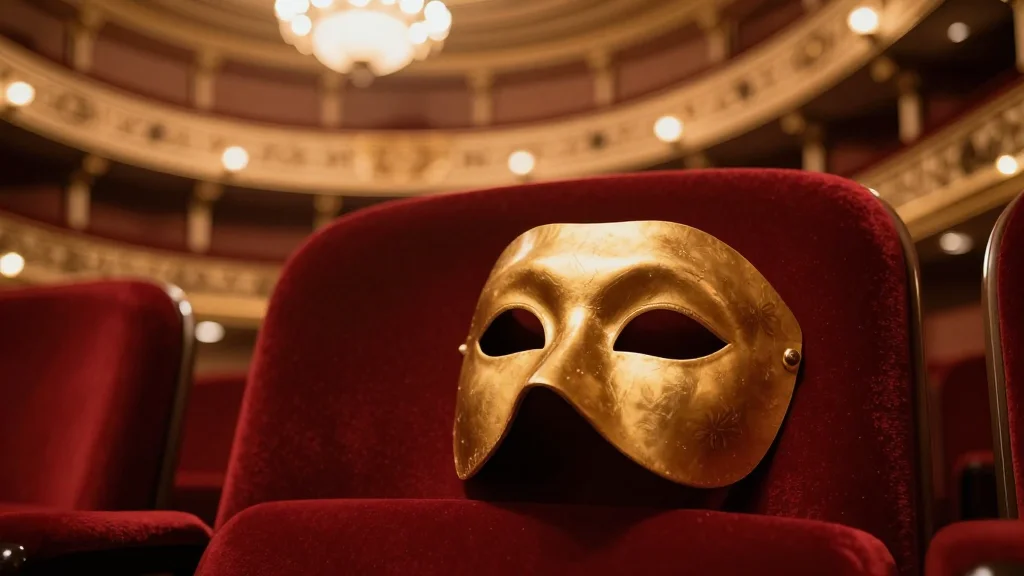
Teatro Colón De Buenos Aires 2026 Review: Pagliacci & Cavalleria Rusticana
Why It Matters
The staging showcases how major houses can blend classic repertoire with bold visual concepts, while the AI controversy flags emerging technology’s risk of undermining operatic intimacy.
Key Takeaways
- •Reversed order: Pagliacci precedes Cavalleria Rusticana
- •Hugo De Ana's neorealist set uses revolving stage
- •AI-generated intermezzo visuals deemed distracting
- •International cast earned strong vocal and dramatic praise
- •Supernumerary crowding diluted visual focus on action
Pulse Analysis
Teatro Colón’s 2026 season opener illustrates how legacy opera houses are re‑imagining canonical works for contemporary audiences. By inverting the usual sequence—presenting Pagliacci before Cavalleria Rusticana—the theater signaled a willingness to experiment with narrative flow. Hugo De Ana’s production anchored the double‑bill in a mid‑1950s Italian neorealist aesthetic, employing a revolving stage that allowed fluid transitions from bustling street scenes to intimate backstage moments. This cinematic approach not only honored the verismo roots of the operas but also leveraged modern stagecraft to deliver sightlines that satisfy every seat in the historic venue.
The cast, drawn from Ukraine, Spain, South Korea and Argentina, delivered performances that matched the production’s visual ambition. Tenors Denys Pivnitskyi and Yonghoon Lee commanded the stage with dramatic heft, while sopranos María Belén Rivarola and Liudmyla Monastyrska provided the vocal firepower essential to the tragic narratives. Critics highlighted the chorus and baritones Fabián Veloz and Youngjun Park as the backbone of the evening, proving that strong vocal foundations remain indispensable even amid elaborate staging. Yet the decision to project AI‑generated imagery during the intermezzi sparked debate, suggesting that technology can sometimes eclipse the music’s inherent emotional depth.
The mixed reception underscores a broader industry tension: balancing innovation with tradition. While AI offers novel storytelling tools, opera’s core appeal lies in the human voice and live orchestration. Teatro Colón’s experience serves as a cautionary tale for other institutions contemplating similar digital overlays. As opera houses worldwide grapple with audience expectations and budget constraints, the lesson is clear—technology should enhance, not replace, the art form’s timeless human element. By refining this balance, venues can preserve their cultural relevance while honoring the centuries‑old craft that defines opera.
Teatro Colón de Buenos Aires 2026 Review: Pagliacci & Cavalleria Rusticana
Comments
Want to join the conversation?
Loading comments...