Key Takeaways
- •Odyssey marked Terje Rypdal’s breakthrough on ECM’s double‑album format
- •1975 release helped define the emerging ‘ECM sound’ in jazz‑rock
- •Album’s moody compositions influenced later Nordic jazz and ambient artists
- •Critical acclaim boosted ECM’s reputation for avant‑garde productions
- •Reissue interest drives streaming growth for legacy jazz catalogs
Pulse Analysis
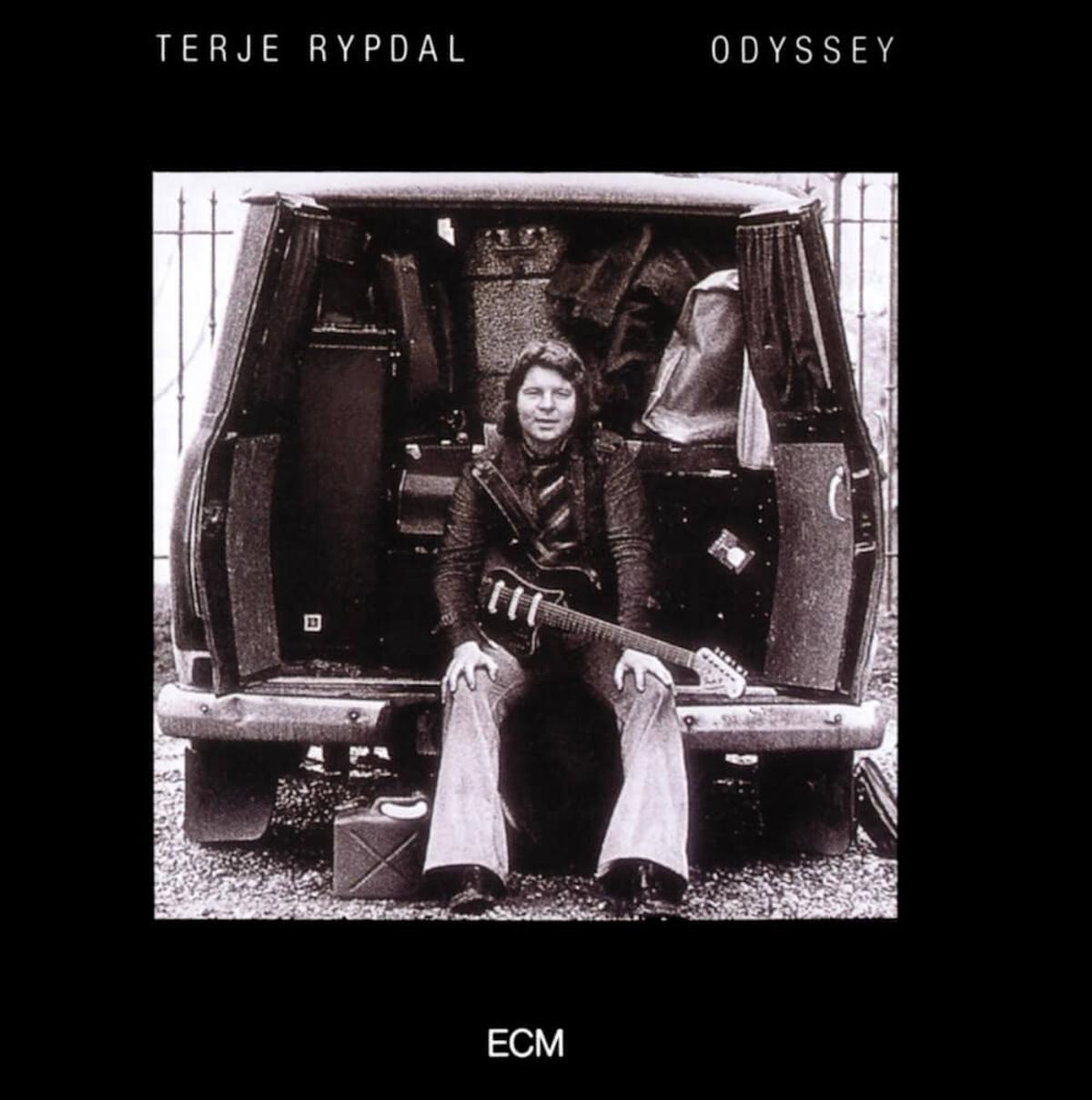
When ECM launched in the early 1970s, it set out to fuse pristine production values with adventurous improvisation. Terje Rypdal, a Norwegian guitarist known for his electric‑driven lyricism, arrived at the label at a pivotal moment. Odyssey, issued in 1975 as a double LP, captured the label’s nascent aesthetic—spacious, reverberant, and emotionally charged—while pushing the boundaries of jazz‑rock fusion. The album’s intricate compositions and atmospheric tones resonated with listeners seeking depth beyond mainstream rock, establishing Rypdal as a key architect of the ECM sound.
Beyond its artistic merits, Odyssey became a catalyst for the Nordic jazz renaissance. Musicians across Scandinavia cited the record’s moody textures and melodic daring as inspiration for their own explorations into ambient and experimental territories. The album’s influence can be traced through the works of artists like Jan Garbarek, Nils Petter Molvær, and contemporary electronic producers who sample its ethereal guitar lines. By marrying rock intensity with jazz improvisation, Odyssey broadened the palette for future generations, reinforcing ECM’s reputation as a hub for genre‑defying creativity.
From a business perspective, Odyssey illustrates the long‑term value of cultivating a deep catalog. ECM’s strategic reissues and digital distribution have turned legacy titles into steady revenue streams, capitalizing on vinyl resurgence and streaming algorithms that favor curated playlists. The renewed interest in Rypdal’s work drives playlist placements, licensing opportunities, and higher royalty yields, proving that investing in high‑quality, timeless recordings can pay dividends decades after the initial release. Labels looking to monetize archival assets can learn from ECM’s model of meticulous remastering, targeted marketing, and leveraging cultural heritage to attract both collectors and new audiences.
Terje Rypdal :: Odyssey
Comments
Want to join the conversation?