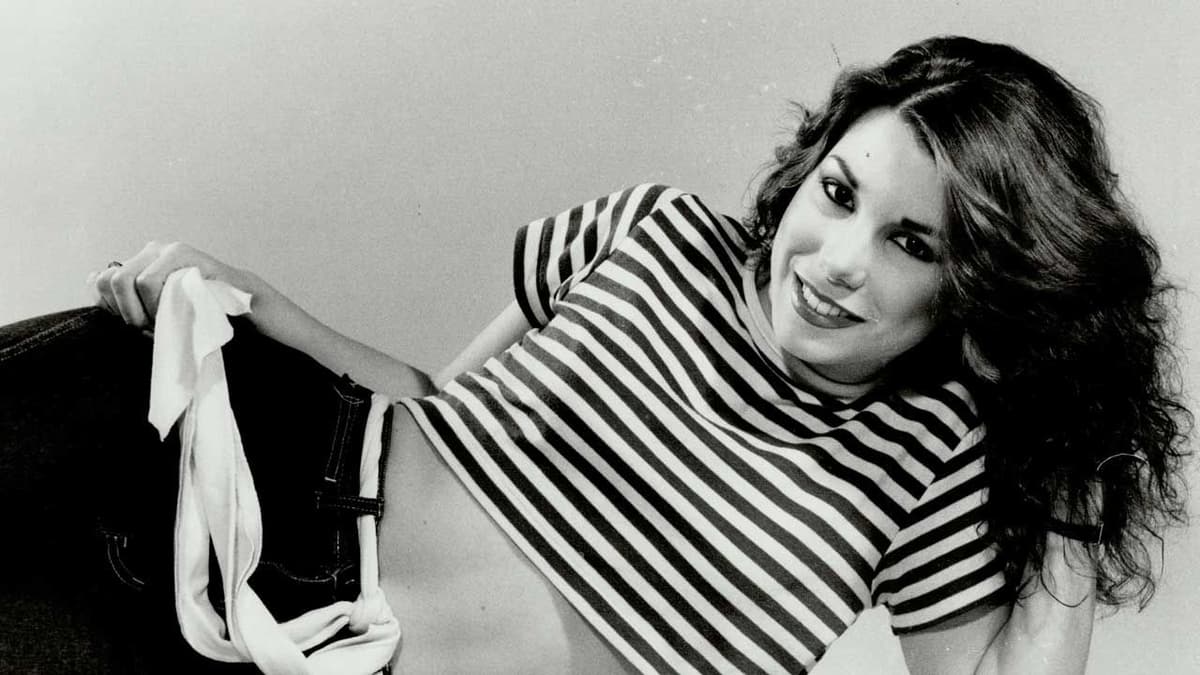
"The Album Cover and Title Song Video Are so Sexually Potent It Almost Makes You Forget How Canadian the Rest of the Record Is." What Happened when Lee Aaron Declared Herself the Metal Queen
Why It Matters
Aaron’s self‑branding highlighted how image could outweigh sound in a market saturated with soft‑metal, shaping the narrative of female empowerment and marketing in the North American rock scene.
Key Takeaways
- •Lee Aaron rebranded as "Metal Queen" with provocative 1984 album cover.
- •Album mixed glossy AOR with brief hard‑rock bursts, confusing metal fans.
- •Canadian 80s metal scene largely AOR‑styled, limiting authentic heavy sound.
- •Visual shock value drove attention more than musical innovation for Aaron.
- •Aaron later shifted genres, returning to hard rock in the 2020s.
Pulse Analysis
Lee Aaron’s 1984 "Metal Queen" era illustrates a pivotal moment when visual spectacle eclipsed musical substance in the Canadian metal landscape. While the album’s cover—a leather‑clad, sword‑wielding heroine—captured the imagination of teenage headbangers, the tracks themselves leaned heavily on polished AOR production, a hallmark of Canada’s 1980s rock output. This dichotomy underscores how Canadian bands often adopted American‑style radio‑friendly formulas, blurring the line between genuine heavy metal and commercial rock, and leaving purist fans yearning for a harder edge.
The "Metal Queen" saga also sheds light on gender dynamics within a male‑dominated genre. By leveraging provocative imagery, Aaron carved a niche that challenged the prevailing notion that metal credibility required a masculine persona. Her approach prefigured later female metal icons who used bold aesthetics to command attention, proving that visual branding could serve as a powerful equalizer. Yet the reliance on shock value over consistent sonic aggression sparked debate about authenticity, a tension still evident in today’s metal scene where image and sound constantly vie for supremacy.
From a broader industry perspective, Aaron’s career trajectory mirrors the volatility of 1980s music markets. After the mixed reception of "Metal Queen," she experimented with dance‑pop and jazz before re‑embracing hard rock in the 2020s, reflecting a broader pattern of artists reinventing themselves to stay relevant. Her story offers a case study in how market pressures, regional production trends, and gendered marketing strategies intersect, informing current discussions on how artists navigate genre boundaries and audience expectations in an ever‑evolving musical ecosystem.
"The album cover and title song video are so sexually potent it almost makes you forget how Canadian the rest of the record is." What happened when Lee Aaron declared herself the Metal Queen
Comments
Want to join the conversation?
Loading comments...