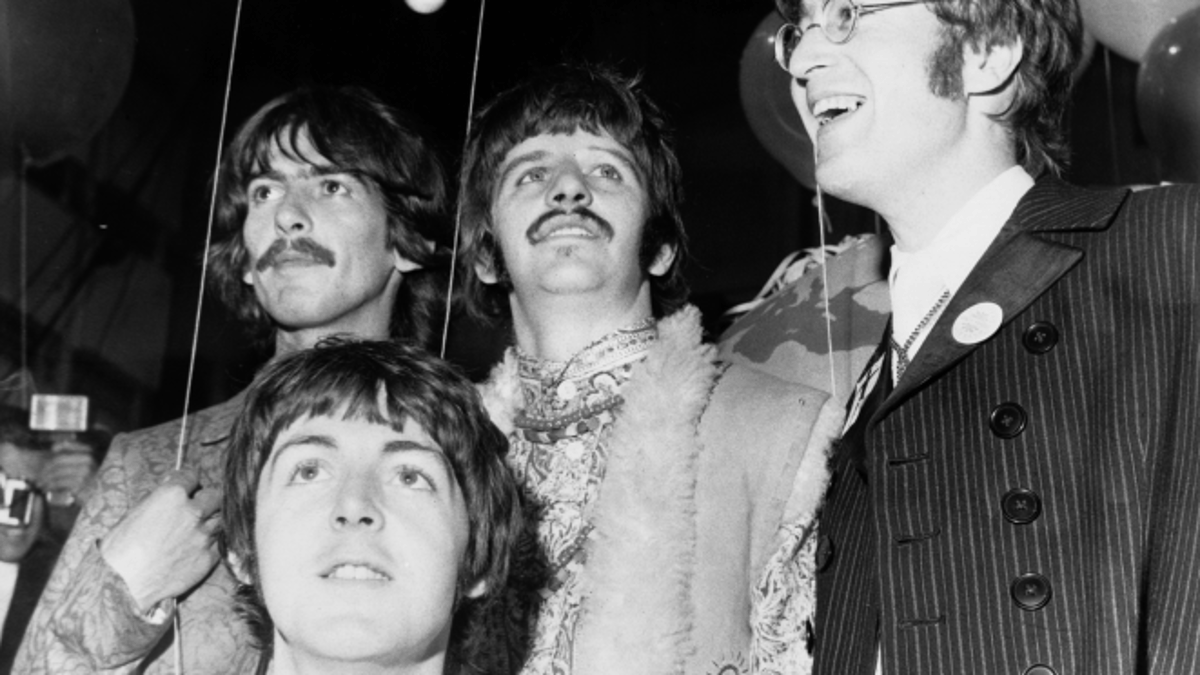
The Beatles Rejected This Song Three Times Before It Became One of George Harrison’s Biggest Hits in 1970
Why It Matters
The story illustrates how sidelined talent can fuel breakthrough solo careers, reshaping perceptions of the Beatles’ creative hierarchy. It also shows the commercial upside of revisiting rejected material.
Key Takeaways
- •“Isn’t It A Pity” rejected three times by Beatles
- •Song became a centerpiece of Harrison’s 1970 solo album
- •Ringo Starr contributed drums, highlighting overlooked members’ talent
- •Track reflects Harrison’s frustration with band hierarchy
- •Hit reinforced Harrison’s credibility as solo songwriter
Pulse Analysis
The Beatles’ internal songwriting dynamics were famously dominated by John Lennon and Paul McCartney, leaving George Harrison to fight for his compositions to be heard. During the Revolver sessions, Harrison presented “Isn’t It A Pity,” a reflective piece about broken relationships that mirrored his growing disenchantment with the group’s power structure. The band’s decision to pass on the song was not unusual; many of Harrison’s contributions were shelved in favor of the Lennon‑McCartney catalog. This pattern of exclusion contributed to the creative tension that eventually led to the band’s dissolution.
When Harrison launched his solo career, the song found a home on the triple‑LP All Things Must Pass, an album that would become a benchmark for post‑Beatles artistry. “Isn’t It A Pity” opened the record’s second disc, pairing Harrison’s introspective lyricism with a soaring orchestral arrangement that showcased his newfound artistic freedom. Ringo Starr’s tasteful drumming added a rhythmic foundation that reminded listeners of the Beatles’ collaborative spirit, even as the track highlighted Harrison’s individual voice. The song’s warm reception helped propel the album to multi‑platinum status and cemented Harrison’s reputation as a songwriter capable of crafting timeless, emotionally resonant music.
The saga of a once‑rejected Beatles demo turning into a solo hit offers a broader lesson for the music industry: undervalued material can become a catalyst for artistic reinvention. Harrison’s experience encouraged other secondary songwriters to assert their creative visions, influencing a generation of artists who sought to break free from dominant songwriting duos. Moreover, the story has prompted music historians to re‑examine the Beatles’ extensive vault, recognizing that many overlooked gems may still hold commercial and cultural relevance today.
The Beatles Rejected This Song Three Times Before It Became One of George Harrison’s Biggest Hits in 1970
Comments
Want to join the conversation?
Loading comments...