Why It Matters
The release underscores how legacy artists can monetize nostalgia while testing relevance in today’s streaming‑driven market. Its vintage production choices also signal a broader trend of retro‑recording techniques gaining commercial appeal.
Key Takeaways
- •First McCartney studio album in six years
- •Features duets with Ringo Starr and vintage tape production
- •Album blends psychedelic pop, big band jazz, and rock boogie
- •Critics note nostalgic songwriting but uneven emotional depth
- •Uses four‑track tape for authentic 60s sound
Pulse Analysis
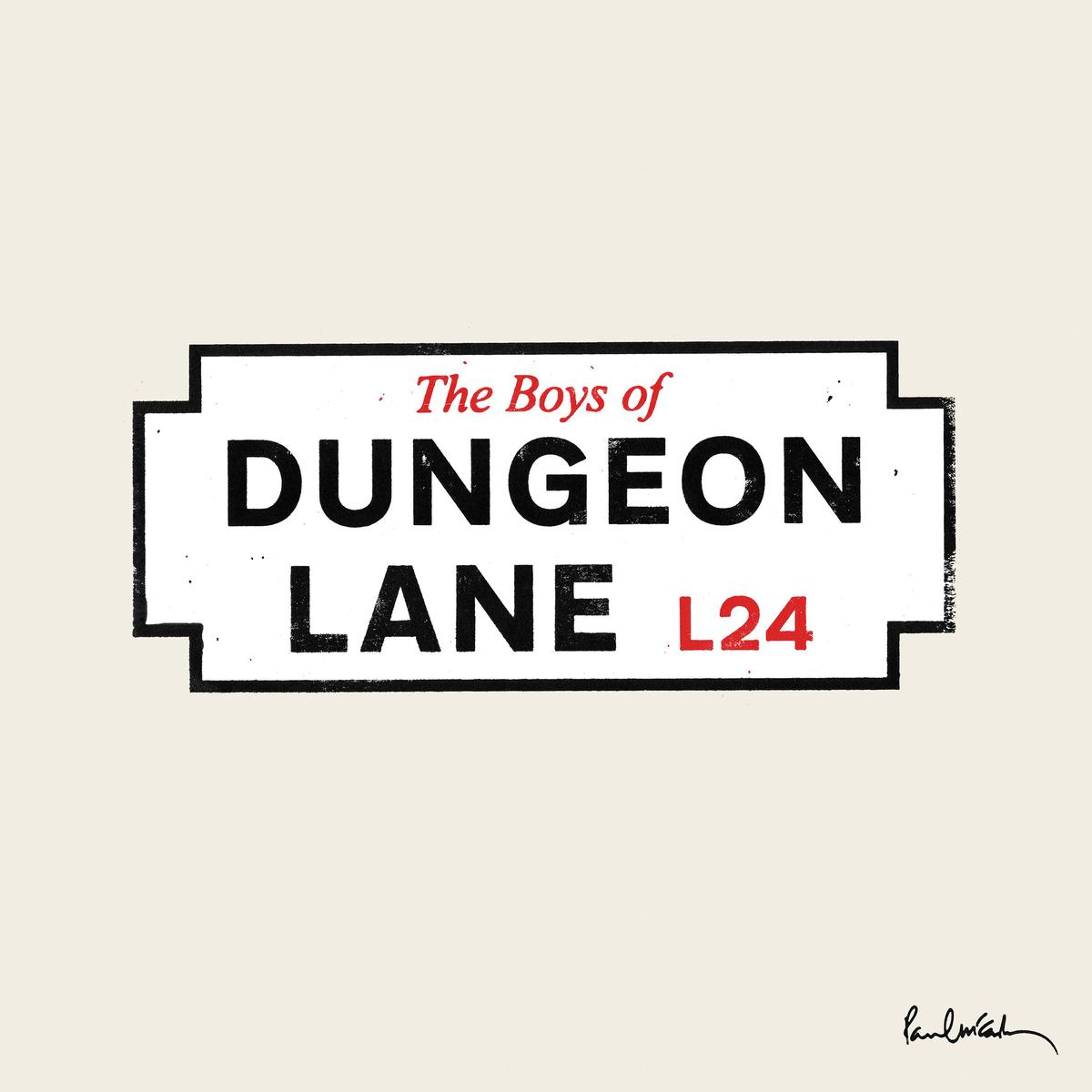
Paul McCartney’s latest effort, *The Boys of Dungeon Lane*, arrives at a moment when legacy acts are increasingly courting both long‑time fans and younger listeners through nostalgic storytelling. By revisiting his Liverpool upbringing and collaborating with fellow Beatle Ringo Starr, McCartney taps into a well‑spring of cultural memory that resonates on streaming platforms where curated playlists favor familiar names. The album’s modest commercial expectations reflect a strategic focus on catalog reinforcement rather than chart domination, a model many veteran artists are adopting to sustain relevance and generate steady royalty streams.
The production approach is a notable departure from the polished digital workflows that dominate contemporary pop. McCartney and producer Andrew Watt deliberately recorded on a four‑track tape machine once used by the Fab Four, then bounced the tracks to emulate the analog warmth of the 1960s. This retro technique not only satisfies audiophile cravings but also aligns with a growing market for vintage‑sounding releases, as seen in recent projects by artists like Jack White and Adele. The tactile process injects subtle imperfections that enhance the album’s emotional authenticity, a quality that digital perfection often lacks.
From a business perspective, *Dungeon Lane* illustrates how established musicians can leverage their extensive back catalog while introducing fresh material that complements existing brand equity. The album’s blend of psychedelic pop, big‑band jazz, and rock‑oriented boogie expands McCartney’s genre palette, potentially attracting playlist curators across multiple categories. While critical reception points to occasional lyrical heaviness, the overall craftsmanship reinforces McCartney’s reputation as a master songwriter. For the industry, the record serves as a case study in balancing heritage appeal with modern consumption habits, suggesting that strategic nostalgia, when paired with authentic production choices, can still drive meaningful engagement and revenue.
The Boys of Dungeon Lane
Comments
Want to join the conversation?
Loading comments...