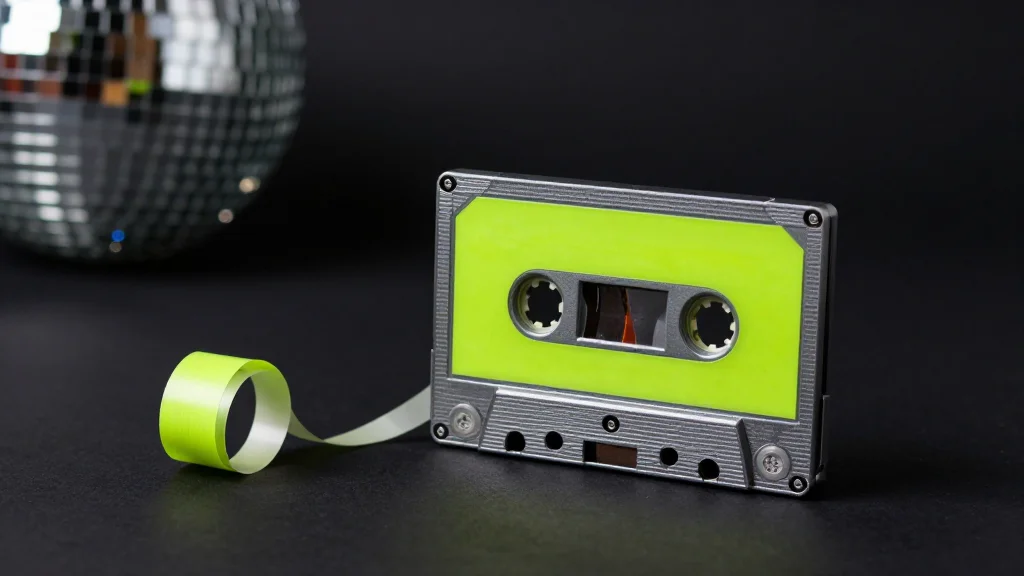
The Choreographer Kyle Abraham Embraces the Big Perm and Boombox Era
Why It Matters
The work shows that modern dance can attract wider audiences by integrating familiar pop culture while preserving artistic depth, signaling a shift toward more accessible yet sophisticated programming.
Key Takeaways
- •Cassette Vol. 1 merges 80s pop with postmodern dance
- •Set design recreates 1980s diner, pay phone, vintage TVs
- •Dancers wear tracksuits, permed wig, echoing era fashion
- •References to Trisha Brown, Yvonne Rainer broaden artistic dialogue
- •Mix‑tape romance narrative links nostalgia to contemporary audiences
Pulse Analysis
Kyle Abraham, a leading figure in American contemporary dance, has long explored the intersection of personal memory and collective cultural moments. "Cassette Vol. 1" continues that trajectory by turning the mixtape—a symbol of youthful self‑expression—into a kinetic narrative. By situating the performance in a stylized 1980s setting, Abraham taps into a generational nostalgia that resonates with audiences who grew up with cassettes, Walkmans, and early MTV, while also introducing younger viewers to the era’s aesthetic through immersive set pieces and period‑accurate costumes.
The choreographic fabric of the piece is a study in contrast. Abraham layers iconic tracks like R.E.M.’s “The One I Love” and the B‑52’s “Rock Lobster” over movement vocabularies derived from Trisha Brown’s fluid lines and Yvonne Rainer’s pedestrian approach. This deliberate mash‑up creates a dialogue between mainstream pop and the rigor of postmodern dance, allowing the performers to oscillate between playful, synchronized shimmies and austere, balletic extensions. The set, designed by Dan Scully, amplifies this tension with retro elements—pay phones, mall mannequins, and vintage television loops of Reagan and Gorbachev—turning the stage into a living time capsule that reinforces the work’s thematic duality.
For the broader dance ecosystem, "Cassette Vol. 1" illustrates a viable model for expanding audience reach without diluting artistic integrity. By embedding recognizable cultural touchstones within a sophisticated choreographic framework, companies can attract ticket buyers who might otherwise overlook contemporary dance. This approach also opens doors for cross‑generational collaboration, sponsorship opportunities linked to nostalgia‑driven branding, and new revenue streams through multimedia extensions. As more choreographers experiment with similar hybrid formats, the industry may see a sustained rise in productions that marry popular music, visual nostalgia, and cutting‑edge movement, reshaping the perception of modern dance in the cultural mainstream.
The Choreographer Kyle Abraham Embraces the Big Perm and Boombox Era
Comments
Want to join the conversation?
Loading comments...