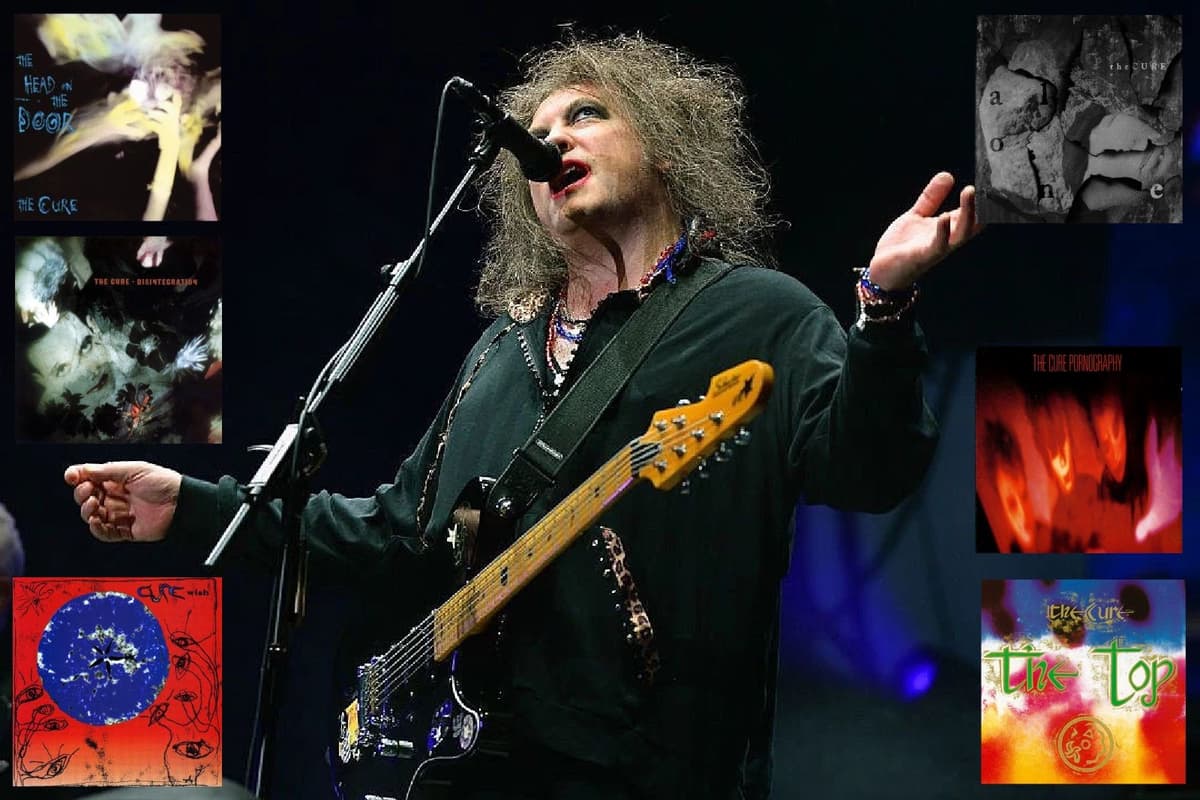
Why It Matters
The ranking underscores The Cure’s pivotal role in shaping goth and alternative music, offering industry insiders a concise map of the band’s commercial peaks and artistic risks that continue to influence new artists.
Key Takeaways
- •Disintegration (1989) tops list as Cure's creative peak
- •Pornography (1982) hailed as goth genre cornerstone
- •Wish (1992) became band's highest‑charting U.S. album
- •Songs of a Lost World (2024) marks strong comeback
- •The Top (1984) labeled worst album in ranking
Pulse Analysis
Rolling Stone’s latest feature provides a definitive, chronologically aware ranking of The Cure’s 13 studio albums, a valuable reference for music historians and streaming curators alike. By positioning *Disintegration* at number one, the piece affirms the album’s enduring blend of gothic atmosphere, psychedelic depth, and pop sensibility that still drives high streaming numbers and playlist placements. The analysis also contextualizes the band’s early post‑punk experiments, noting how *Three Imaginary Boys* and the subsequent gothic trilogy (*Seventeen Seconds*, *Faith*, *Pornography*) forged a template for dark‑wave and indie‑rock acts that emerged in the 1990s.
Beyond the early era, the ranking tracks The Cure’s stylistic pivots—mid‑80s pop‑rock breakthroughs on *The Head on the Door* and *Kiss Me Kiss Me Kiss Me*, the commercial zenith of *Wish* with its chart‑topping singles, and the later, more introspective works like *Bloodflowers* and *4:13 Dream*. These shifts illustrate how Robert Smith leveraged lineup changes and production collaborations (e.g., Ross Robinson on the 2004 self‑titled album) to stay relevant, even as critics debated authenticity versus experimentation. The article’s inclusion of the 2024 release *Songs of a Lost World* signals that the band’s creative arc remains unfinished, offering fresh material for both legacy fans and younger listeners discovering the catalog via algorithmic recommendations.
The Cure’s 2019 induction into the Rock & Roll Hall of Fame cements their cultural impact, reinforcing why their discography matters to record labels, licensing executives, and concert promoters. Their influence permeates contemporary gothic fashion, film soundtracks, and the resurgence of moody synth‑driven pop. Understanding the album hierarchy helps industry professionals gauge which tracks are likely to generate sync opportunities, re‑issues, or anniversary tours, ensuring The Cure’s legacy continues to translate into measurable revenue streams.
The Cure Albums Ranked Worst to Best
Comments
Want to join the conversation?
Loading comments...