Companies Mentioned
Why It Matters
Understanding heartland rock’s blend of mass appeal and progressive messaging reveals how popular music can both shape and be reshaped by political forces, offering lessons for today’s cultural battles.
Key Takeaways
- •Heartland rock blended big sound with everyday American narratives
- •Artists like Springsteen, Mellencamp, Seger, and Petty infused left‑leaning politics
- •Right‑wing figures have repeatedly co‑opted songs such as “Born in the U.S.A.”
- •Osmon argues the genre once united listeners across ideological lines
- •Farm Aid, launched by Mellencamp, has raised over $90 million for farmers
Pulse Analysis
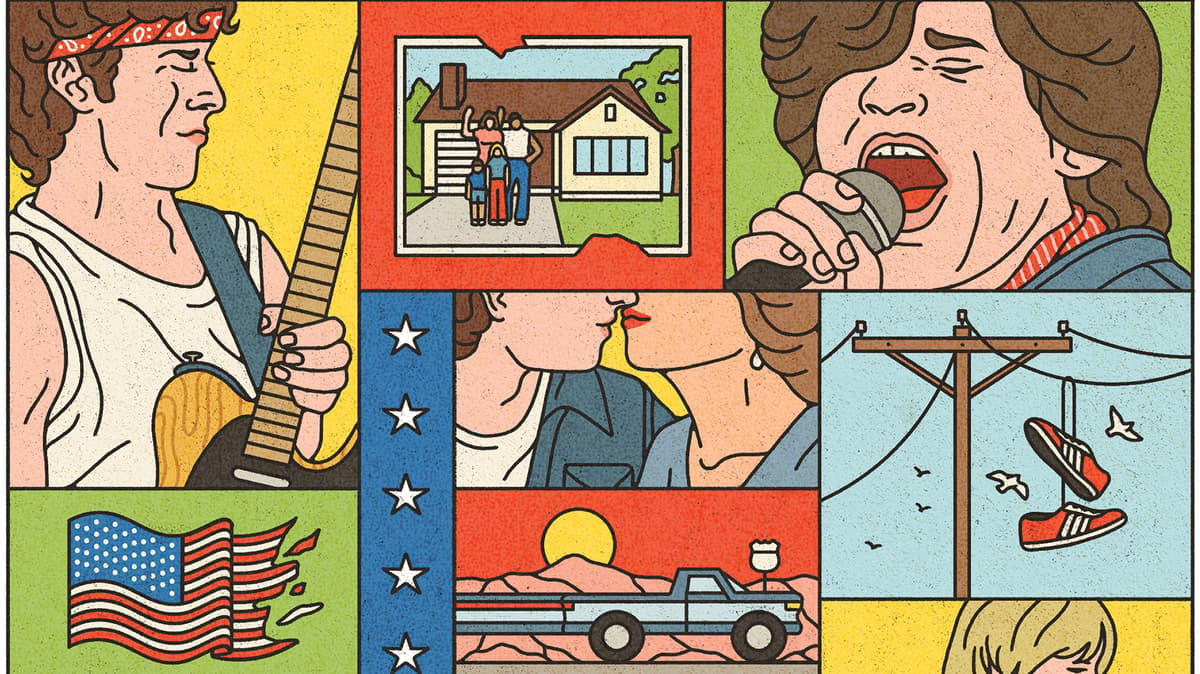
Heartland rock emerged in the late 1970s as a sonic bridge between the anthemic excess of arena rock and the gritty realism of working‑class life. By pairing soaring guitar riffs with lyrics about small‑town love affairs, factory jobs, and highway dreams, artists like Springsteen and Mellencamp crafted a soundtrack that resonated with a broad swath of America. Their left‑leaning messages—critiques of economic inequality, veteran neglect, and corporate influence—were wrapped in choruses that could fill stadiums, making political commentary accessible without sacrificing commercial appeal.
The genre’s cultural potency has proven double‑edged. While the music galvanized charitable initiatives such as Farm Aid, which has generated more than $90 million for family farms, it also attracted appropriation by conservative politicians. The ironic chorus of “Born in the U.S.A.” became a rallying cry for Ronald Reagan and later Donald Trump, illustrating how bombastic hooks can eclipse nuanced intent. Erin Osmon’s new book argues that heartland rock once offered a rare common‑ground where listeners of differing ideologies could find shared emotional footing, a dynamic largely eroded by today’s fragmented streaming ecosystem.
In today’s digital age, the lessons of heartland rock are especially relevant. The genre demonstrated that mass‑market music can serve as a vehicle for social change when artists maintain authenticity and engage directly with community causes. As streaming platforms prioritize algorithmic playlists over shared listening experiences, the collective, activist‑driven moments that defined the 1980s are harder to replicate. Revisiting heartland rock’s legacy offers a blueprint for modern musicians seeking to blend broad appeal with purposeful messaging, reminding industry leaders that cultural impact still thrives where big sounds meet big ideas.
The Lost Idealism of Heartland Rock
Comments
Want to join the conversation?
Loading comments...