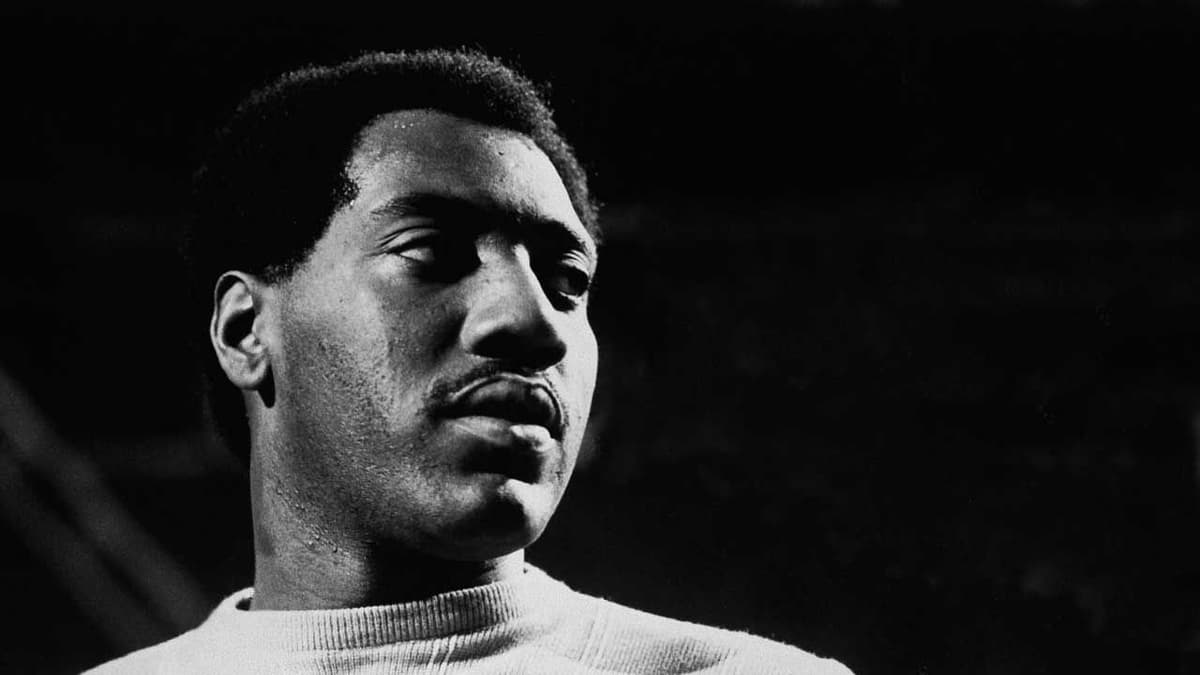
"The Toughest Thing I've Ever Done." The Trauma Behind Otis Redding's Tragic Classic (Sittin' On) The Dock Of The Bay
Why It Matters
The posthumous hit demonstrated how a single song can transform an artist’s cultural standing, turning Redding into a soul icon and influencing generations of musicians and producers.
Key Takeaways
- •Otis wrote initial verses on a Sausalito houseboat in 1967
- •Steve Cropper added background vocals and seagull sounds post‑death
- •The single sold over four million copies and topped Billboard in 1968
- •Posthumous release cemented Redding as a soul legend and Grammy winner
Pulse Analysis
When Otis Redding stepped onto the Monterey Pop stage in 1967, he introduced mainstream America to a raw, Southern soul sound that had previously thrived in black clubs. The exposure sparked a creative surge, and a quiet week on a houseboat in Sausalito yielded the first lines of what would become his most iconic composition. Inspired by the laid‑back vibe of The Beatles’ "Sgt. Pepper," Redding sought a departure from his high‑energy hits, crafting a reflective melody that mirrored the gentle lapping of the bay’s waters.
The recording sessions in Memphis brought together Stax’s house band, Booker T & The M.G.’s, and producer‑guitarist Steve Cropper. While Redding’s vocal performance captured a weary optimism, the track remained unfinished when tragedy struck: a plane crash claimed his life in December 1967. Determined to honor his friend’s vision, Cropper layered background vocals, added subtle seagull cries, and preserved the original whistled outro, despite Redding’s own doubts about his whistling ability. The final mix, completed weeks after the accident, retained the song’s intimate atmosphere while delivering a polished, radio‑ready sound.
Upon its January 1968 release, "(Sittin’ On) The Dock Of The Bay" vaulted to number one on the Billboard Hot 100 and sold more than four million copies worldwide, a rare feat for a posthumous single. The song’s crossover appeal broadened soul’s audience, influencing rock, folk, and pop artists who later covered it. Its enduring resonance underscores how a single, emotionally honest recording can redefine an artist’s legacy, turning a tragic loss into a timeless cultural touchstone that continues to inspire musicians and listeners alike.
"The toughest thing I've ever done." The trauma behind Otis Redding's tragic classic (Sittin' On) The Dock Of The Bay
Comments
Want to join the conversation?
Loading comments...