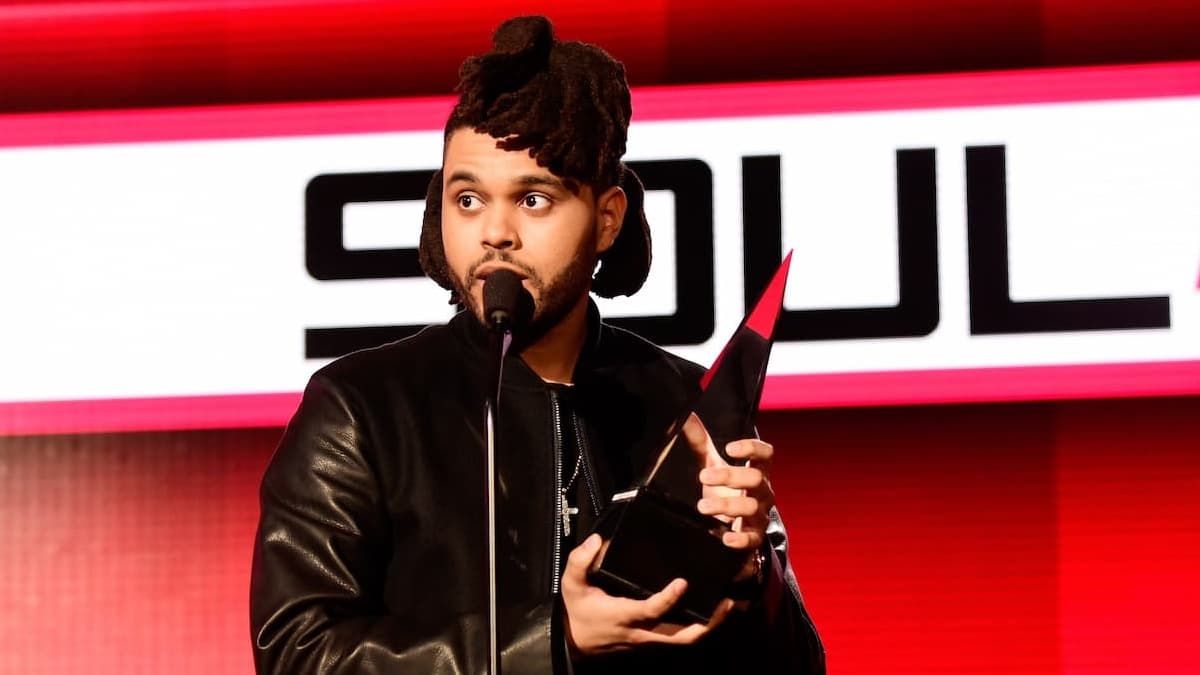
The Weeknd Confessed That He ‘Relates’ to a Famous Comic Book Villain, but Isn’t ‘Out To Destroy the World’
Why It Matters
The confession underscores how high‑profile musicians use anti‑hero narratives to shape brand identity, influencing fan perception and industry marketing strategies.
Key Takeaways
- •The Weeknd cites Joker as favorite villain, likening ambiguous backstory
- •He argues his dark persona fuels artistic mystique, not malicious intent
- •Comparison highlights shift from early gritty lyrics to more mature pop sound
- •He defends controversial themes as art, likening music to film
- •Embracing anti‑hero image aligns with current celebrity branding trends
Pulse Analysis
The Weeknd’s recent interview resurfaced his long‑standing fascination with darkness, but this time he singled out the Joker from Christopher Nolan’s The Dark Knight as the archetype that mirrors his own artistic mystique. By emphasizing the villain’s shifting explanations for his scar, Abel Tesfaye—who performs under the moniker The Weeknd—draws a parallel to his own habit of revealing just enough to intrigue listeners while keeping his true motives hidden. This self‑portrait of ambiguity has been a hallmark since his early mixtapes, when he concealed his face and let a husky voice speak for the brand.
Positioning himself as a ‘villain in my city’ does more than satisfy a personal narrative; it taps into a broader cultural shift where musicians adopt anti‑hero personas to differentiate themselves in a saturated market. Fans increasingly gravitate toward artists who appear flawed yet authentic, and the Joker’s chaotic charisma offers a ready‑made template. By aligning with a comic‑book icon, The Weeknd leverages cross‑media recognition, reinforcing his brand across music, film, and pop‑culture conversations, while pre‑emptively deflecting criticism of his earlier misogynistic lyrics.
The admission also signals how future projects may balance edgier storytelling with the polished pop sensibility that propelled his recent chart‑toppers. Industry observers will watch whether this villainous framing translates into darker visual aesthetics, lyrical themes, or strategic collaborations with filmmakers. In an era where streaming algorithms reward distinctive narratives, The Weeknd’s Joker comparison could serve as a marketing catalyst, ensuring his next album arrives with the same intrigue that once kept listeners guessing about the man behind the mask.
The Weeknd Confessed That He ‘Relates’ to a Famous Comic Book Villain, but Isn’t ‘Out To Destroy the World’
Comments
Want to join the conversation?
Loading comments...