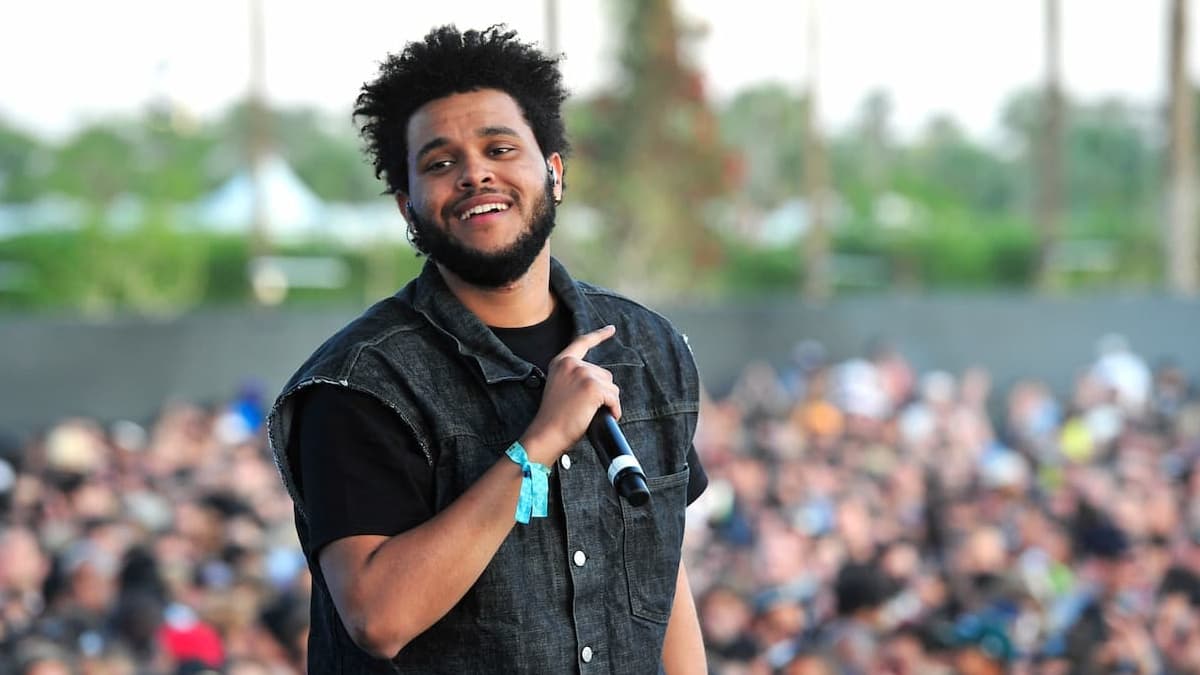
The Weeknd Once Explained Why He Spent His Early Career in Anonymity: ‘I’m Going To Let the Music Speak for Itself’
Companies Mentioned
Why It Matters
His transition from anonymity to public persona illustrates how artist branding can evolve from intrigue‑driven buzz to conventional media engagement, influencing how emerging musicians balance mystery with marketability.
Key Takeaways
- •Early anonymity built mystique, driving viral buzz
- •Insecurity and camera‑shyness fueled his hidden persona
- •Revealing his face coincided with Kiss Land promotion
- •Strategy emphasized music over image, shaping indie branding trends
- •Cited Prince and Michael as interview role models
Pulse Analysis
When Abel Tesfaye first released *House of Balloons* in 2011, he did so without a face, name, or traditional press kit. The anonymity was a calculated response to a saturated digital landscape where mystery could cut through noise. By leaking only his voice and cryptic visuals, he cultivated a cult following that spread his mixtapes across forums and early streaming platforms, turning scarcity into a viral asset. This approach mirrored the underground R&B scene’s emphasis on artistic purity over commercial polish.
The decision to step out of the shadows in 2012 aligned with the rollout of *Kiss Land*, his first full‑length studio effort. As the music industry increasingly valued visual branding, Tesfaye recognized that media exposure could amplify sales and touring opportunities. Citing Prince and Michael Jackson—artists who mastered both music and media—he began granting interviews, thereby legitimizing his status as a mainstream act. This pivot demonstrated that strategic vulnerability can coexist with a carefully curated mystique, offering a blueprint for artists who wish to transition from niche acclaim to global stardom.
For today’s independent musicians, The Weeknd’s journey underscores the importance of timing and narrative control. An initial veil of anonymity can generate organic hype, but sustained growth often requires a calculated reveal that aligns with product launches and media cycles. By prioritizing the music first, then leveraging visual identity when the market is primed, artists can maintain authenticity while capitalizing on the promotional power of press and social platforms. The Weeknd’s evolution thus serves as a case study in balancing artistic integrity with the commercial imperatives of the modern music ecosystem.
The Weeknd Once Explained Why He Spent His Early Career in Anonymity: ‘I’m Going To Let the Music Speak for Itself’
Comments
Want to join the conversation?
Loading comments...