Key Takeaways
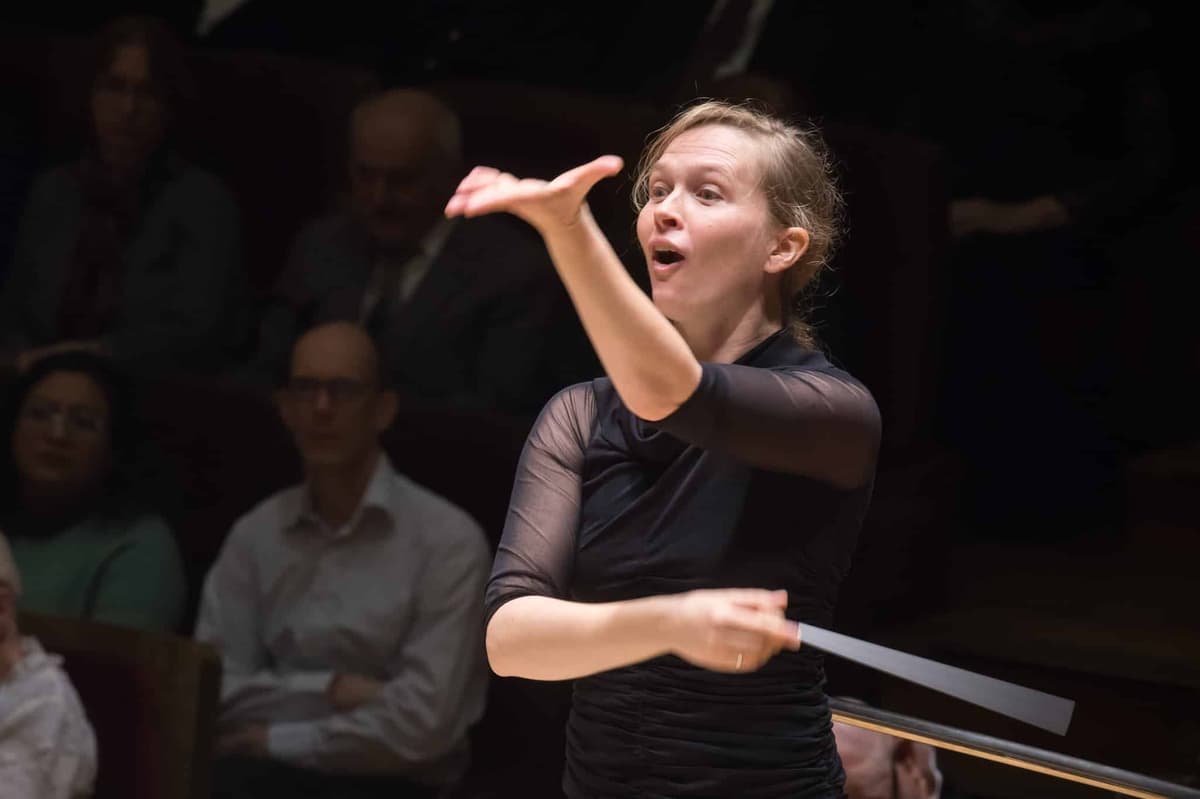
- •Giedrė Šlekytė appointed RSNO music director, first Lithuanian in role
- •Asmik Grigorian tops demand as dramatic soprano worldwide
- •Lukas Geniušas’ rapid ascent expands Lithuanian presence in concert circuits
- •Lithuanian talent boosts Europe’s classical music diversity and audience appeal
Pulse Analysis
Lithuania’s rise in the classical music world reflects decades of robust state support for music education and a vibrant network of conservatories. Institutions such as the Lithuanian Academy of Music and Theatre have produced conductors, singers, and pianists who now command stages across Europe. This pipeline of talent is reinforced by government grants, international exchange programs, and a cultural ethos that prizes artistic excellence, allowing artists like Giedrė Šlekytė and Asmik Grigorian to transition seamlessly into high‑profile appointments.
For orchestras and opera houses, the influx of Lithuanian talent offers fresh artistic perspectives and a competitive edge in audience development. Conductors bring innovative programming that blends Baltic repertoire with mainstream works, while singers attract new demographics eager for distinctive vocal timbres. Financially, hiring rising stars can be cost‑effective compared with established marquee names, and their growing fan bases translate into higher ticket sales and streaming revenue. The Royal Scottish National Orchestra’s decision to appoint Šlekytė signals a broader industry trend of embracing emerging leaders who can revitalize institutional brands.
Looking ahead, Lithuania’s cultural ascendancy may deepen its diplomatic clout, positioning the country as a soft‑power hub in the arts. Continued success could spur increased tourism to Lithuanian festivals and encourage cross‑border collaborations, further integrating the Baltic region into the global classical circuit. As more Lithuanian musicians secure headline engagements, the nation’s artistic footprint will likely expand, reinforcing the notion that size does not limit cultural impact.
The year of Lithuanian ascendancy
Comments
Want to join the conversation?