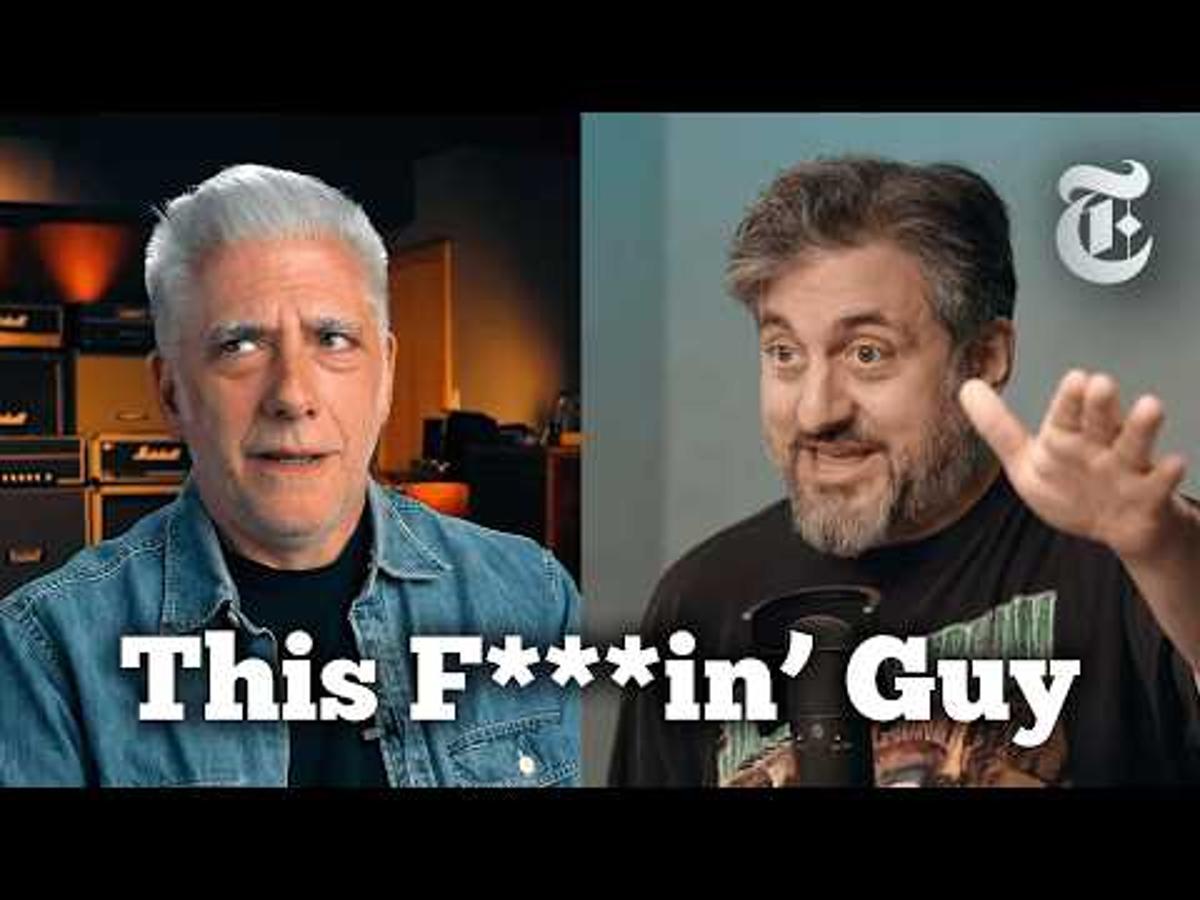
“These People’s Takes Are Absurd”: Rick Beato versus the NYT’s Music Critics
Key Takeaways
- •Rick Beato calls NYT's songwriter list 'pretentious' and 'absurd.'
- •NYT panel comprised Ivy League graduates without formal music degrees.
- •Beato mocks editor John Carmanica's dismissal of Billy Joel as hitmaker.
- •List includes legends like Dylan, Simon, plus controversial pick Bad Bunny.
- •Debate underscores tension between academic critics and practicing musicians.
Pulse Analysis
The controversy surrounding the New York Times’ "30 Greatest Living Songwriters" list underscores a perennial tension in music journalism: who gets to define artistic merit? While the Times assembled a panel of Ivy League‑educated critics, none held formal music degrees, prompting Rick Beato—a seasoned producer and educator—to question their authority. Beato’s nine‑minute video leverages humor and insider knowledge to argue that practical experience, not academic pedigree, should weigh heavily in evaluating songwriting, especially when the list mixes universally acclaimed icons with genre‑defying newcomers like Bad Bunny.
Beato’s critique also revives a longstanding debate about the definition of a "songwriter." NYT pop editor John Carmanica dismissed Billy Joel as merely a performer, sparking backlash from fans and musicians who point to Joel’s extensive catalog of chart‑topping hits and lyrical depth. By highlighting Joel’s hits—from "Piano Man" to "The Longest Time"—Beato illustrates how narrow criteria can marginalize artists whose work transcends conventional pop formulas. This dispute reflects broader industry conversations about genre fluidity, cultural relevance, and the evolving metrics used to assess creative impact.
For industry observers, the episode signals that traditional media outlets may need to recalibrate their evaluative frameworks. As streaming platforms democratize exposure and creators like Beato command massive online followings, the authority of legacy publications is increasingly challenged. Engaging both scholarly critique and practitioner insight could produce more nuanced rankings, fostering a richer dialogue about songwriting excellence that resonates with both critics and the listening public.
“These people’s takes are absurd”: Rick Beato versus the NYT’s music critics
Comments
Want to join the conversation?