This 1970 One-Hit Wonder Inadvertently Foreshadowed a Whole New Genre That Would Come 10 Years Later
Why It Matters
The single demonstrates how popular‑culture terminology can migrate from niche slang to a defining genre label, offering insight into music‑industry branding and cultural evolution. Recognizing such early signals helps analysts anticipate emerging trends before they become mainstream.
Key Takeaways
- •The Jaggerz's 'The Rapper' reached No. 2 on Billboard Hot 100.
- •Song used 1960s slang 'rap' meaning flirtatious talking.
- •Donnie Iris later joined Wild Cherry, another one‑hit wonder.
- •The track predated rap’s mainstream rise by a decade.
- •Early chart success highlights language crossover into future hip‑hop genre.
Pulse Analysis
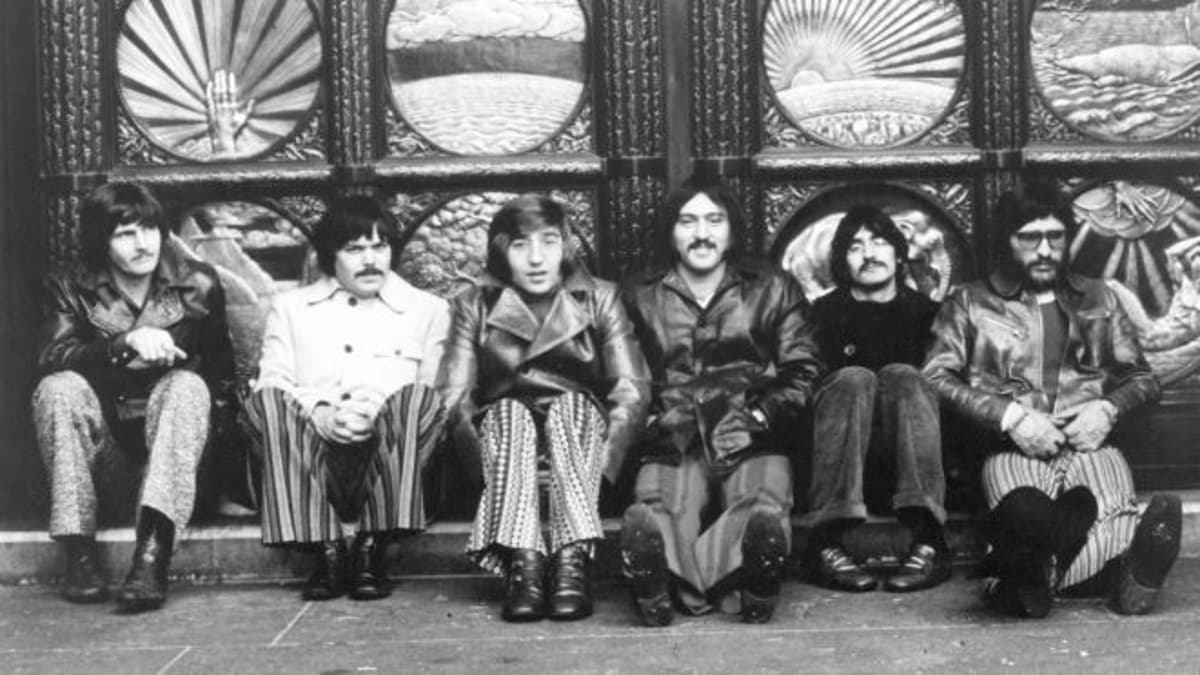
When The Jaggerz released their sophomore album *We Went To Different Schools Together* in early 1970, the single “The Rapper” surged to No. 2 on the Billboard Hot 100, a remarkable feat for a band whose overall record sales were modest. The song’s upbeat, harmony‑rich rock arrangement masked a lyrical hook that referenced a contemporary slang term—"rap"—used to describe smooth, flirtatious banter in nightclubs. This linguistic choice placed the track at a cultural crossroads, linking a mainstream pop hit to a word that would later become synonymous with an entirely new musical movement.
The 1960s slang meaning of "rap" predates the rhythmic spoken‑word style that emerged from the Bronx in the late 1970s. By embedding the term in a chart‑topping single, The Jaggerz unintentionally foreshadowed the lexical shift that would accompany hip‑hop’s rise. Music historians note that such early mainstream exposure helped normalize the word, easing its transition from street vernacular to a genre‑defining label. The song’s brief chart longevity—dropping to No. 45 by year‑end—mirrors the fleeting nature of many cultural touchstones that later gain historical significance.
From a business perspective, the story of “The Rapper” illustrates how one‑hit wonders can influence branding long after their commercial peak. Companies tracking emerging language trends can spot similar early adopters, turning niche slang into powerful marketing assets. Moreover, the subsequent paths of Donnie Iris and Wild Cherry underscore how talent migration can perpetuate a cycle of brief but impactful hits. For industry analysts, the case reinforces the value of monitoring chart data not just for sales, but for linguistic cues that may herald the next wave of consumer culture.
This 1970 One-Hit Wonder Inadvertently Foreshadowed a Whole New Genre That Would Come 10 Years Later
Comments
Want to join the conversation?
Loading comments...