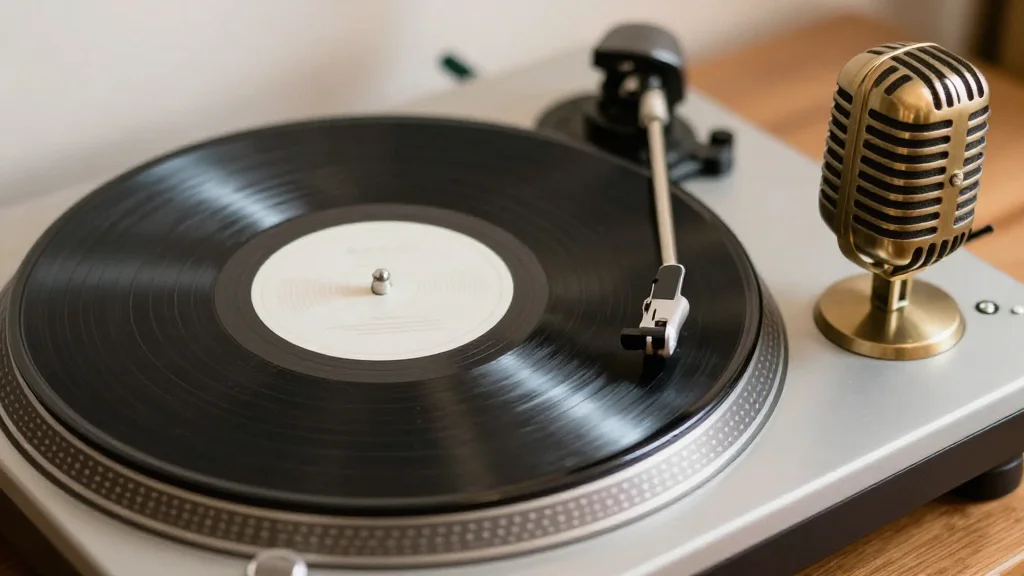
This Historian Dug Into Old Records and Found a Lost Chapter of Chicano L.A. Music Culture
Why It Matters
By documenting how African‑American R&B shaped Chicano identity, the book fills a scholarly gap and preserves community memory that mainstream histories have ignored. It underscores the importance of grassroots artifacts in reconstructing multicultural urban narratives.
Key Takeaways
- •Molina's new book uncovers 1950s Chicano R&B scene
- •78‑rpm record tags act as neighborhood time capsules
- •Black R&B artists shaped teen Chicano cultural identity
- •Project revives forgotten cross‑cultural musical heritage
Pulse Analysis
Los Angeles in the post‑World‑War II era was a cultural crossroads where Mexican‑American teens discovered African‑American rhythm and blues on cracked 78‑rpm records. While mainstream histories focus on the later Chicano rock explosion, Molina’s research shows that the earlier R&B influx provided the soundtrack for pachuco and cholo identities, linking neighborhoods from Frog Town to La Puente through shared dance halls, radio DJs, and record‑shop pilgrimages. By foregrounding these sonic exchanges, the book reframes the narrative of Latino cultural formation as inherently trans‑racial.
Molina’s methodology blends oral history with material culture, treating handwritten tags on record sleeves as micro‑archives of community affiliation. Each scrawl—"Kenny De Ontario" or "Victor De Pomona"—functions as a personal timestamp, preserving the geography of friendship networks that traditional archives overlook. The inclusion of over a hundred scanned labels and the newly commissioned "Plaquiasos" chapter demonstrates how visual artifacts can revive forgotten stories, offering scholars a template for integrating grassroots ephemera into academic discourse on urban music history.
The broader implications extend beyond academia. By spotlighting the Black origins of beloved Chicano musical traditions, the book invites contemporary artists and curators to acknowledge and celebrate cross‑cultural influences in today’s Latinx music scene. It also underscores the urgency of preserving fragile media—shellac discs, handwritten tags, and oral testimonies—before they vanish. As cultural institutions increasingly prioritize inclusive narratives, Molina’s work provides a compelling case study for how community‑driven preservation can enrich the collective memory of American popular music.
This historian dug into old records and found a lost chapter of Chicano L.A. music culture
Comments
Want to join the conversation?
Loading comments...