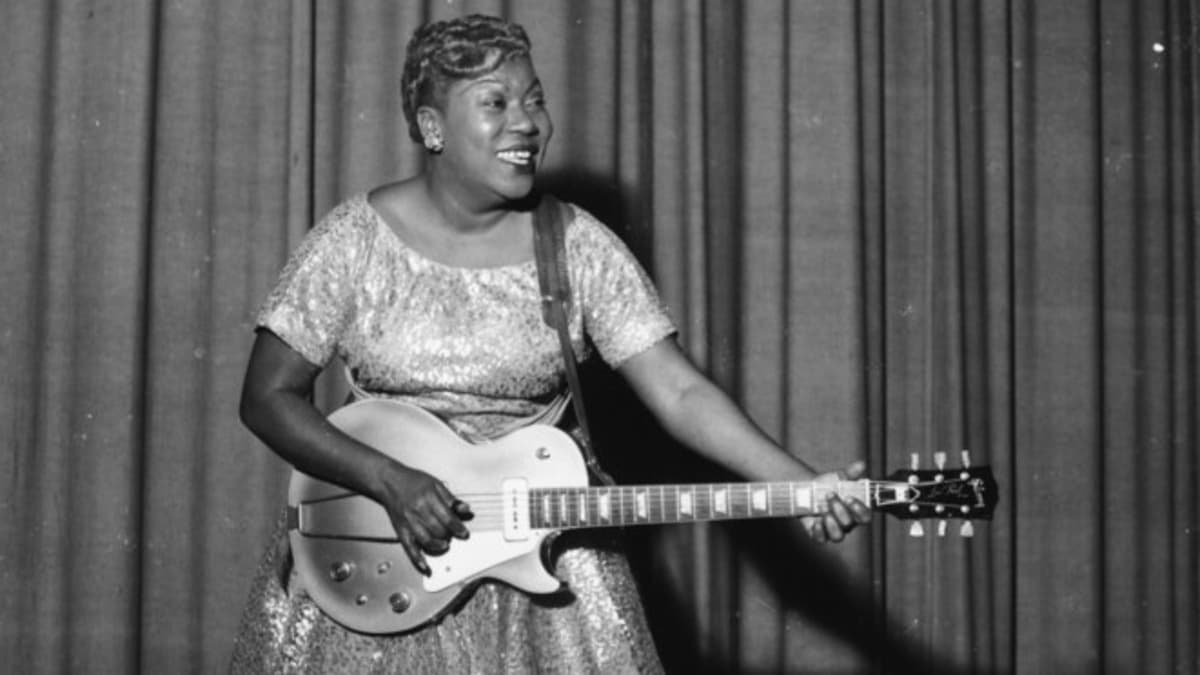
This Legendary Guitarist Might Have Had the World’s First Rock and Roll Stadium Wedding in 1951
Why It Matters
The stadium wedding illustrates how early rock pioneers used bold publicity stunts to break racial and gender barriers while reshaping music promotion tactics that still influence the industry today.
Key Takeaways
- •Tharpe’s 1951 wedding held at DC’s Griffith Stadium
- •Crowd estimated 20,000‑25,000, resembling a concert
- •Stunt revived her waning popularity and boosted record sales
- •Husband Russell Morrison later managed her career until 1973
Pulse Analysis
Sister Rosetta Tharpe’s influence on modern music extends far beyond her gospel roots. By the late 1940s she had already pioneered electric guitar distortion and stage showmanship, earning her the moniker "Godmother of Rock and Roll." Yet, like many trailblazers, her career faltered as musical tastes shifted. In 1951 she turned that challenge into an opportunity, staging a wedding at Griffith Baseball Stadium that attracted tens of thousands of onlookers, effectively converting a personal ceremony into a massive promotional event.
The stadium wedding was a calculated publicity stunt designed to re‑engage Tharpe’s African‑American fan base and capture mainstream attention. By inviting her backup singers as bridesmaids and performing for the crowd afterward, she blurred the lines between sacred ceremony and concert experience. The sheer scale—20,000 to 25,000 attendees—mirrored the burgeoning stadium shows that would later define rock’s live culture. The event not only boosted ticket sales and record interest but also positioned Tharpe as a savvy businesswoman who understood the power of spectacle in an era before television dominated music marketing.
Tharpe’s 1951 spectacle set a precedent for future rock icons who would use large‑venue events to cement their brand, from Elvis Presley’s televised performances to today’s stadium tours. Moreover, as a Black woman navigating a male‑dominated industry, her bold move challenged prevailing gender and racial norms, paving the way for artists who blend activism with entertainment. The legacy of that wedding underscores how innovative promotion can revive careers and shape cultural narratives, a lesson still relevant for musicians and marketers alike.
This Legendary Guitarist Might Have Had the World’s First Rock and Roll Stadium Wedding in 1951
Comments
Want to join the conversation?
Loading comments...