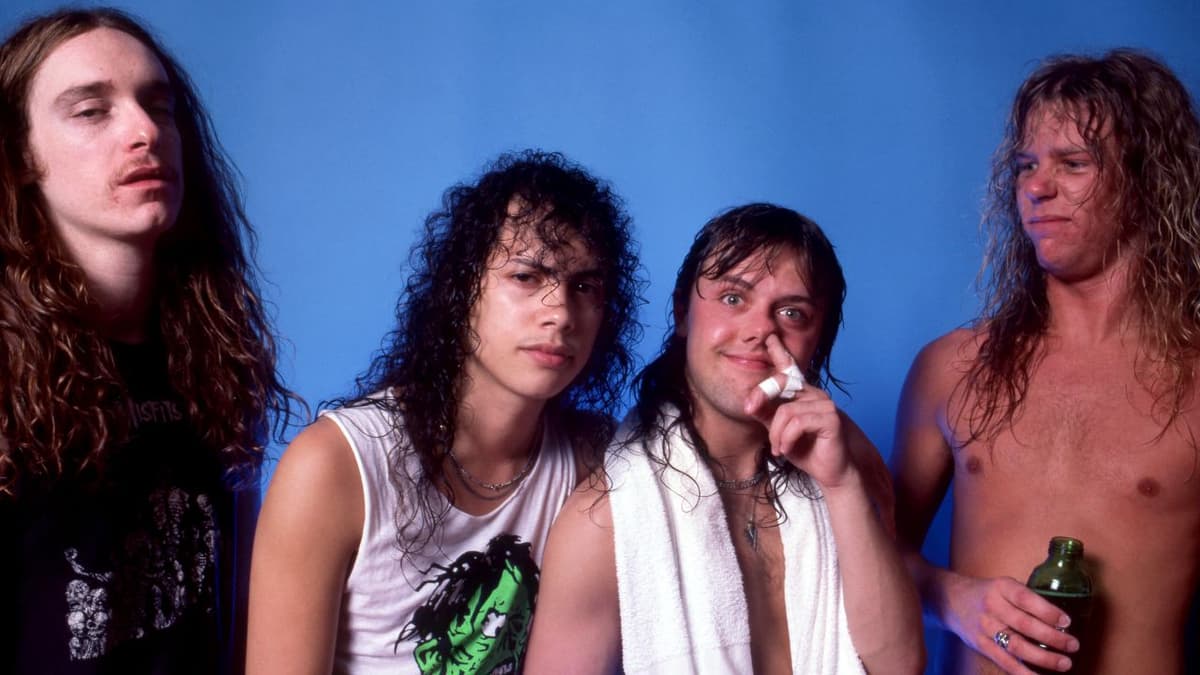
"This Was Something Else. I Could Feel It in Every Part of Me." What It Was Like Seeing Metal Legends Metallica in Their Early Days, According to Fellow Thrash Veteran and Death Angel Frontman Mark Osegueda
Why It Matters
Metallica’s early breakthroughs defined the sound and ambition of thrash metal, turning a regional movement into a worldwide phenomenon and setting a template for future metal acts.
Key Takeaways
- •Osegueda saw Metallica at 14, feeling the show’s visceral power
- •Ride the Lightning cemented Metallica as thrash’s elder statesmen
- •Kirk Hammett produced Death Angel’s demo, deepening band ties
- •Cliff Burton’s down‑to‑earth vibe left lasting fan connection
- •Ozzy tour slot marked Metallica’s shift from underground to mainstream
Pulse Analysis
The Bay Area in the early 1980s was a crucible for aggressive guitar work, and Metallica quickly emerged as its most visible ambassador. Mark Osegueda’s recollection of a teenage concert at Berkeley’s Keystone captures the raw, unfiltered energy that distinguished the band from peers. Those early shows were more than performances; they were communal rites that galvanized a generation of musicians who saw metal as a vehicle for personal and artistic expression.
When Metallica released Ride the Lightning in 1984, the album’s sophisticated songwriting and production raised the bar for thrash metal. Osegueda notes how the record’s intricate arrangements and melodic sensibility resonated across the scene, prompting bands to elevate their own craft. The connection deepened when guitarist Kirk Hammett, already a local legend, produced Death Angel’s demo, offering a tangible link between Metallica’s evolving sound and the next wave of talent. This mentorship underscored a collaborative ethos that helped the genre mature rapidly.
Metallica’s 1986 support slot on Ozzy Osbourne’s tour signaled a pivotal commercial breakthrough, demonstrating that extreme metal could thrive on mainstream stages. The tragic loss of bassist Cliff Burton later that year added a mythic layer to the band’s narrative, reinforcing their emotional bond with fans. Decades later, Master of Puppets remains a benchmark for aggression and composition, influencing everything from modern metalcore to progressive rock. The story Osegueda shares illustrates how a single band’s early momentum can reshape an entire musical landscape, a lesson still relevant for emerging artists today.
"This was something else. I could feel it in every part of me." What it was like seeing metal legends Metallica in their early days, according to fellow thrash veteran and Death Angel frontman Mark Osegueda
Comments
Want to join the conversation?
Loading comments...