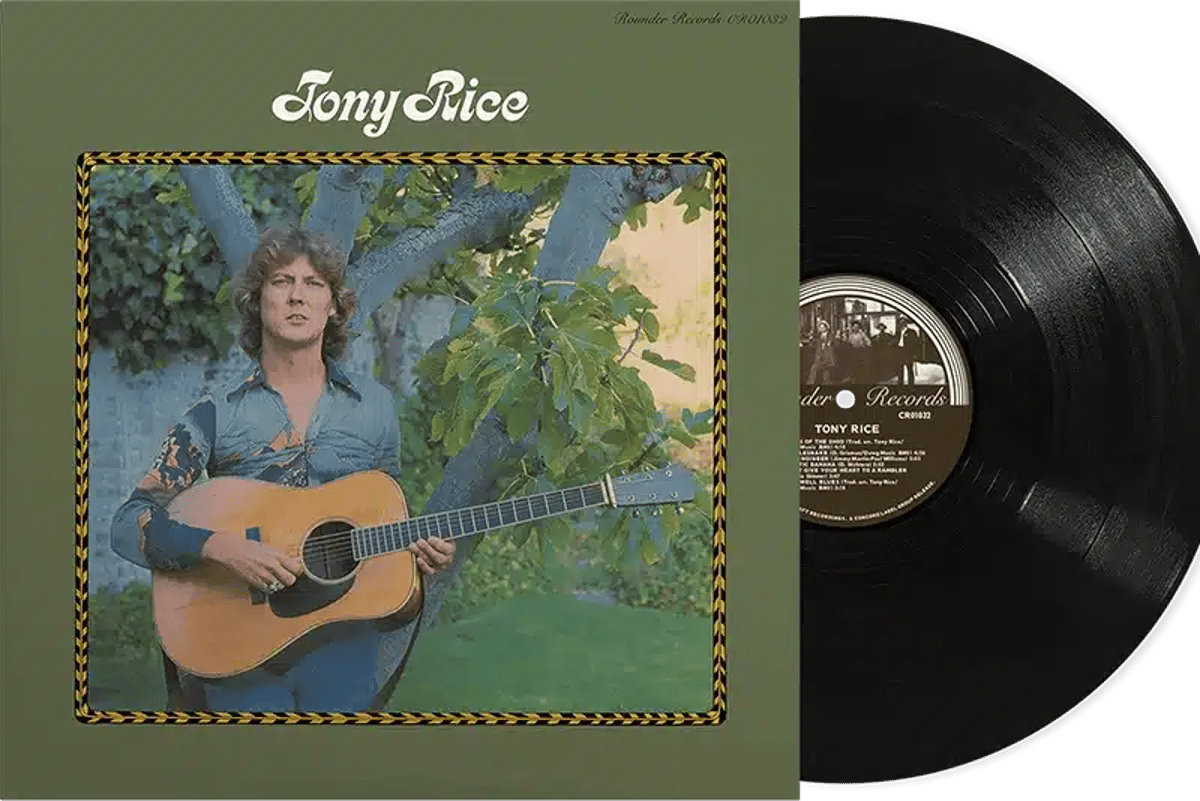
Tony Rice’s 1977 Album Marks a Key Moment in Bluegrass
Why It Matters
The reissue revives a pivotal bluegrass work, highlighting Tony Rice’s role in modernizing the genre and giving a new generation access to its roots. It underscores how legacy recordings can drive renewed interest and streaming revenue in niche music markets.
Key Takeaways
- •Reissue features Kevin Gray’s all‑analog mastering for pristine sound.
- •Album blends traditional Monroe tunes with new acoustic innovations.
- •Features bluegrass legends Jerry Douglas, David Grisman, Richard Greene.
- •Marks Tony Rice’s transition to solo leadership before Church Street Blues.
- •Available on vinyl and streaming for the first time in 40 years.
Pulse Analysis
Tony Rice’s 1977 self‑titled album arrives anew at a time when legacy vinyl releases are reshaping music consumption. The meticulous all‑analog mastering by Kevin Gray delivers a warm, detailed sound that rivals modern recordings, making the record appealing to audiophiles and streaming listeners alike. By releasing the album on both vinyl and digital platforms, the label taps into the resurgence of physical media while capitalizing on the convenience of streaming, expanding the album’s reach beyond the niche bluegrass community.
Musically, the record epitomizes the “new acoustic” style that emerged in the late 1970s, marrying Bill Monroe’s traditional repertoire with progressive arrangements. Tracks like “Rattlesnake,” penned by mandolinist David Grisman, shift meters and tempos, showcasing the genre’s evolving complexity. Guest musicians—dobro master Jerry Douglas, fiddler Richard Greene, and Grisman himself—provide virtuosic yet measured performances that foreshadow the polished sounds of later acts such as Alison Krauss and Nickel Creek. This blend of reverence and innovation positions the album as a bridge between bluegrass’s roots and its contemporary offshoots.
For the business side, the reissue demonstrates how catalog exploitation can generate fresh revenue streams. By aligning the launch with Rice’s 75th birthday, the marketing narrative taps into nostalgia while attracting younger listeners exploring Americana and folk playlists. The dual-format strategy also mitigates risk: vinyl sales often command premium pricing, whereas streaming ensures ongoing royalties. Ultimately, the album’s revival reinforces Tony Rice’s enduring influence and illustrates the commercial viability of thoughtfully curated heritage releases in today’s music ecosystem.
Tony Rice’s 1977 Album Marks a Key Moment in Bluegrass
Comments
Want to join the conversation?
Loading comments...