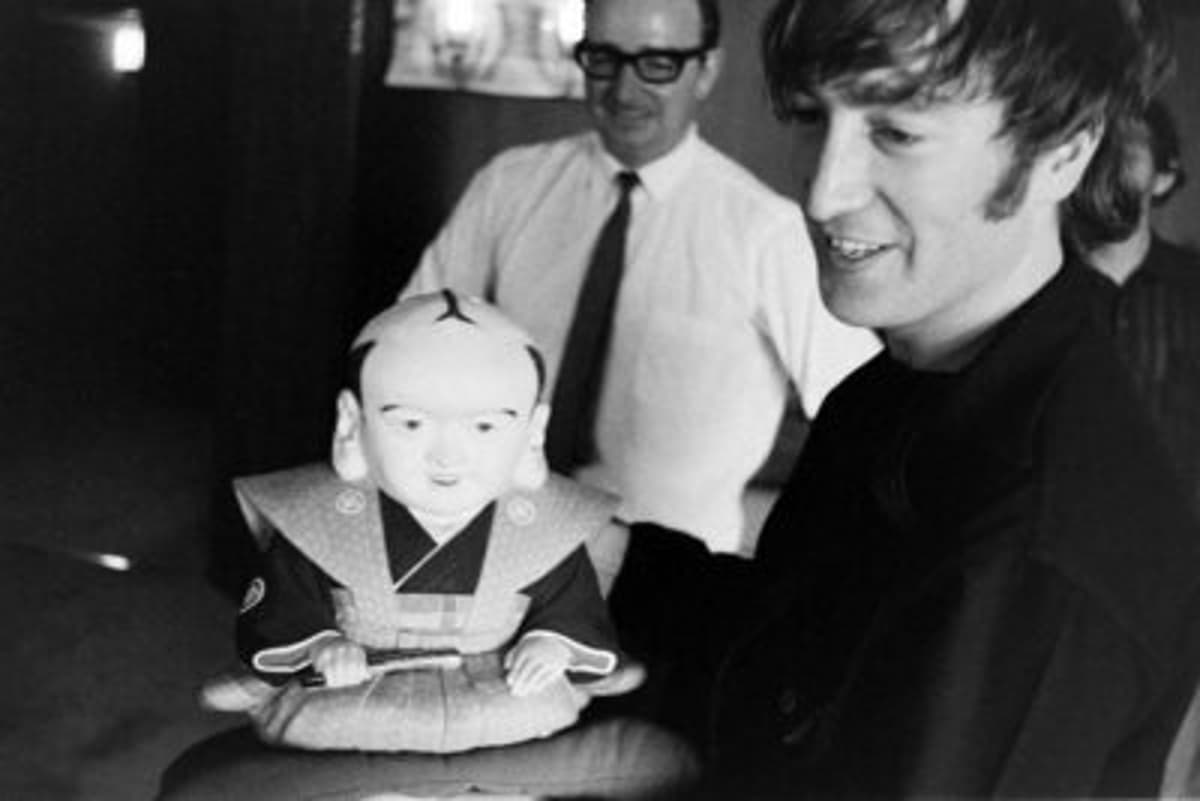
Unreleased Photos From Beatles' 1966 Japan Concerts Verified
Why It Matters
The release provides fresh visual material for scholars and fans, deepening understanding of the Beatles’ cultural impact in Asia. It also reinforces Budokan’s legacy as a premier stage that launched iconic international acts.
Key Takeaways
- •102 never‑published Beatles photos authenticated by Budokan
- •Images include John Lennon with traditional Fukusuke doll
- •Photographer remains unknown; negatives found in 2009 archive
- •Photos link to Sgt. Pepper album cover inspiration
- •Discovery enhances Budokan’s historic music venue reputation
Pulse Analysis
The Beatles’ three‑day stint at Tokyo’s Nippon Budokan in June‑July 1966 marked the first time a Western rock group performed in a venue traditionally reserved for martial arts and classical concerts. The concerts attracted massive media attention, drawing crowds of over 10,000 per night and cementing Japan’s appetite for Beatlemania. At the time, the Budokan’s conversion into a pop‑music arena was controversial, yet the shows proved a watershed moment that opened the Japanese market to future global acts such as The Rolling Stones and David Bowie.
The newly authenticated negatives add a visual layer to that historic narrative, offering scholars rare candid shots that were never published in contemporary newspapers or magazines. Among the frames, John Lennon’s playful interaction with a Fukusuke doll stands out, a detail that later resurfaced on the cover of the 1967 Sgt. Pepper’s Lonely Hearts Club Band album. Such connections illustrate how the Beatles absorbed Japanese motifs and re‑interpreted them for Western audiences, reinforcing the tour’s role as a two‑way cultural exchange rather than a one‑sided performance.
The discovery underscores the commercial and scholarly value of preserving entertainment archives. As the Budokan prepares for the 60th‑anniversary commemorations, the images are likely to be featured in exhibitions and digital releases, generating renewed interest and potential licensing revenue. For the broader music‑industry ecosystem, the find highlights how untapped visual assets can fuel nostalgia‑driven marketing, support documentary projects, and enhance brand storytelling for legacy artists. It also serves as a reminder that institutions worldwide should regularly audit their collections, as hidden gems can reshape cultural histories.
Unreleased photos from Beatles' 1966 Japan concerts verified
Comments
Want to join the conversation?
Loading comments...