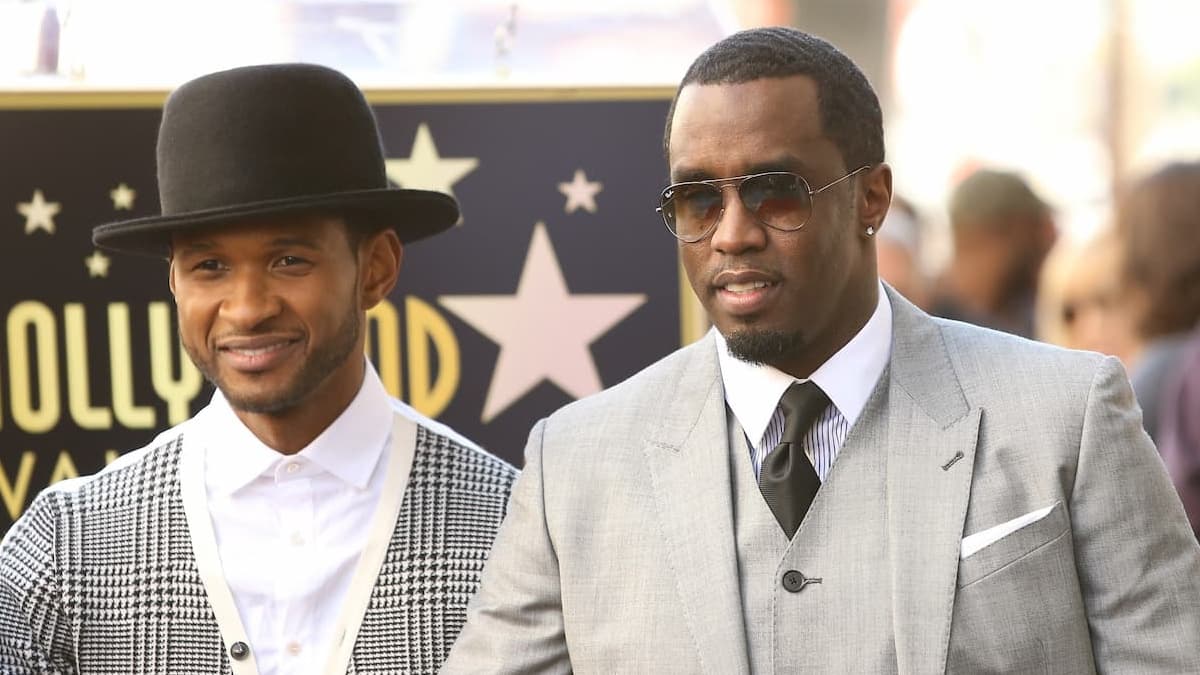
Usher Reveals What Working With Diddy Was Really Like (And Why He Doesn’t Regret the ‘Hardest Days’ of His Life)
Why It Matters
The story underscores how veteran moguls can accelerate an artist’s career while also raising questions about separating cultural contributions from personal conduct, a debate that resonates across the entertainment industry.
Key Takeaways
- •Diddy executive‑produced Usher’s 1994 debut album
- •Usher called those early years “the hardest days”
- •He credits Diddy for teaching music‑business fundamentals
- •Usher says Diddy’s legacy outweighs personal flaws
- •Mentorship shaped how Black culture is monetized today
Pulse Analysis
Usher’s recollection of his early partnership with Sean Combs offers a rare glimpse into the backstage dynamics of 1990s hip‑hop entrepreneurship. Sent to Diddy’s New York loft as a teenager, the R&B singer witnessed a whirlwind of studio sessions, high‑profile parties, and an environment where sexual experimentation was commonplace. While the atmosphere was undeniably chaotic, Diddy’s role as executive producer on Usher’s self‑titled debut provided the young artist with a platform that catapulted him into mainstream success, illustrating how strategic mentorship can fast‑track talent in a saturated market.
Beyond the music, Usher highlights how Diddy pioneered the monetization of Black cultural capital. By translating street credibility into lucrative brand deals, fashion lines, and media ventures, Combs demonstrated a blueprint for turning cultural influence into diversified revenue streams. Usher’s acknowledgment of these lessons reflects a broader trend where emerging artists seek business acumen alongside artistic development, recognizing that sustainable careers now hinge on entrepreneurship as much as on chart performance.
The interview also fuels the ongoing conversation about legacy versus personal conduct. While Diddy faces longstanding abuse allegations, Usher argues that his contributions to Black entrepreneurship and cultural economics remain significant. This stance mirrors a larger industry reckoning: stakeholders must balance the economic impact of influential figures with ethical considerations. As the music business continues to evolve, the Usher‑Diddy narrative serves as a case study for how mentorship, cultural monetization, and reputational risk intersect in shaping the next generation of artists and executives.
Usher Reveals What Working With Diddy Was Really Like (And Why He Doesn’t Regret the ‘Hardest Days’ of His Life)
Comments
Want to join the conversation?
Loading comments...