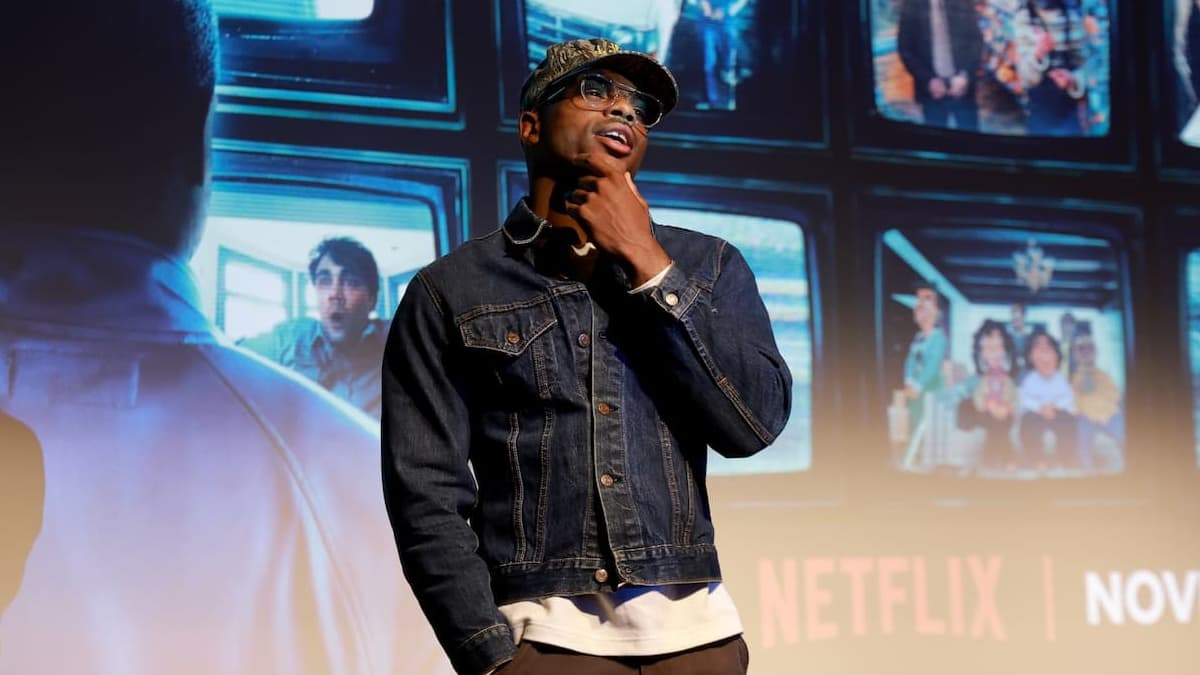
Vince Staples Explains How Rappers Are the New Rockstars: ‘Hip-Hop Culture Is Popular Culture’
Why It Matters
Hip‑hop’s ascendancy reshapes branding, advertising, and revenue models, making rappers the new cultural gatekeepers for businesses seeking relevance. Understanding this shift is essential for investors and marketers targeting the most influential consumer segment.
Key Takeaways
- •Hip‑hop now defines mainstream cultural trends
- •Rappers are the primary influencers for fashion and lifestyle
- •Brands shift ad spend toward rap‑centric campaigns
- •Music streaming revenues increasingly driven by hip‑hop releases
- •Industry metrics now prioritize hip‑hop chart performance
Pulse Analysis
The transition from rock to hip‑hop as the cultural bellwether reflects broader changes in media consumption and demographic power. In the early 2000s, rock icons like Axl Rose and Gene Simmons symbolized rebellion, but their influence waned as streaming platforms democratized music discovery. Vince Staples’ 2015 commentary captures this pivot, noting that today’s "rock stars" are rappers whose lyrical narratives and visual aesthetics dominate social feeds, festivals, and even luxury collaborations. This cultural realignment underscores hip‑hop’s role as a lingua franca for Gen Z and Millennials, who drive the majority of discretionary spending.
For marketers, the implication is clear: aligning with hip‑hop talent yields higher engagement and brand affinity. Companies from apparel to tech have reallocated budgets to sponsor tours, co‑create limited‑edition drops, and embed rap references in ad copy. The genre’s cross‑platform reach—spanning TikTok challenges, YouTube streams, and viral memes—offers measurable ROI that traditional rock partnerships no longer provide. Moreover, the production techniques Staples mentions, such as trap‑driven beats, now infiltrate pop, R&B, and even country, blurring genre lines and expanding the audience for hip‑hop‑centric campaigns.
Looking ahead, investors should monitor metrics that capture hip‑hop’s market penetration, including streaming playlist placements, sync licensing deals, and merchandise sales tied to rap artists. As the genre continues to dictate fashion trends and digital culture, its influence will likely deepen, reshaping everything from chart algorithms to venture capital allocations in music tech. Recognizing rappers as the new cultural arbiters equips businesses to anticipate consumer shifts and capitalize on the most potent driver of popular culture today.
Vince Staples Explains How Rappers Are the New Rockstars: ‘Hip-Hop Culture Is Popular Culture’
Comments
Want to join the conversation?
Loading comments...