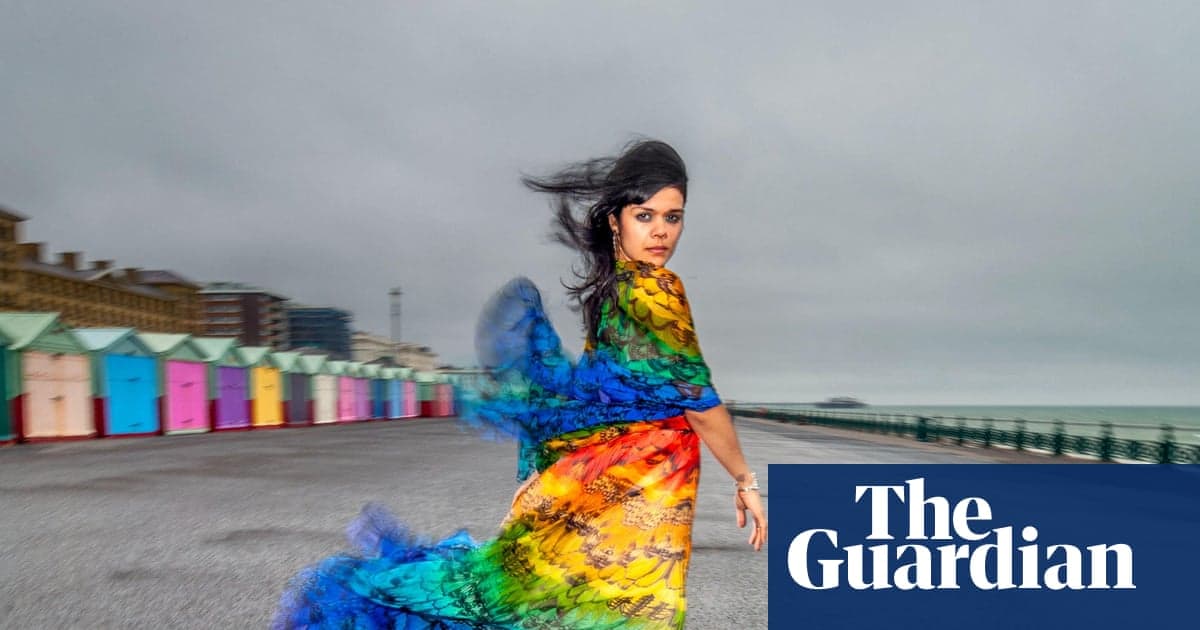
‘We Wanted to Put a Mark on the World’: The Sweaty, Singular Indie Music Scene of Early-00s Brighton
Why It Matters
Brighton's model shows how a dense network of low‑cost venues and inclusive promoters can launch global talent, offering a blueprint for other mid‑size cities seeking cultural and economic revitalisation.
Key Takeaways
- •Free Butt and Lift hosted breakthrough indie shows
- •Women promoters Lisa Lout and Anna Moulson shaped the scene
- •Bands like Bat for Lashes, Sea Power, Pipettes emerged
- •Rising rents in 2010s forced venues to close
- •Brighton's eclectic mix proved a model for sustainable music ecosystems
Pulse Analysis
The early‑2000s Brighton indie boom was less a genre than a geography. Small pubs and repurposed spaces—most famously the Free Butt, the Lift and the Lift’s Club Sea Power nights—offered cheap stages where bands could experiment without commercial pressure. This physical proximity created a feedback loop: musicians bumped into each other on the street, swapped ideas, and audiences tasted a constantly shifting lineup. The result was a mosaic of sounds, from the moody motorik of Electrelane to the ethereal pop of Bat for Lashes, each gaining national press and record contracts.
A distinctive feature of the Brighton ecosystem was its gender‑balanced leadership. Promoters Lisa Lout, who has overseen the Great Escape festival for two decades, and Anna Moulson, responsible for the Strokes’ first UK gig, deliberately cultivated inclusive line‑ups and gave space to female‑fronted acts like the Pipettes. Their grassroots approach attracted media attention, spawning short‑lived but influential publications such as Careless Talk Costs Lives, which championed female writers and bands. This inclusive culture not only diversified the soundscape but also challenged the broader UK music industry’s boys‑club reputation, positioning Brighton as a progressive incubator for talent.
The scene’s decline underscores the fragility of creative districts. As property values surged in the 2010s, affordable flats, rehearsal rooms, and independent record stores vanished, forcing venues like the Free Butt to close. Artists migrated southward to Margate, Ramsgate and later Folkestone, seeking the cheap, communal spaces that once defined Brighton. The city’s experience offers a cautionary tale: without policy safeguards for low‑cost cultural infrastructure, even the most vibrant ecosystems can erode, taking with them the economic and social benefits of a thriving music scene.
‘We wanted to put a mark on the world’: the sweaty, singular indie music scene of early-00s Brighton
Comments
Want to join the conversation?
Loading comments...