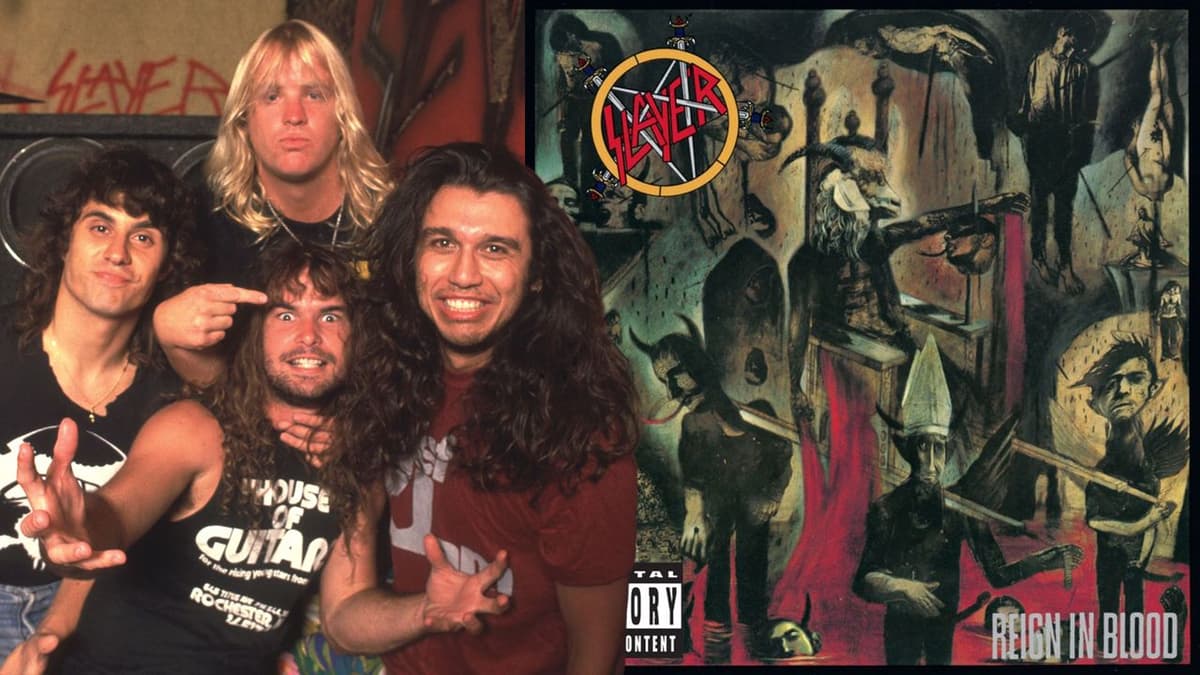
“We Weren’t After Our Version of Iron Maiden’s Eddie, but It Needed to Be Striking.” The Story Behind Slayer's Grim Reign In Blood Album Artwork
Why It Matters
The iconic cover amplified Slayer’s brand, proving that visual storytelling can elevate a record’s cultural impact and drive genre‑defining longevity.
Key Takeaways
- •Slayer hired Larry W. Carroll for original Reign In Blood cover art.
- •Steve Byram merged comics and horror to create iconic sleeve.
- •Def American’s rap‑rock focus gave Slayer broader market exposure.
- •Cover’s shock value reinforced thrash metal’s extreme aesthetic.
- •Album’s visual identity contributed to its lasting classic status.
Pulse Analysis
When *Reign In Blood* hit shelves in 1986, Slayer was already a rising force in thrash metal, but the partnership with Def American and producer Rick Rubin catapulted them into mainstream consciousness. Rubin’s crisp, aggressive production stripped away excess, delivering songs that felt like sonic artillery. This sonic shift demanded a visual counterpart that could convey the album’s relentless energy, prompting the band to seek an artwork that would be as unforgettable as the music itself.
The band turned to New York illustrator Larry W. Carroll, who submitted two distinct paintings inspired by the title track’s hellish imagery. Rather than choosing one, Slayer asked Carroll to fuse the pieces, creating a single, nightmarish tableau. Designer Steve Byram—renowned for the Beastie Boys’ *Licensed To Ill* cover—then applied his graphic‑comic sensibility, layering cartoonish horror elements that resonated with the era’s underground aesthetic. The result was a cover that felt both visceral and theatrical, instantly signaling the album’s extreme content to fans and newcomers alike.
Beyond its shock value, the *Reign In Blood* sleeve demonstrated how powerful album art can become a brand asset. The image reinforced Slayer’s reputation for unapologetic aggression, influencing countless metal releases that followed. In an industry where streaming now dominates, the legacy of such iconic packaging reminds artists and labels that a compelling visual narrative still drives fan engagement, merchandise sales, and cultural relevance. The cover’s enduring appeal underscores the symbiotic relationship between sound and sight in building a timeless musical legacy.
“We weren’t after our version of Iron Maiden’s Eddie, but it needed to be striking.” The story behind Slayer's grim Reign In Blood album artwork
Comments
Want to join the conversation?
Loading comments...