Why It Matters
Virtuosity shapes audience expectations and programming choices, influencing how orchestras and venues market classical concerts. Recognizing the trade‑off between technical brilliance and expressive substance helps the industry nurture talent that sustains long‑term engagement.
Key Takeaways
- •Danish Girls Choir and String Quartet delivered razor‑sharp ensemble precision
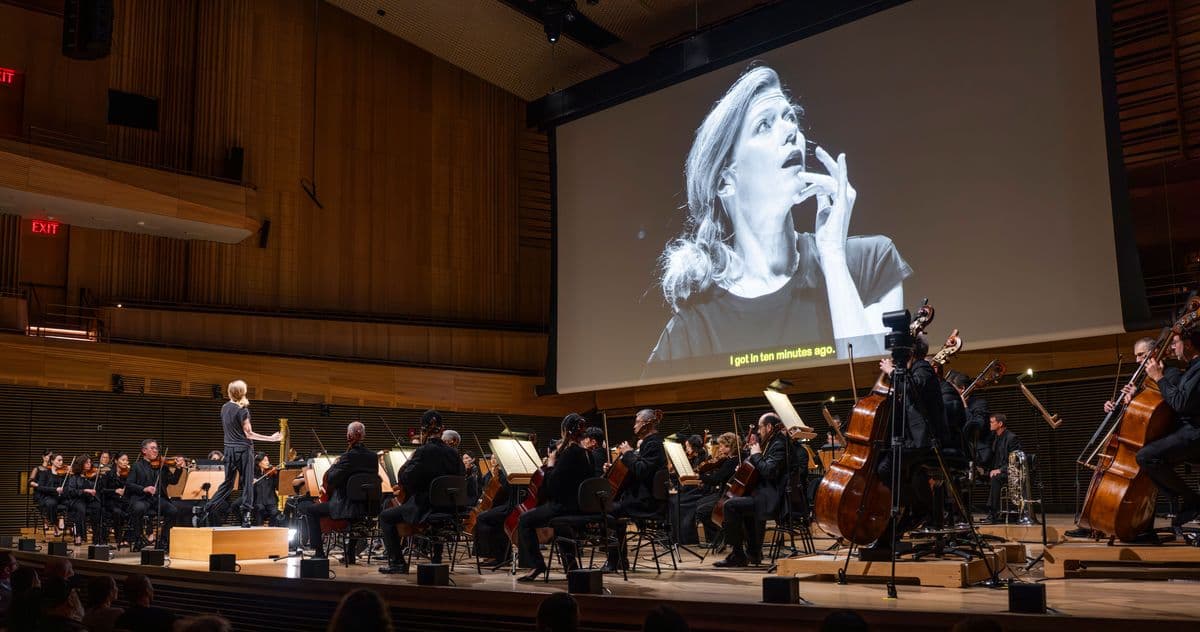
- •Barbara Hannigan sang and conducted simultaneously, using mic and video projection
- •Yunchan Lim’s rapid Scriabin renditions showcased technical brilliance but strained musical nuance
- •Critics warn virtuosity can eclipse emotional depth, urging balanced artistic choices
Pulse Analysis
The concept of virtuosity has evolved from a 19th‑century celebration of flawless technique to a modern litmus test for artistic relevance. Audiences now expect performers to combine speed, precision, and theatrical flair, while critics demand that technical feats serve a deeper narrative. This tension drives programming directors to curate concerts that showcase both dazzling skill and compelling storytelling, ensuring that virtuosity does not become a hollow spectacle.
At recent venues, the Danish National Girls Choir paired with the Danish String Quartet to deliver a meticulously synchronized performance that highlighted collective discipline over individual showmanship. In contrast, Barbara Hannigan’s dual role as soprano and conductor at the New York Philharmonic leveraged live‑mic amplification and a giant video feed, turning a solitary operatic monodrama into a multimedia experience. Yunchan Lim’s rapid-fire Scriabin sonatas at Carnegie Hall demonstrated astonishing finger agility, yet some listeners felt the emotional subtleties of the repertoire were sacrificed for sheer velocity.
For the classical music market, these examples underscore a strategic crossroads. Promoters must balance the draw of headline‑making virtuosos with the risk of alienating listeners who crave emotional connection. Educational institutions are likewise adapting curricula to nurture versatility—encouraging singers to explore conducting, pianists to develop interpretive depth, and ensembles to prioritize cohesion. As the industry leans into immersive technologies and cross‑disciplinary collaborations, the most successful artists will be those who wield technical mastery as a conduit for authentic expression, not as an end in itself.
What Can’t a Virtuoso Do?
Comments
Want to join the conversation?
Loading comments...