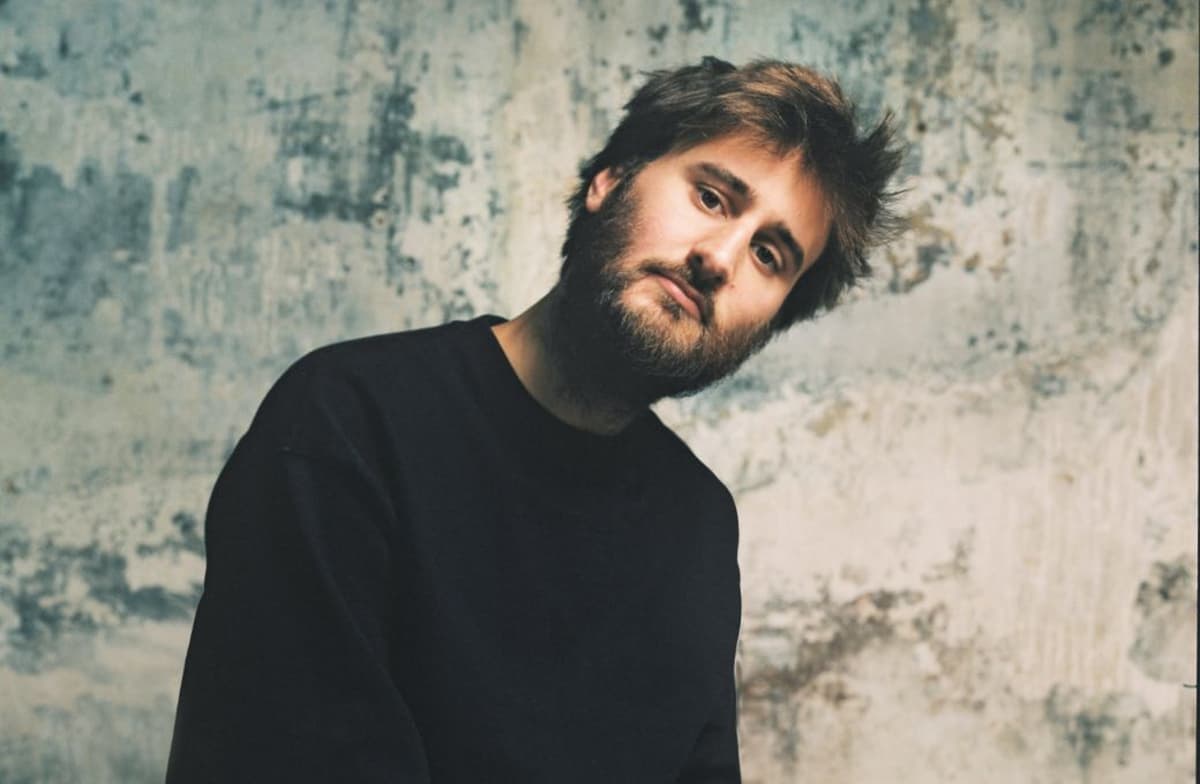
When Does Bach Cease To Be Bach? Or, What The Hell Did Jean Rondeau Do To The Goldberg Variations?
Why It Matters
By reimagining a canonical work across eras and ensembles, Rondeau demonstrates how historic repertoire can inspire fresh compositional voices and attract diverse audiences, reshaping modern classical programming.
Key Takeaways
- •Rondeau presents Goldberg Variations in three distinct formats
- •UNDR reinterprets Bach’s structure with piano, percussion, electronics
- •Baroque ensemble version highlights hidden contrapuntal voices
- •Project blurs lines between performer, composer, improviser
- •Demonstrates Bach’s adaptability across centuries and genres
Pulse Analysis
Bachfest Schaffhausen’s 2026 program pushes the boundaries of tradition by featuring Jean Rondeau’s triple‑take on the Goldberg Variations. While the solo harpsichord rendition honors Bach’s original intent, the Baroque chamber version—scored for traverso flute, violin, viola da gamba, harpsichord and organ—exposes inner contrapuntal lines that can be lost in a single‑instrument texture. This arrangement aligns with eighteenth‑century practices of transcription, offering listeners a clearer view of the work’s intricate canons and melodic interplay.
The third incarnation, UNDR, abandons literal quotation in favor of structural homage. Rondeau and percussionist Tancrède Kummer construct thirty successive tableaux that mirror the variation sequence’s architecture while introducing piano, electronic sound design and improvisational passages. This approach treats Bach’s framework as a compositional scaffold, allowing contemporary timbres and spontaneous gestures to coexist. By positioning himself simultaneously as interpreter, composer and improviser, Rondeau challenges the conventional hierarchy between historic fidelity and modern creation, suggesting that the act of performance itself can be a compositional act.
Rondeau’s experiment signals a broader shift in classical programming: canonical works are no longer static museum pieces but living templates for cross‑genre dialogue. Audiences encounter familiar material through new sonic lenses, fostering deeper engagement and expanding the market for innovative concert experiences. As festivals seek relevance in a digital age, projects like UNDR illustrate how reverence for the past can coexist with forward‑looking artistic risk, ensuring that Bach’s music remains a dynamic force in contemporary culture.
When Does Bach Cease To Be Bach? Or, What The Hell Did Jean Rondeau Do To The Goldberg Variations?
Comments
Want to join the conversation?
Loading comments...