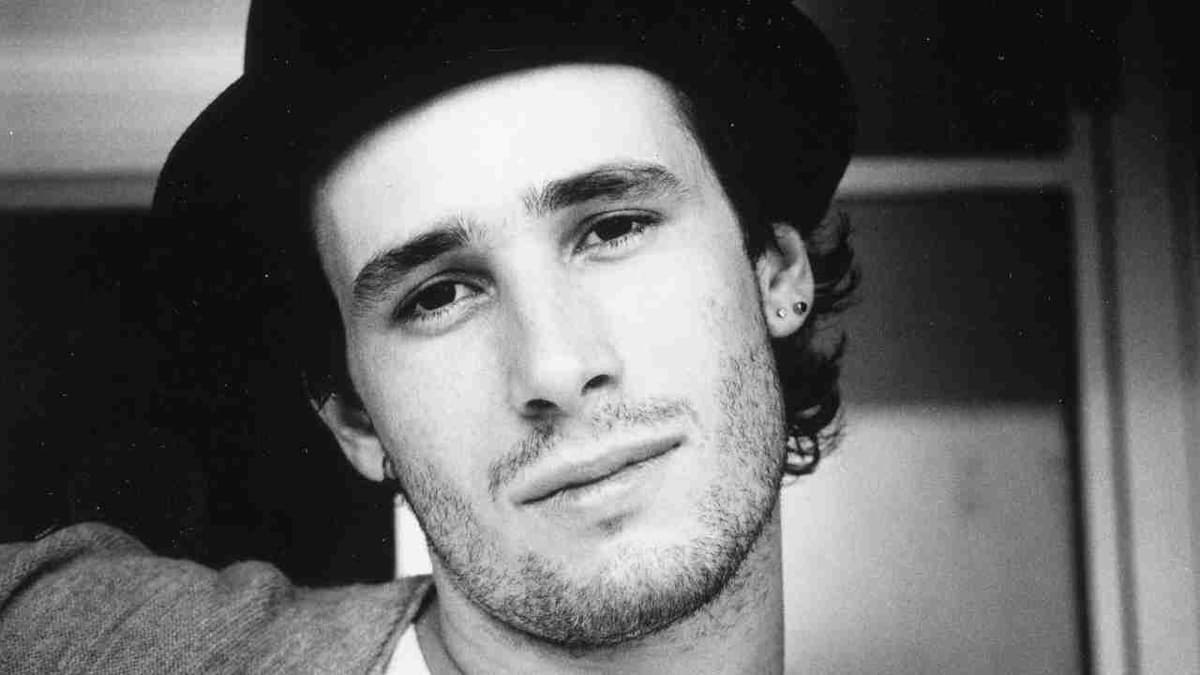
“Whoever Listens Closely to Hallelujah Will Discover that It Is a Song About Sex, About Love, About Life on Earth”: How Jeff Buckley Turned a Canadian Troubadour’s Forgotten Song Into a One-Man Tour De Force – and Launched a Million Bad Cover Versions
Why It Matters
Buckley’s reinterpretation shows how a single artistic vision can redefine a composition’s legacy, driving massive commercial and cultural ripple effects across the music industry.
Key Takeaways
- •Buckley's 1994 rendition eclipsed Cohen's original
- •Sensual guitar arrangement redefined song's emotional tone
- •Sparked over 300 recorded cover versions worldwide
- •Became cultural touchstone after Buckley's 1997 death
- •Influenced TV, film, and talent-show performances
Pulse Analysis
Leonard Cohen first released “Hallelujah” on his 1984 album *Various Positions*, a lyrical meditation steeped in biblical imagery and personal yearning. Though praised by critics, the original’s synth‑laden production and subdued vocal delivery limited its mainstream reach, relegating it to a cult favorite among songwriters. The song’s complex structure—over 80 verses drafted by Cohen—provided fertile ground for reinterpretation, yet it remained largely under‑exposed until a new voice reimagined it.
When Jeff Buckley recorded his version for the 1994 album *Grace*, he stripped away the dated synths and introduced a delicate, breathy intro followed by an expressive electric‑guitar solo. Buckley framed the lyrics as an ode to sensuality and earthly love, a perspective that resonated deeply during the post‑grunge era when audiences craved raw emotional honesty. His untimely death in 1997 amplified the track’s poignancy, turning it into a posthumous anthem that radio programmers and playlist curators quickly embraced. The performance’s haunting intimacy set a new benchmark for cover artistry, encouraging other musicians to explore the song’s emotional layers.
The ripple effect has been extraordinary: more than 300 recorded covers now exist, ranging from reality‑show renditions to indie reinterpretations, each generating publishing royalties and sync‑license revenue. “Hallelujah” has become a go‑to choice for film soundtracks, TV dramas, and advertising, reinforcing the economic power of a well‑crafted song when re‑contextualized. Buckley’s version illustrates how a single, compelling reinterpretation can revitalize a catalog, expand its audience, and create enduring cultural capital that benefits songwriters, performers, and rights holders alike.
“Whoever listens closely to Hallelujah will discover that it is a song about sex, about love, about life on earth”: How Jeff Buckley turned a Canadian troubadour’s forgotten song into a one-man tour de force – and launched a million bad cover versions
Comments
Want to join the conversation?
Loading comments...