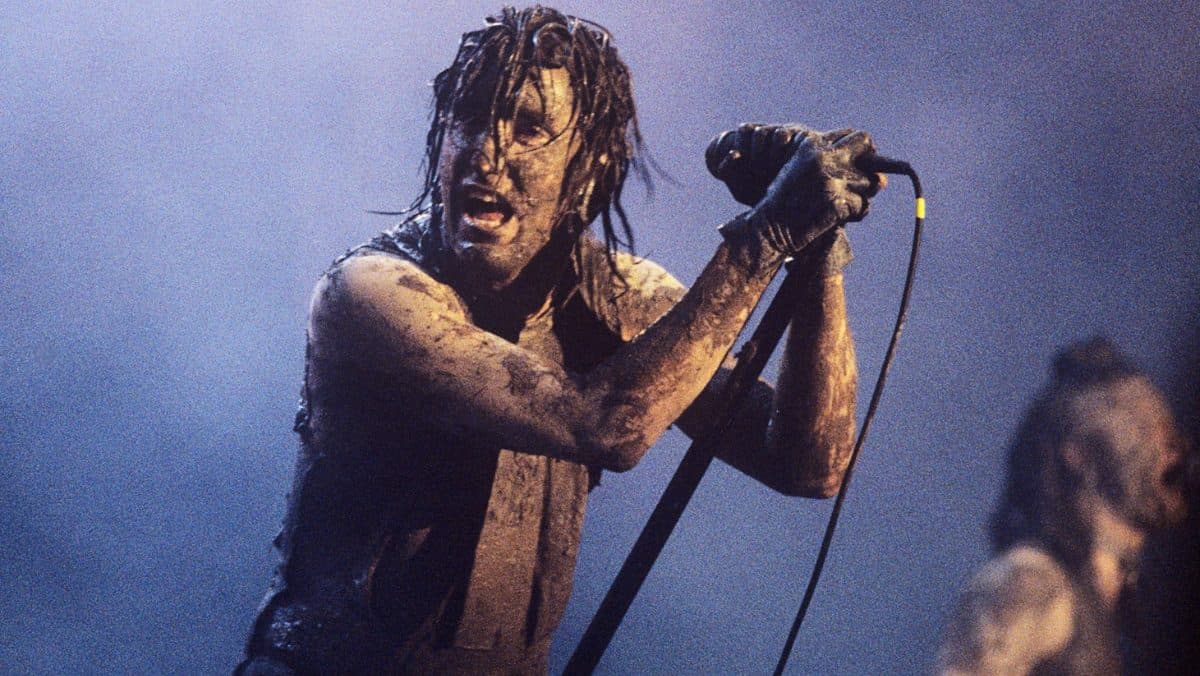
Why Trent Reznor Felt Like Nine Inch Nails Was ‘Some P**** Pop Band’ Compared to an Industrial Metal Legend
Why It Matters
The anecdote reveals how early peer validation—or lack thereof—can steer an artist’s confidence and artistic direction, offering insight into the cultural dynamics of the industrial metal scene.
Key Takeaways
- •Reznor met Al Jourgensen at Chicago Tracks studio
- •He sang on 1000 Homo DJs' Black Sabbath cover
- •Reznor felt intimidated, likening NIN to pop band
- •Experience reshaped his creative confidence
Pulse Analysis
The early 1990s industrial metal landscape was dominated by heavyweight acts like Ministry, whose founder Al Jourgensen set a benchmark for sonic aggression and underground credibility. When a young Trent Reznor stepped into Jourgensen’s Chicago Tracks studio, he entered a world where authenticity was measured by raw intensity rather than commercial appeal. This encounter, now recounted in a VICE interview, underscores the hierarchical nature of the genre, where emerging artists often measured themselves against established legends to gauge their own legitimacy.
Reznor’s brief stint with Jourgensen’s side‑project, 1000 Homo DJs, placed him on a Black Sabbath cover that has since become a cult favorite among fans. Providing vocals for the track, he experienced firsthand the pressure of performing alongside seasoned metal veterans. The self‑critical reaction—viewing Nine Inch Lives as a "pop‑band wannabe"—highlights the psychological impact of peer comparison, a dynamic that can both motivate and inhibit artistic growth. Such moments illustrate how collaboration can serve as a crucible for refining an artist’s sound and identity.
Beyond personal anecdotes, the story reflects broader industry themes: the tension between underground credibility and mainstream success, and how early validation can influence long‑term brand positioning. Reznor’s eventual comfort with his own creative voice, cultivated after years of introspection, contributed to Nine Inch Lives’ evolution from niche act to global powerhouse. For business leaders and music executives, the lesson is clear—authentic peer endorsement can be a catalyst for brand differentiation, but sustained confidence must be nurtured internally to translate artistic integrity into commercial longevity.
Why Trent Reznor Felt Like Nine Inch Nails Was ‘Some P**** Pop Band’ Compared to an Industrial Metal Legend
Comments
Want to join the conversation?
Loading comments...