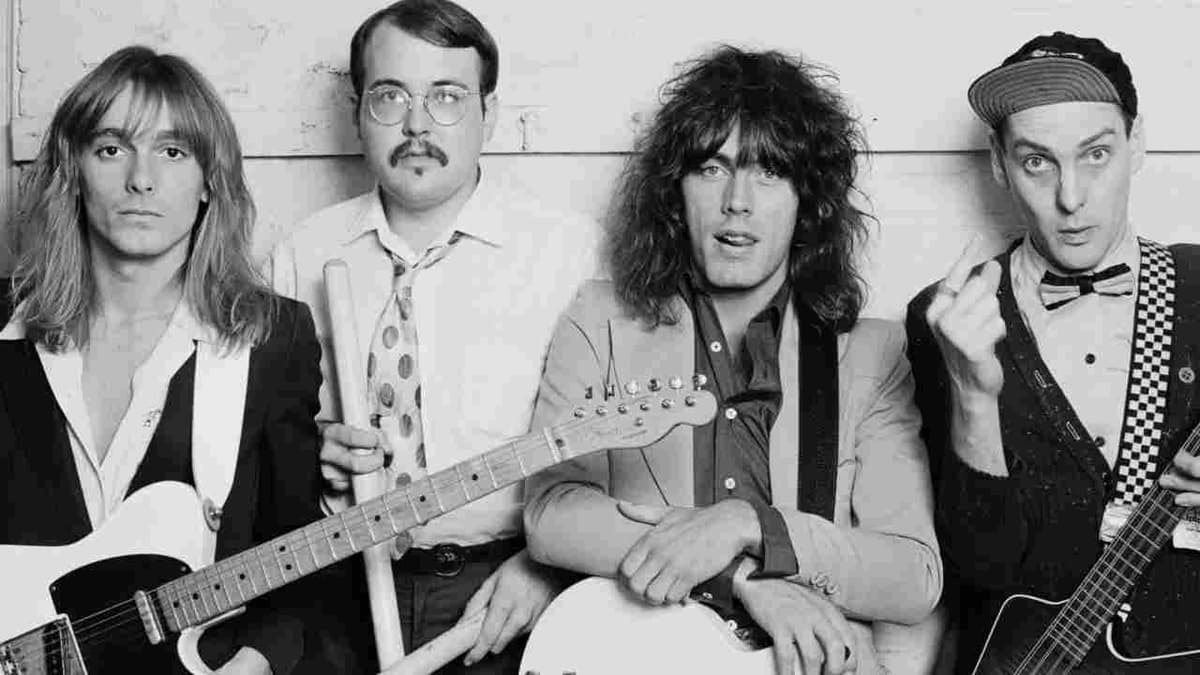
“You Hear Voices in Your Head or Somebody’s Messing with Your Brain. Somebody, Your Mind’s Eye, Has some Talking to Do to You”: The Power-Pop Classic that Finally Turned Four Chicago Misfits Into 70s Rock Superstars
Why It Matters
*Dream Police* demonstrated how power‑pop could evolve with sophisticated arrangements, influencing later rock acts and proving that commercial timing can amplify an album’s impact. Its legacy underscores Cheap Trick’s role in shaping modern melodic rock.
Key Takeaways
- •Dream Police peaked at No. 6 on the US Billboard 200.
- •Orchestral strings were added, marking Cheap Trick’s first symphonic experiment.
- •Rolling Stone dismissed the album as “sour, jaundiced and self‑important.”
- •The title track “Voices” introduced a chorus‑first songwriting approach.
- •After Dream Police, bassist Tom Petersson left, prompting legal and lineup turmoil.
Pulse Analysis
When Cheap Trick rode the wave of *At Budokan*’s unprecedented success, they made a strategic decision to hold back *Dream Police*, a move that paid off handsomely. Recorded in 1978 but shelved until 1979, the album arrived at a moment when American audiences were hungry for high‑energy, melody‑driven rock. Its debut at No. 6 on the Billboard 200 reflected not only the band’s growing fanbase but also the effectiveness of timing releases around a blockbuster live record. This approach highlighted a savvy understanding of market dynamics that many contemporaries lacked.
Musically, *Dream Police* marked a bold departure for the quartet. Guitarist Rick Nielsen pushed beyond the classic power‑pop formula by incorporating a full orchestra, a first for the group, adding lush strings that elevated tracks like the title song. The band also experimented with song structure, leading with choruses rather than building toward them, a technique evident in “Voices.” While Rolling Stone’s initial review branded the effort “sour, jaundiced and self‑important,” later critics have praised its inventive arrangements and enduring hooks, recognizing the album as a bridge between raw 70s rock and the more polished sounds of the early 80s.
The album’s influence reverberates through today’s power‑pop and alternative scenes. Bands cite *Dream Police* as proof that pop sensibility can coexist with orchestral grandeur without sacrificing edge. Moreover, the record’s commercial triumph gave Cheap Trick leverage during a turbulent period marked by bassist Tom Petersson’s temporary exit and legal disputes with their label. Even as the group navigated these challenges, the legacy of *Dream Police* endured, cementing their place as architects of melodic rock and inspiring a new generation of artists who blend catchy riffs with sophisticated production.
“You hear voices in your head or somebody’s messing with your brain. Somebody, your mind’s eye, has some talking to do to you”: The power-pop classic that finally turned four Chicago misfits into 70s rock superstars
Comments
Want to join the conversation?
Loading comments...