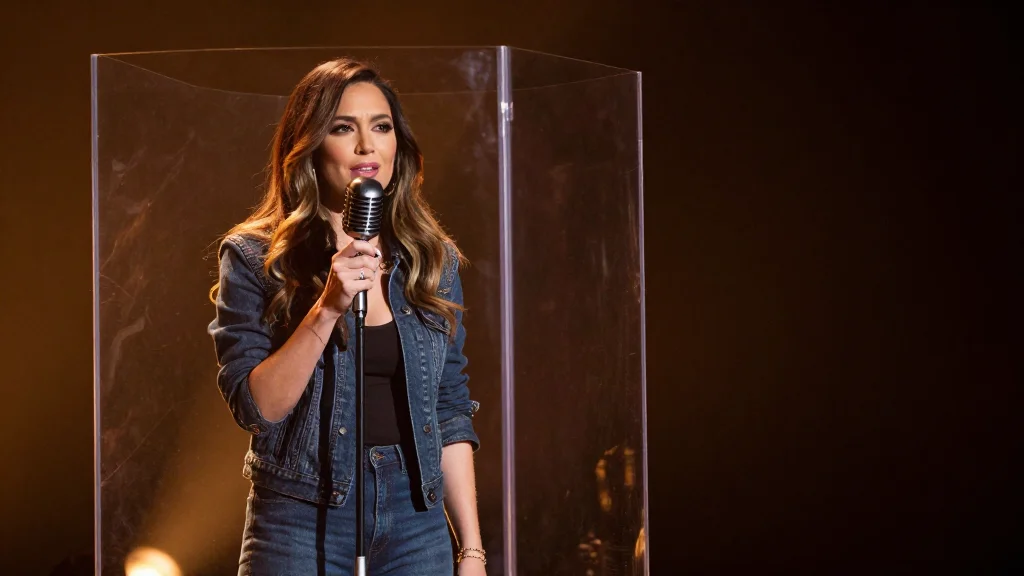
Zara Larsson Blasts Sexist Chappell Roan Critics: ‘You Guys Just Hate Women’
Companies Mentioned

Crypto.com
Why It Matters
The clash spotlights how female musicians are penalized for asserting boundaries, influencing public perception and industry practices. It underscores the need for stronger allyship and equitable treatment in entertainment.
Key Takeaways
- •Zara Larsson calls criticism of Chappell Roan sexist.
- •Roan faced backlash for setting personal boundaries.
- •Misunderstood security guard incident escalated media scrutiny.
- •Larsson says she thrives on attention, promotes female solidarity.
- •Issue underscores gender double standards in entertainment.
Pulse Analysis
The conversation around gender bias in popular music has intensified as high‑profile artists use their platforms to call out inequities. Zara Larsson’s outspoken defense of Chappell Roan adds a notable voice to a growing chorus demanding that women be judged on talent rather than gendered expectations. By framing the backlash as misogyny, Larsson taps into broader cultural debates about how female performers are scrutinized for behavior that would be celebrated in male counterparts, reinforcing the urgency for industry stakeholders to reassess their narratives.
Chappell Roan’s experience illustrates the precarious balance artists must strike between personal safety and public persona. Her decision to delineate work and personal time, coupled with a misreported security‑guard encounter, ignited a media firestorm that amplified sexist commentary. Such incidents reveal how social‑media amplification can distort facts, turning a private misunderstanding into a public controversy that disproportionately harms women. The episode also underscores the role of fan entitlement, where audiences often feel entitled to breach boundaries, expecting constant accessibility from female performers.
For the music business, these dynamics signal a shift toward heightened accountability and the potential for policy changes around artist protection and public relations. As allies like Larsson vocalize support, record labels and event organizers may invest more in gender‑sensitivity training and transparent security protocols. Moreover, the dialogue encourages emerging artists to assert boundaries without fear of career repercussions, fostering a more inclusive environment that values respect over sensationalism. Continued advocacy could reshape fan culture, prompting a more equitable landscape for all musicians.
Zara Larsson Blasts Sexist Chappell Roan Critics: ‘You Guys Just Hate Women’
Comments
Want to join the conversation?
Loading comments...