Watch This NYT "Music Critic" Embarrass Himself...AGAIN
Why It Matters
The backlash reveals how elite, non‑musical editorial panels can alienate audiences and undermine the legitimacy of cultural rankings, urging media outlets to broaden expertise and representation.
Key Takeaways
- •NYT songwriters list compiled by Ivy‑League critics lacking music degrees.
- •Critics defended narrow “heroic singer‑songwriter” definition, excluding many genres.
- •Panel’s rationale sparked backlash, with 6,000 comments questioning omissions.
- •Critics’ academic backgrounds emphasized literature over practical music expertise.
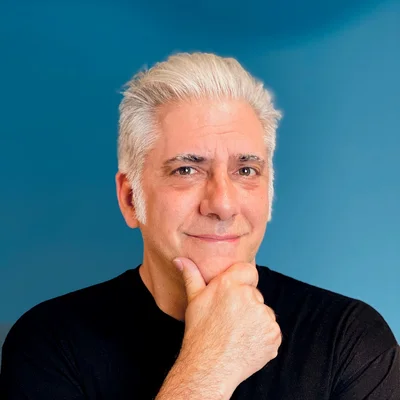
- •Video creator contrasts critics with his own conservatory training, calling list absurd.
Summary
The New York Times recently released a list of the 30 greatest living American songwriters, compiled by a panel of five critics and an editor. The video dissects the panel’s composition—Harvard, Yale, Princeton alumni with degrees in English, American studies, film, and journalism—none of which are music‑focused, raising questions about their authority to rank songcraft. The critics defended a narrow, romanticized view of songwriting as the work of a solitary, often white, guitar‑wielding troubadour, while dismissing broader genres and collaborative practices. Their selections, which included Lionel Richie, Young Thug, Bad Bunny and others, omitted many fan‑favorite names, prompting roughly 6,000 online comments demanding explanations for the exclusions. John Carmonica’s description of the “heroic white man with a guitar” and his justification for leaving Billy Joel off the list illustrate the panel’s ideological bias. The video creator, a master’s‑trained jazz musician from the New England Conservatory, contrasts his practical training with the critics’ literary backgrounds, calling the list “ridiculous.” The episode highlights a credibility gap in mainstream cultural criticism: when editorial panels lack subject‑matter expertise, their judgments can appear out‑of‑touch, potentially eroding trust in legacy media’s cultural authority.
Comments
Want to join the conversation?
Loading comments...