Key Takeaways
- •Advisors urged to visit neighborhoods, not stay behind desks.
- •Small grants ($5k‑$10k) can fix critical community needs.
- •Effective groups show activity, local respect, and leader residency.
- •Look for dignity language, resource stewardship, and low‑pressure pitches.
- •Mapping grassroots networks adds value for high‑net‑worth clients.
Pulse Analysis
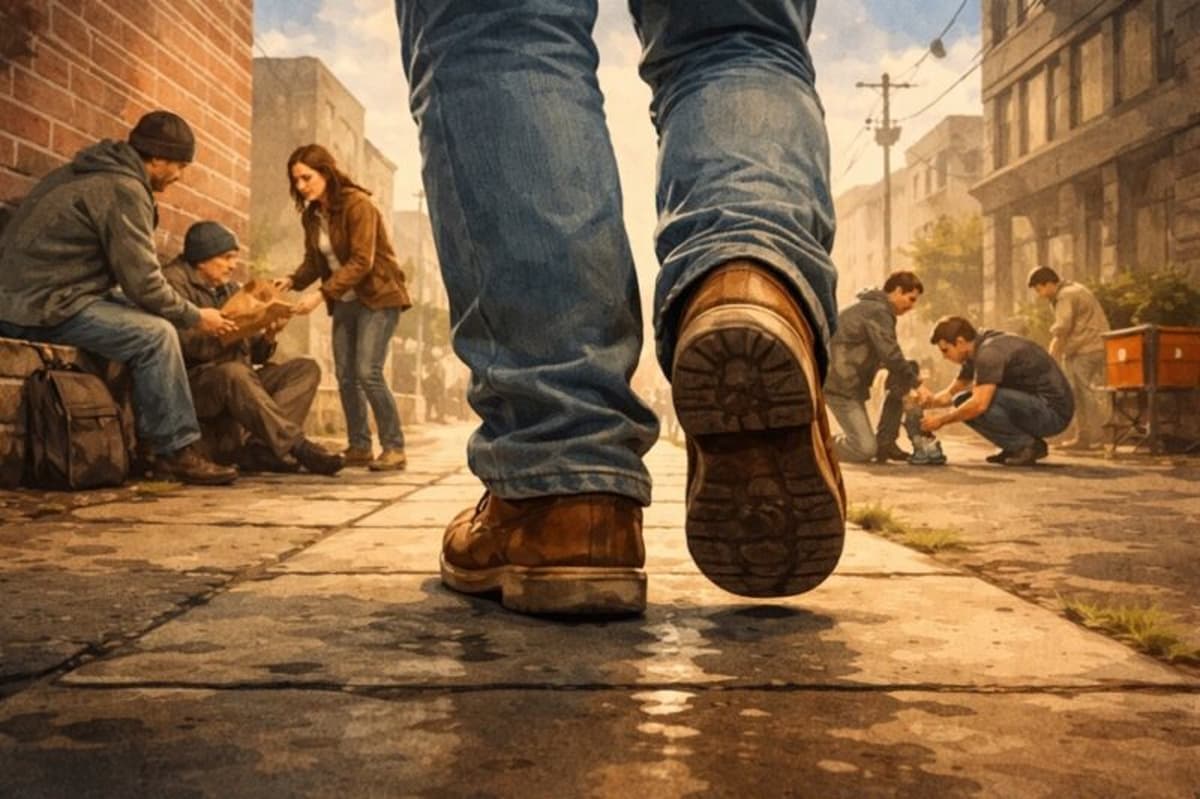
Grassroots philanthropy is gaining traction as donors recognize that modest, well‑placed gifts can outperform multi‑million‑dollar programs that lack local insight. Schambra’s call to “walk around” reflects a broader industry shift toward experiential due diligence, where advisors assess impact by observing daily operations, community trust, and the lived experience of leaders. This hands‑on approach uncovers hidden efficiencies—such as repurposed materials and volunteer‑driven management—that traditional financial audits miss, allowing advisors to recommend grants that directly address urgent needs like boiler repairs or startup incubators.
For wealth‑management firms, integrating walking‑around philanthropy into client services creates a differentiated value proposition. By mapping neighborhood networks and vetting groups through on‑site visits, advisors can present clients with concrete stories of transformation, reinforcing the emotional payoff of giving. The criteria Schambra outlines—visible activity, local respect, leaders residing in the area, dignified language, and low‑pressure funding requests—serve as a practical checklist that translates qualitative observations into actionable investment theses. This methodology also mitigates reputational risk, as donors can verify that funds are stewarded responsibly and aligned with community values.
Looking ahead, the rise of technology‑enabled community platforms may amplify the reach of walking‑around philanthropy, allowing advisors to crowdsource real‑time data on grassroots initiatives while still emphasizing personal immersion. As the philanthropic landscape evolves, the blend of digital intelligence and physical presence will likely become the gold standard for impact‑driven giving, ensuring that even small grants generate lasting, measurable change in America’s most underserved neighborhoods.
Walking-around philanthropy
Comments
Want to join the conversation?