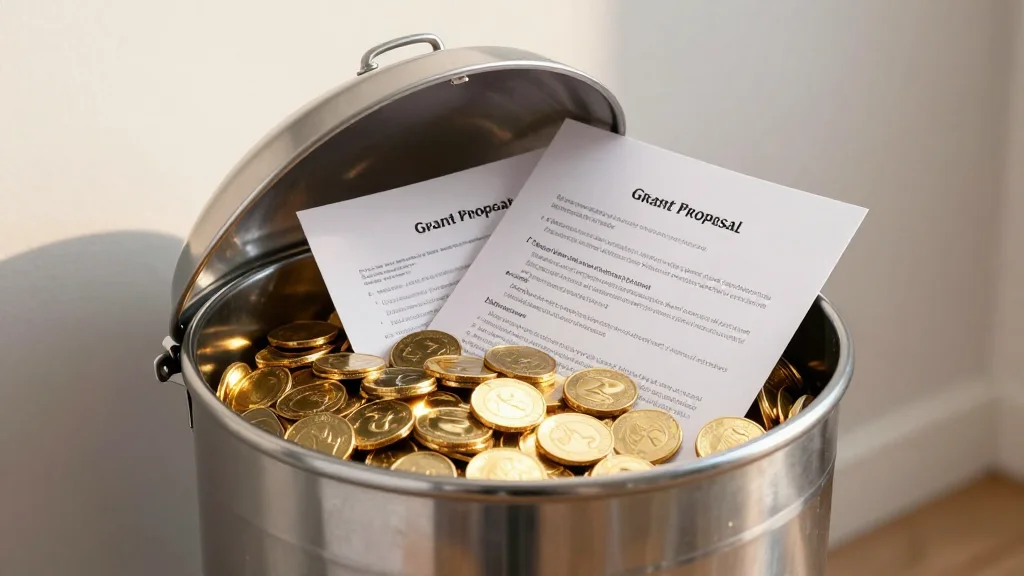
What Trash Day Taught Me About Foundations Fundraising
Key Takeaways
- •Early planning reduces deadline surprises and streamlines grant applications
- •Keep a running list of impact stories for compelling proposals
- •Research each foundation’s recent grants to align your pitch
- •Build relationships before asking for money to ease communication
- •Maintain a ready‑to‑use foundations toolkit with core documents
Pulse Analysis
Foundation fundraising often feels like an obstacle course, where tight deadlines, character limits, and complex portals can stall even seasoned nonprofits. Understanding that these hurdles are intentional filters helps fundraisers reframe them as signals of a foundation’s desire for capable, detail‑oriented partners. By approaching each grant as a test of operational maturity, organizations can position themselves as low‑risk, high‑impact collaborators, increasing the likelihood of securing multi‑year commitments that stabilize budgets and enable program expansion.
The seven tips outlined in the article translate into a systematic framework. Early planning ensures all required documents—IRS determination letters, budgets, and impact metrics—are assembled well before the portal opens, preventing last‑minute scrambles. Maintaining a curated list of recent successes provides concrete evidence of impact, while deep research into a foundation’s recent grantmaking aligns proposals with proven priorities. Relationship building, whether through attending information sessions or sharing updates without a funding ask, creates goodwill that can smooth procedural roadblocks. A centralized toolkit and cross‑departmental collaboration further accelerate response times and improve proposal quality.
When nonprofits internalize this disciplined approach, the grant application process shifts from a reactive chore to a proactive growth engine. Consistently delivering polished, data‑rich proposals not only boosts success rates but also signals to funders that the organization can responsibly steward larger sums. Over time, this reputation can attract higher‑value grants, diversify the funding mix, and reduce reliance on volatile individual donations. Ultimately, treating each foundation interaction as a partnership opportunity equips nonprofits to navigate the complex philanthropic landscape with confidence and agility.
What Trash Day Taught Me About Foundations Fundraising
Comments
Want to join the conversation?