Bestseller Pledges $3m to Support Regen Agriculture in South Africa
Companies Mentioned
Why It Matters
The investment links fashion industry supply‑chain resilience to biodiversity restoration, reducing climate risk for both local livelihoods and global raw‑material availability. It demonstrates how major brands can drive large‑scale regenerative agriculture in emerging markets.
Key Takeaways
- •Bestseller pledges $3 million to Regenerative Fund for Nature
- •Funding targets grassland restoration and soil resilience in Eastern Cape
- •Initiative partners pastors, farmers, Conservation International, and local communities
- •Supports sustainable raw material supply chain for textile industry
Pulse Analysis
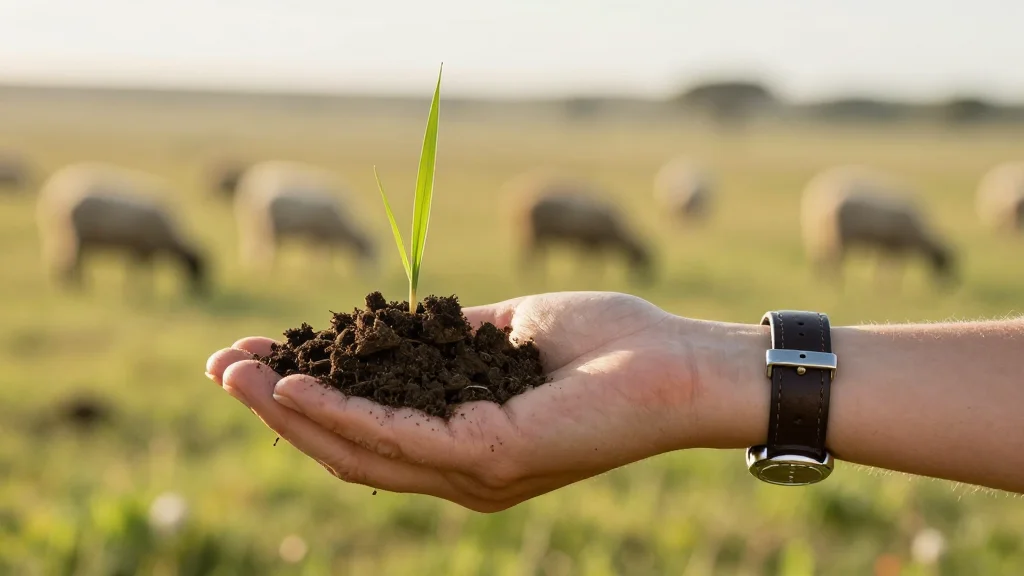
Regenerative agriculture is emerging as a strategic lever for fashion companies seeking to future‑proof their raw‑material pipelines. By channeling $3 million into the Regenerative Fund for Nature, Bestseller is aligning its sustainability agenda with tangible on‑the‑ground outcomes in South Africa’s Eastern Cape, a region critical for biodiversity and water security. Restoring degraded grasslands not only sequesters carbon but also stabilizes soils, directly addressing erosion and climate‑induced yield volatility that can ripple through global textile supply chains.
The partnership model—bringing together pastors, local farmers, Conservation International, and the fund—exemplifies a collaborative approach that blends traditional knowledge with scientific expertise. Reviving indigenous grazing methods helps maintain ecosystem balance while improving animal welfare, creating a virtuous cycle where healthier pastures support both community livelihoods and the raw materials needed for fabrics such as cotton and wool. This localized focus also generates measurable social benefits, from increased income for shepherds to enhanced food security, reinforcing the business case for nature‑positive investments.
Bestseller’s contribution fits within its broader Fashion FWD initiative, which aims to embed biodiversity considerations across the entire value chain. As consumers and regulators demand greater transparency, such initiatives signal a shift from incremental sustainability tweaks to systemic, regenerative solutions. By investing in ecosystem restoration, the company not only mitigates supply‑chain risks but also positions itself as a leader in the emerging market of climate‑smart fashion, where brand reputation and financial performance increasingly converge.
Bestseller pledges $3m to support regen agriculture in South Africa
Comments
Want to join the conversation?
Loading comments...